
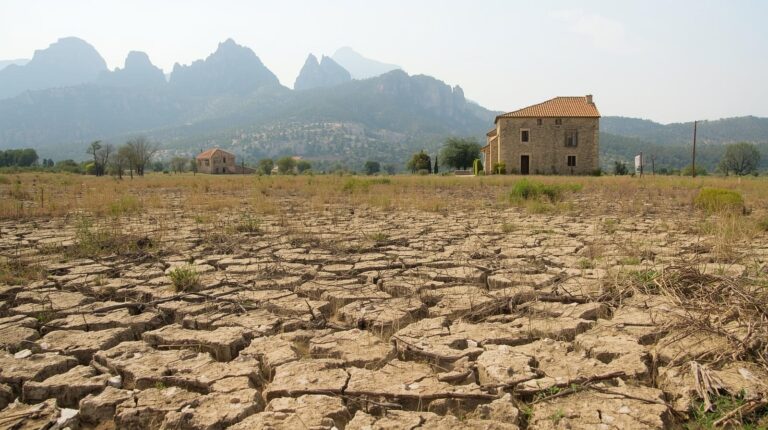
Strategies to Tackle Drought in Catalonia: Innovation and Digitalisation in Agricultural Water Management
Drought is a recurring phenomenon that affects Catalonia, altering the water cycle and conditioning both natural and human uses. The severity of drought depends not only on its duration and intensity but also on the vulnerability of the affected systems, particularly the agricultural sector, which is one of the main water consumers in the region.
Water Administration and Legal Framework in Catalonia
Water management is mainly carried out by the Catalan Water Agency (ACA), responsible for planning and ensuring the availability and quality of water resources, especially during drought episodes. Catalonia is divided into two major basins: internal ones, fully managed by the ACA, and inter-community ones, shared with state entities such as the Ebro River Basin Authority.
The legal framework consists of the European Water Framework Directive and the Consolidated Spanish Water Law, which regulate water use rights and establish administrative procedures for authorisations and concessions.
Drought Plan and Management Units
The Special Drought Plan (PES) for Catalonia’s internal basins defines several scenarios (normality, pre-alert, alert, exceptional, and emergency) and sets progressive measures to ensure human water supply, preserve ecosystems, and manage agricultural irrigation.
The territory is divided into 18 management units with different sources and characteristics of water resources: regulated by reservoirs, unregulated with piezometric monitoring, or based on accumulated rainfall indices. Specific drought indicators are calculated for each unit to determine the alert level and corresponding actions.
Agronomic Strategies for Efficient Water Use
Among the main measures to mitigate drought is the promotion of more efficient irrigation systems, such as drip and sprinkler irrigation, adjusting irrigation schedules to the actual needs of crops at different growth stages. These techniques minimise losses through evaporation and runoff, optimise water consumption, and integrate fertilisation to enhance productivity.
Complementary agronomic strategies and proper maintenance of irrigation infrastructures further support efficiency and sustainability.
Digital and Technological Strategies
The document emphasises the crucial role of digitalisation in water management, including the use of soil moisture sensors, remote sensing and crop modelling, digital meters for irrigation control, and digital platforms that allow irrigator communities to declare and validate crop data.
These digital tools facilitate accurate water allocation, improve real-time decision-making, and enable more efficient management during drought events.
Water Saving Plans and Flexible Restrictions
The PES allows farmers to submit a Water Saving Plan (PEA) demonstrating flexible consumption reduction, avoiding uniform restrictions that could harm production. PEAs consider investments in advanced technologies, use of meters, alternative water sources, and internal drought management protocols, encouraging better technical and organisational preparedness to face water scarcity.
Participation and Public Information
The Reservoir Release Commissions, involving authorities, users, and technical experts, play a key role in coordinating and deciding on the volumes of water to be distributed, ensuring urban and agricultural supply while protecting the environment.
To guarantee transparency and public access to information, a Drought Viewer has been developed to provide updated data on alert levels, reservoir status, and implemented measures for each unit or municipality.
In summary, Catalonia is moving towards an integrated, digital, and collaborative model of agricultural water management, combining technological innovation, agronomic strategies, and flexible regulatory frameworks to ensure sustainability under drought conditions. The document prepared by project partner IRTA and its collaborators in the Smart Green Water project serves as a key reference to understand and implement these solutions across the territory.
For more details, the full document is available in Spanish: SGW – Estrategias sequía Catalunya.