
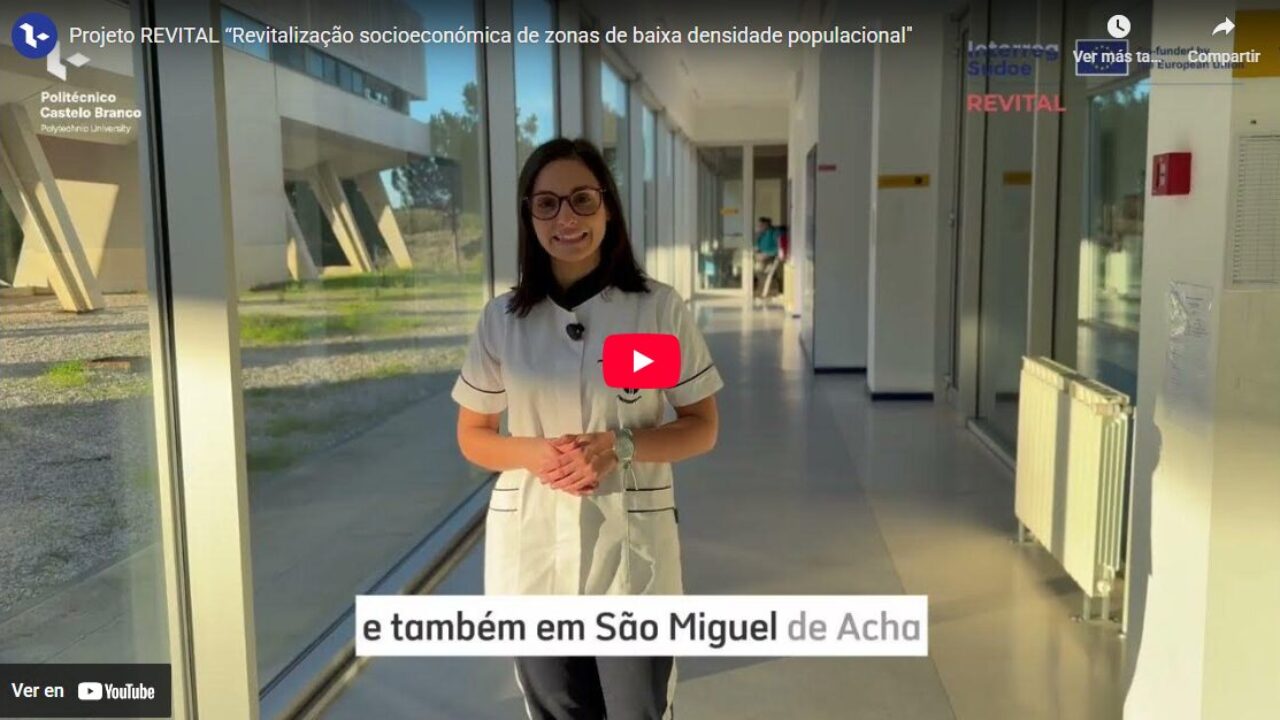
The Castelo Branco Polytechnic Institute (IPCB), the entity responsible for piloting the REVITAL project in the Beira Baixa region of Portugal, has released an exciting and revealing video highlighting the progress of this innovative initiative in the country. The project aims to transform rehabilitation processes in rural areas through the use of advanced technology and a more personalized, human, and connected approach.
The REVITAL project has an international consortium made up of entities from Spain, France, and Portugal: the Innovative Solutions for Independent Living Cluster (SIVI), the Social Services Management of Castile and León, the San Cebrián Foundation, GOGOA Mobility Robots, the École Supérieure des Technologies Industrielles Avancées (ESTIA), the University of Deusto, the Garazi Public Health Establishment, the Beira Baixa Business Association (AEBB), and the Polytechnic Institute of Castelo Branco (IPCB), which together form the complete consortium.
The IPCB pilot program began with exoskeleton testing at the ESALD-IPCB Pedagogical Clinic
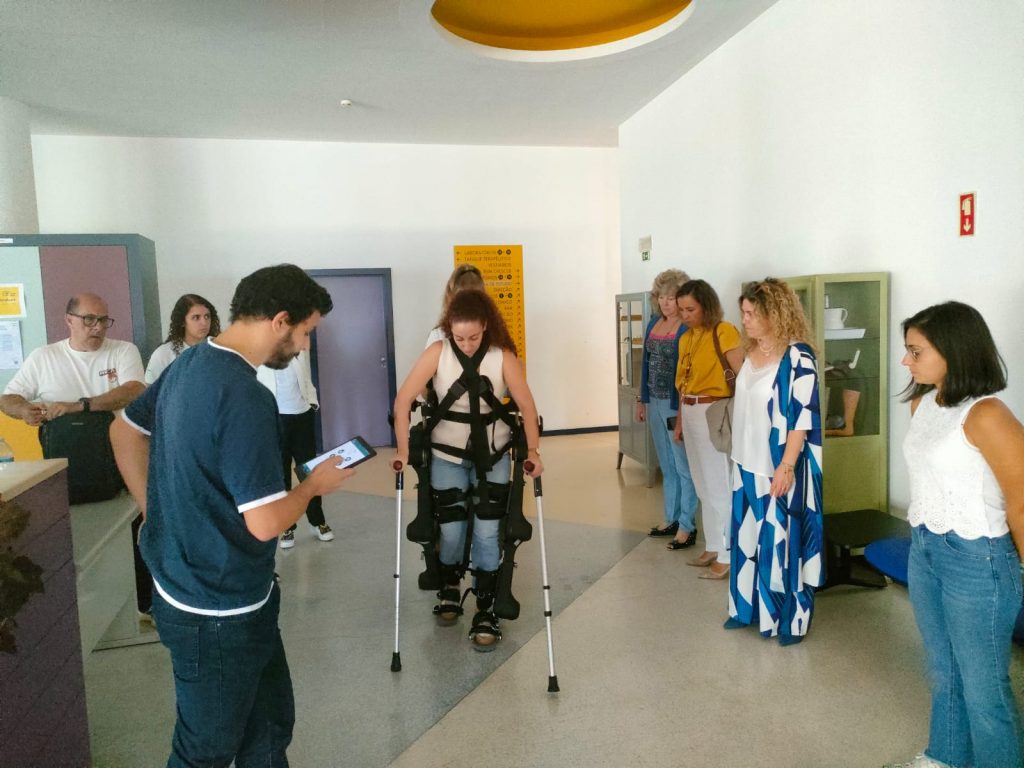
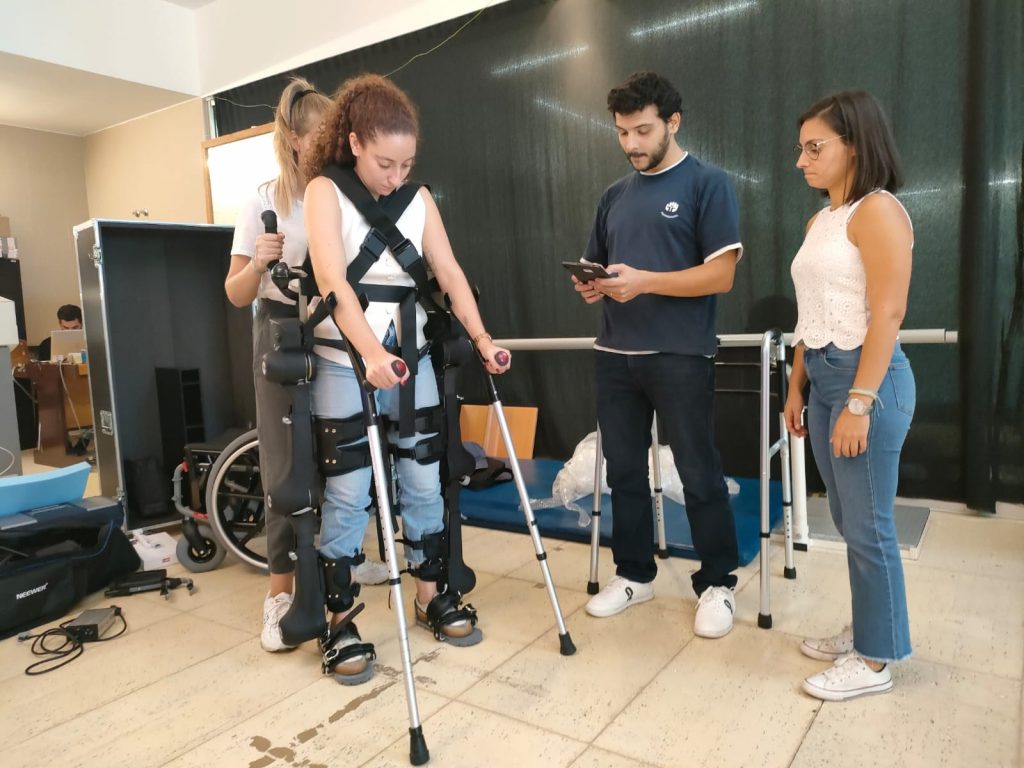
The IPCB pilot program began on October 8, 2025, with a testing session of the HANK and BELK exoskeletons, technologies that can significantly improve the autonomy of people with reduced mobility. This session was held at the Dr. Lopes Dias Higher School of Health at IPCB. This demonstration was conducted in collaboration with GOGOA Mobility Robots, whose professionals trained IPCB technicians in the use of these technological tools.
Within the ESALD-IPCB framework, the project aims to address the need for specialized care in sparsely populated areas such as Beira Baixa, using innovative technological tools including exoskeletons, gamification, technology-assisted therapy, and telerehabilitation. In a later phase, the feasibility of these technologies being used by new healthcare providers will be analyzed, facilitating access for the most isolated populations and expanding access in regions where services are limited.
Following this initial session, the pilot phase with users began, led by the team of researchers and physiotherapists from IPCB. This pilot is taking place over the next few months at the ESALD Pedagogical Clinic and in São Miguel d’Acha, within the framework of a protocol established with the local Parish Council. This pilot will evaluate the clinical impact of these technologies throughout 2026.
REVITAL Project
The REVITAL project aims to improve the quality of life of older adults and people with disabilities while simultaneously creating skilled jobs in the health, technology, and community care sectors in rural areas.
REVITAL seeks to combat depopulation, improve access to specialized medical care, and promote new models of telemedicine and telerehabilitation in sparsely populated regions of southwestern Europe (Spain, Portugal, and France). To achieve this, it integrates technologies such as medical exoskeletons (HANK, BELK, HELK), virtual reality systems, and biomechanical analysis, as well as telecare solutions and digital rehabilitation platforms.
The REVITAL project—”Socioeconomic revitalization of sparsely populated areas through clinical telecare”—is part of the Interreg VI-B Sudoe 2021-2027 Program.