
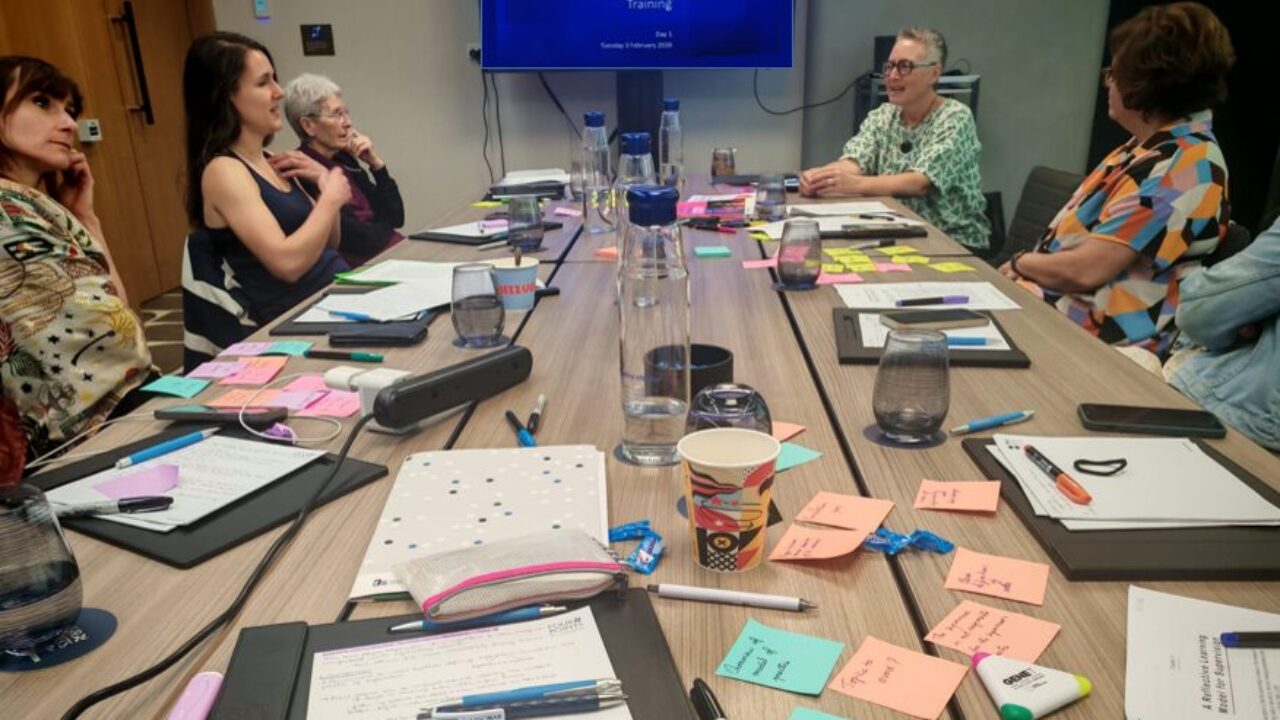
- The MAG-SUDOE project team recently took part in an international training program specializing in supervision and mentoring in genetic counseling—an important step forward in implementing the mentoring model that the project will develop in the SUDOE region.
The training brought together professionals from the consortium with the aim of deepening the theoretical and practical foundations of professional mentoring applied to genetic counseling. Over several days of intensive work, participants explored different mentoring approaches, models of reflective learning, and tools for conducting supervision sessions in complex clinical settings.
The course was led by Alison McEwen, genetic counselor and international expert in professional mentoring, and professor at the University of Technology Sydney. Her expertise introduced the project team to well established mentoring models used in other international contexts.
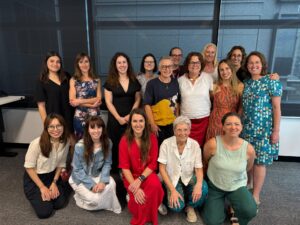
Preparing the implementation of the MAG-SUDOE model
The main objective of the training was to strengthen the consortium’s capacity to implement mentoring programs aimed at clinical genetics professionals. Throughout the sessions, participants addressed key aspects such as the principles of professional supervision, the definition of supervision agreements, the facilitation of individual and group sessions, and the management of challenges that may arise during these processes.
The course methodology combined theoretical content with practical exercises and simulated supervision sessions. Participants had the opportunity to experience the process from different roles—both as supervisors and supervisees—and to analyze real cases related to genetic counseling practice.
This experience has helped align criteria within the consortium and establish a common methodological basis for the development of the project’s mentoring model.
Scientific exchange and international collaboration
The training also included an academic seminar in which researchers and professionals in the field of genetic counseling shared research findings and experiences related to professional supervision, the well being of genetics professionals, and the development of training programs in this area.
Another valuable aspect of the training was the opportunity to directly experience how a supervision session works, both from the role of supervisor and that of supervised professional. This hands on experience made it possible to concretely understand the dynamics and potential of mentoring in genetic counseling, while benefiting from the knowledge and extensive experience of a specialist with a solid track record in this field.
During the event, members of the MAG-SUDOE consortium presented the project’s progress and the studies currently being developed in the SUDOE region, generating a knowledge exchange that contributes to positioning the project within the international clinical genetics landscape.
Direct impact on the project
The knowledge acquired during this training will have a direct application in the upcoming phases of the project. In particular, it will support the design of structured and safe mentoring sessions for genetics professionals, the definition of supervision agreements, and the adaptation of international best practices to the European healthcare context.
With this training, the MAG-SUDOE project continues to move toward its goal of strengthening the well being of professionals working in genetic counseling and improving the quality of care provided to patients and families, promoting a culture of learning, reflection, and support among professionals.