From March 24 to 26, the Institut Agro Montpellier, a recognized institution for teaching and research in agriculture and environmental sciences, hosted the international seminar “Pastoralism: Crossed Perspectives for the Future”, which brought together approximately 200 participants from several countries, mainly from Southern Europe.
The event gathered researchers, technicians, livestock producers and managers, as well as other professionals from the agropastoral sector, providing an important space for exchange and reflection on the main challenges currently facing extensive livestock farming.
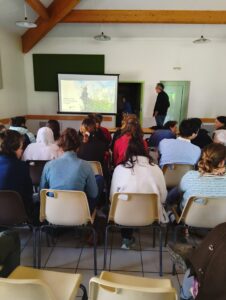
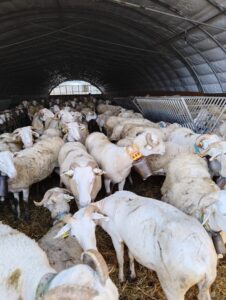
Over the three days, environmental, climatic and socio-economic issues were addressed, with particular focus on topics such as herd organization and mobility, animal welfare, access to natural resources, training and living conditions of shepherds, as well as public policies, communication strategies, innovation, and the economic valorization of pastoral products. In addition to thematic sessions, visits to livestock projects were also organized.
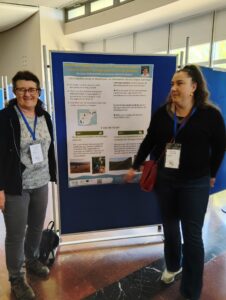
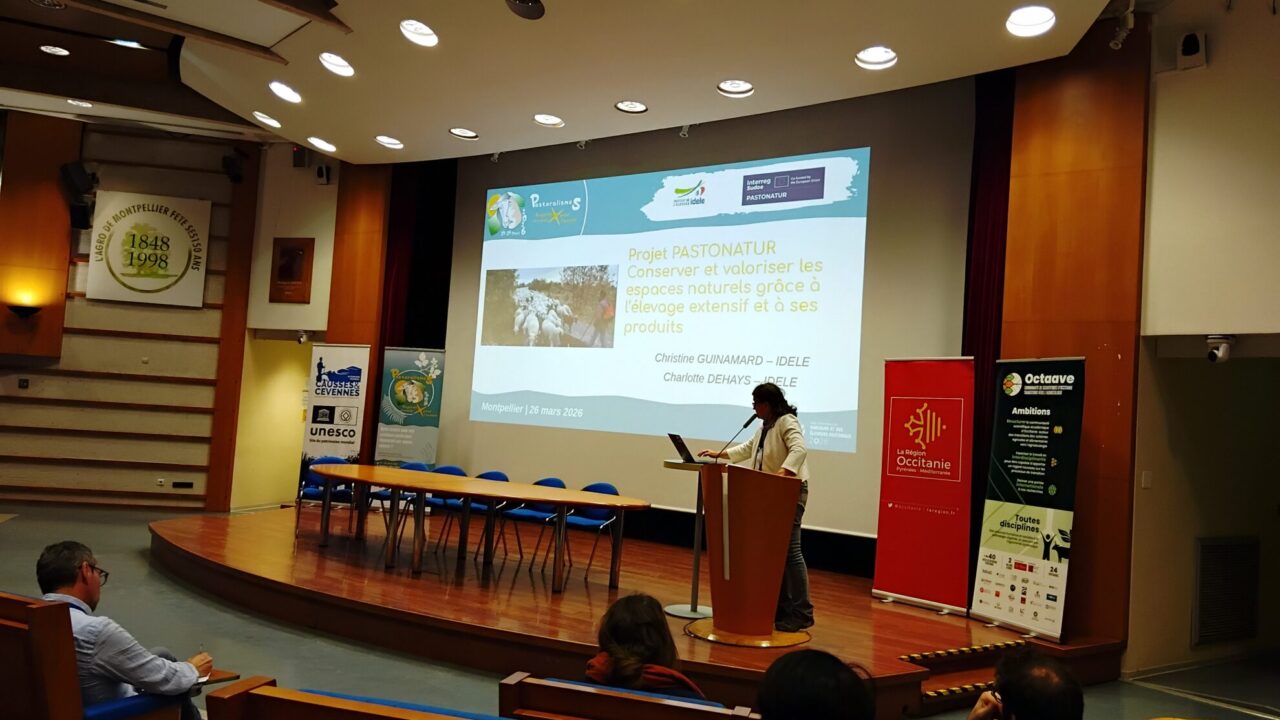
In this context, the objectives and future contributions of PASTONATUR were presented by Christine Guinamard from the Institut de l’Élevage (Idele), the project’s French partner, and were also summarized on a poster consulted by participants during the event.
During her presentation, Christine Guinamard highlighted PASTONATUR’s potential to position extensive livestock farming as a driver for the preservation of protected natural areas in rural zones of the SUDOE region, reconciling sustainability with profitability. To achieve this, the project aims to assess the benefits of extensive livestock farming for biodiversity, climate change mitigation, and the improvement of rural communities’ quality of life.
The PASTONATUR project will culminate in the development of a transnational strategy for southwestern Spain, France, and Portugal, focusing on creating innovative approaches and solutions based on scientific knowledge. Planned actions include the identification and compilation of good management practices, experimentation in pilot areas, economic evaluation of livestock production systems, and differentiated valorization of milk and meat produced under extensive farming systems.
The seminar “Pastoralism: Crossed Perspectives for the Future”, organized by the UMT Mediterranean Pastoralism and the Interdepartmental Agreement of Causses and Cévennes, was part of the celebration of the International Year of Rangelands and Pastoralists (IYRP 2026).