
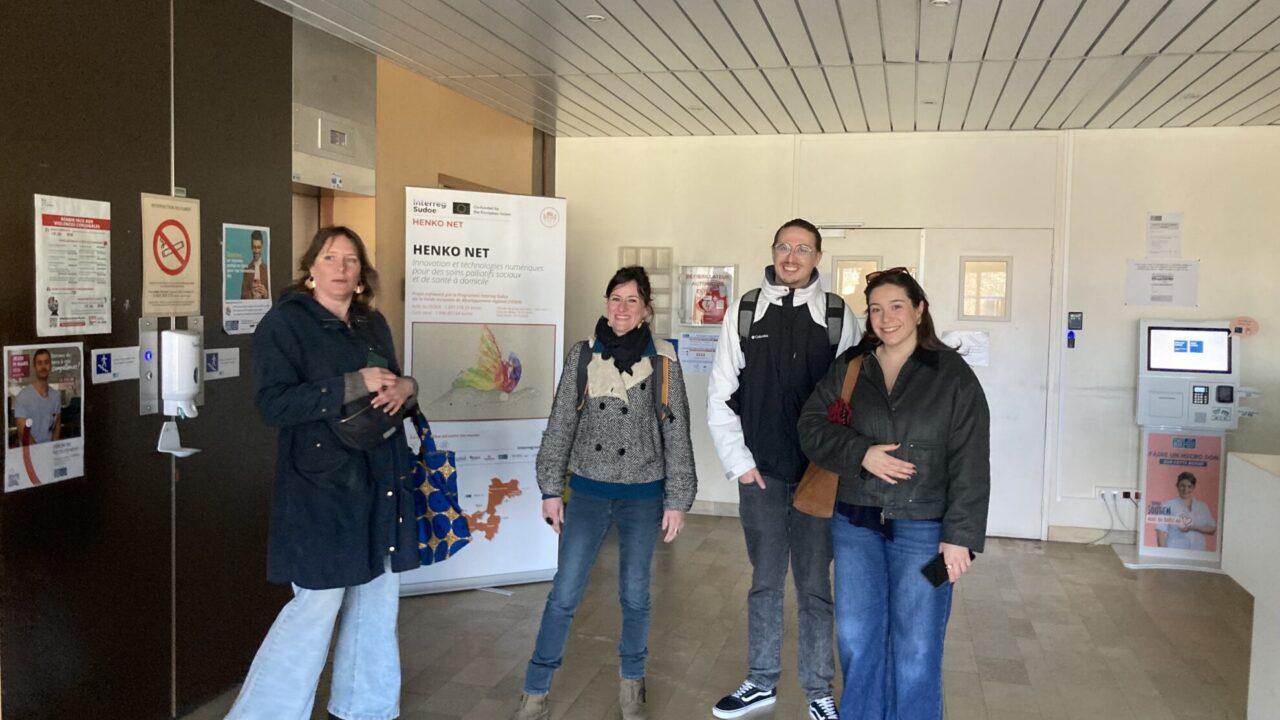
More than one hundred professionals (both onsite and online) from the socio-health sector gathered on March 17 at the University Hospital Center (CHU) of Bordeaux to take part in a specialized workshop aimed at strengthening skills for the early identification of palliative care needs.
The event, jointly organized by CHU Bordeaux and the Gérontopôle Nouvelle-Aquitaine, ran from 9:30 a.m. to 4:30 p.m. and included contributions from experts from France and Spain.
The meeting began with a presentation on three essential tools for detecting palliative needs and their complementarity in social and clinical practice.
Dr. Matthieu Frasca, from the Support and Palliative Medicine Department at CHU Bordeaux, provided an overview of these instruments and their usefulness in patient care.
The session then delved further into the use of the Palliative Performance Scale (PPS), outlining its conceptual framework, indications, and limitations.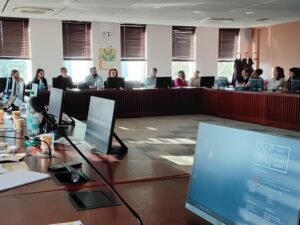
One of the highlights of the morning was the presentation of the Supportive & Palliative Care Indicators Tool (SPICT) and its French version.
The discussion explained how this tool supports the identification of patients with increasing supportive and palliative care needs through a multidimensional approach.
After the lunch break, the event took on an international dimension with a session dedicated to the IDC-PAL tool, widely used in Spain.
This presentation compared its implementation in both countries, examining differences in clinical contexts, identified barriers, and its degree of integration within information systems.
Towards the end of the day, participants took part in a practical case session, allowing them to apply the tools studied to simulated clinical scenarios.
This interactive environment facilitated the exchange of experiences and encouraged reflection on ongoing challenges in the early identification of palliative needs.
Based on the discussions and activities carried out, the following key conclusions were highlighted:
1. Need for early identification of palliative care needs
Participants agreed on the importance of early detection to offer more timely, effective, and appropriate responses.
2. Improving coordination and communication between teams
Strengthening communication channels and coordination among services was emphasized.
3. Promoting continuous, personalized, and humanized care
The international exchange reinforced the importance of centering care on the person and respecting their preferences and values.
4. Value of international cooperation
The presence of professionals from different systems facilitated comparative analysis and opened opportunities for progress toward an AI-based predictive system capable of harmonizing tools and providing a more holistic view of needs in palliative care.