
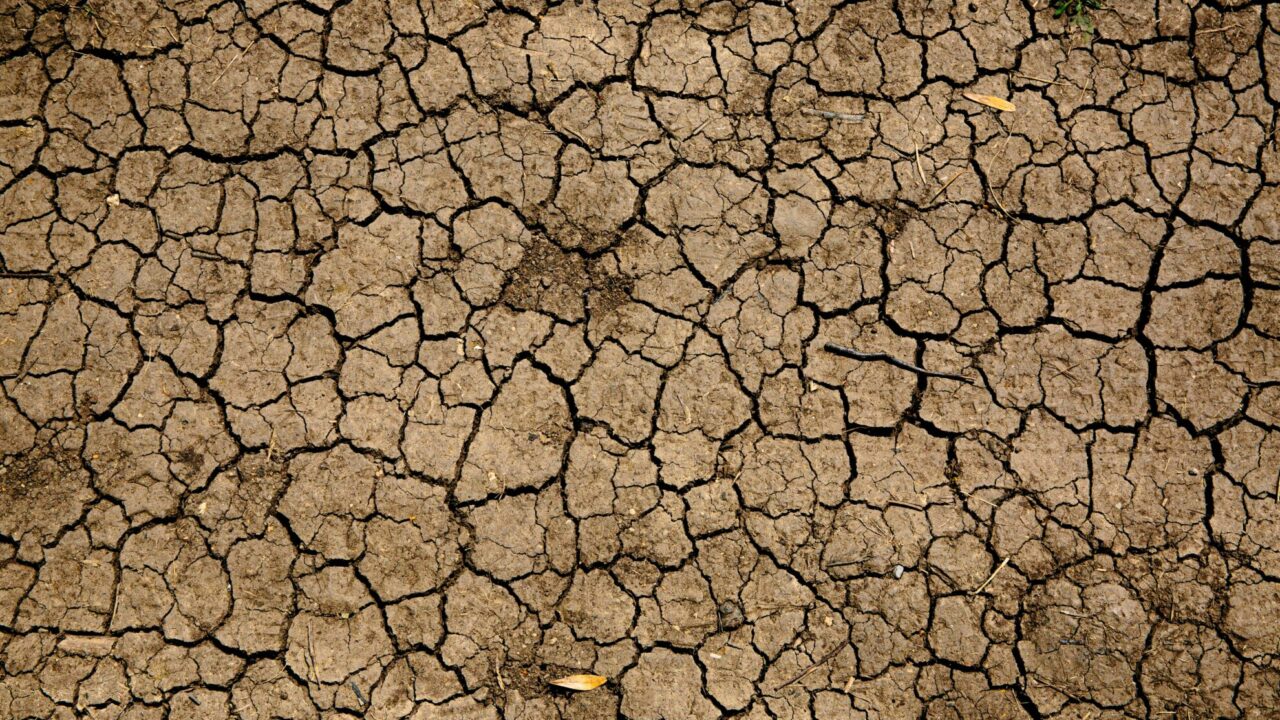
At the heart of the SUDOE area, drought has taken root as a structural risk threatening intensive agriculture. From Catalonia’s irrigated polygons to the vast Alentejo plains, through Andalusia and the French Adour basin, four Smart Green Water project studies map shared vulnerabilities and solutions. This goes beyond diagnosing the rising frequency of extreme water episodes—it’s about charting concrete paths: technological irrigation modernization, collective water management, and collaborative governance to turn scarcity into resilience.
The story begins in Catalonia, where the Catalan Water Agency orchestrates its Special Drought Plan (PES) through 18 management units. Each activates graduated scenarios—pre-alert, alert, exceptional—with specific indicators prioritizing localized irrigation, IoT sensors, remote sensing, and individual farm Water Saving Plans. Thus, restrictions give way to efficiency incentives.
In Andalusia, the narrative focuses on one of Europe’s largest irrigated areas. Here, modernizing collective infrastructure and aligning water and agricultural policies protect high-value woody and horticultural crops against prolonged low flows, betting on digital programming tailored to plants’ real demand.
Alentejo tells its own epic in large perimeters irrigated by shared reservoirs and aquifers. The study emphasizes basin-scale planning, parcel optimization via water efficiency, and diversification of alternative sources—reuse, desalination—to cushion stress on conventional resources. In a territory where irrigation sustains key exports, climate and soil monitoring emerges as an essential ally.
The Adour basin (southwest France) closes the quartet from a unique angle: part of its territory is designated a “Water Distribution Zone” due to structural scarcity. IRRIGADOUR operates here, centralizing a single global water authorization equitably distributed among 2,800 farmers based on availability and needs. During droughts, they apply progressive restrictions—vigilance, alert (-25%), reinforced alert (-50%), total crisis—organizing irrigation turns (“tours d’eau”) and flow controls to stretch resources to the maximum.
The Digital Thread That Binds It All
Digitalization serves as the transversal narrator: public dashboards in Catalonia, predictive models in Andalusia and Alentejo, digital twins and irrigation intention apps in Adour. Moisture sensors, smart meters, and open data platforms enable anticipating peaks, optimizing flows, and engaging stakeholders.
From Parcel to Territory: Agronomic Resilience
On the ground, strategies converge: rotations aligning water needs with availability, soils enriched with organic matter, localized nighttime irrigation, and stress-resistant varieties. Governance evolves toward collaboration, where irrigators and administrations co-design flexible rules over rigid decrees.
Smart Green Water does more than recap past crises—it authors SUDOE’s future: digital, participatory irrigation turning structural drought into a driver of sustainable innovation.