The Intermunicipal Community (CIM) of Tâmega e Sousa, in northern Portugal, is developing an innovative model for sustainable forest biomass management that combines fire prevention, circular economy and energy efficiency. As part of the BIO4RES project, Pilot Action 3 proposes a holistic approach that integrates the collection, drying, shredding and energy recovery of biomass generated in forestry work, with a special focus on the municipality of Baião.
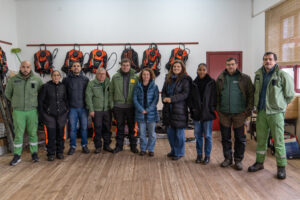
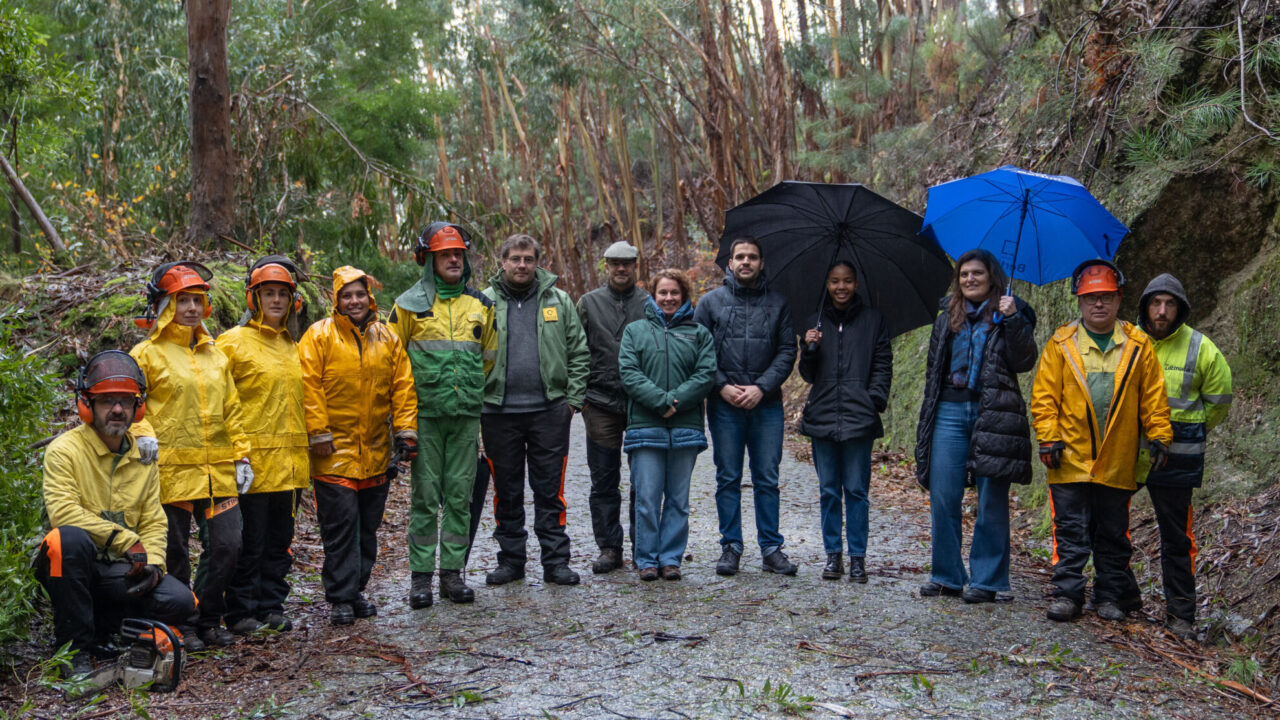
The model is supported by the work of the forest fire brigades, which remove woody material with energy potential as part of their preventive forestry and civil protection work. According to Alexandre Vieira, head of the forestry brigade of the CIM of Tâmega e Sousa, the wood from forestry work is transported to the operational base, where it is stored until the drying process is complete. It is then shredded in a bio-shredder installed on the premises, transforming it into wood chips that are used as fuel in the base’s boiler. This solution ensures the heating of the building and hot water in the changing rooms, optimising resources and reinforcing the energy sustainability of the infrastructure.
The coordinator of the BIO4RES project at the Tâmega e Sousa Municipal Intermunicipal Company (CIM), Maria Manuela Alves, emphasises that the main objective of the initiative is to contribute to reducing the number of fires in the sub-region, currently the area with the highest incidence of rural fires in Portugal. To this end, the project seeks to reduce the amount of fuel accumulated in forest areas through forestry work, while promoting awareness campaigns aimed at the local population on the correct management of green waste, thus reducing the practice of uncontrolled burning, which is often the cause of fires.
For his part, Mário Júlio, also a project coordinator, points out that Pilot Action 3 aims to maximise the natural potential of the forest in Tâmega e Sousa by creating a structured model for the collection and treatment of biomass that involves local agents. This system covers biomass from various sources, such as forest brigades, municipal green waste collection and clean-ups promoted by private property owners.
Key components of the model include the creation of a biomass collection and treatment centre, designed for the storage, drying and shredding of the material, as well as the installation of a micro-power plant for energy recovery at the CIM Forestry Workers’ Base in Gôve, Baião. The commissioning of a micro-boiler will close the cycle, transforming the collected biomass into energy for local use.
The project aims to make this model of biomass management and use a replicable benchmark in other rural micro-scale areas, contributing to more sustainable land management, strengthening the local economy and effectively mitigating the risk of forest fires.