The SocialForest project aims to strengthen the resilience of southern European forests to climate impacts and to enhance the socioeconomic development of rural areas. It does so through various pilot sites in different regions of Spain, France, and Portugal. Research has been developed and is already being applied in the different territories.
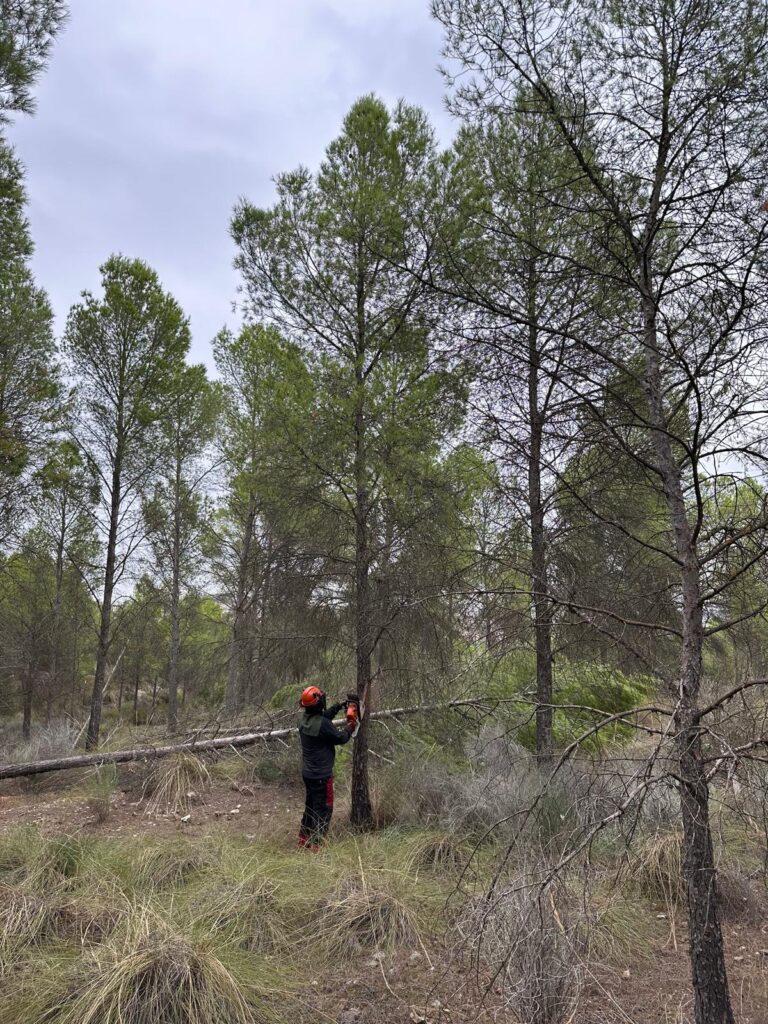
In Murcia, interventions will take place in the Sierra de Burete (Cehegín) and in Moratalla. In Burete, a pine forest within the Natura 2000 Network serves as a “natural laboratory” to study how forest management practices can influence groundwater—an essential resource for the survival of Mediterranean forests. In Moratalla, two burnt plots—one previously managed and one not—will be compared to understand how different forest practices respond to fires.
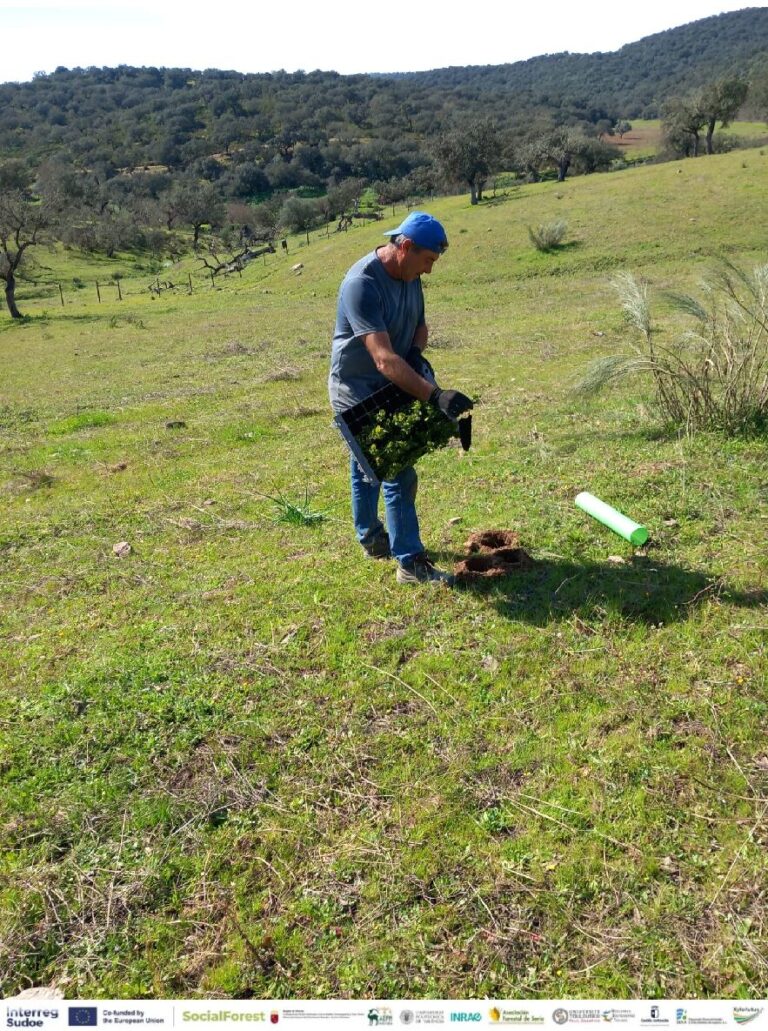
In Toledo, the goal is to strengthen the dehesa ecosystem and the ability of holm oaks and cork oaks to adapt to climate change. The measures aim to reduce fire risk and preserve the biodiversity of this traditional landscape.
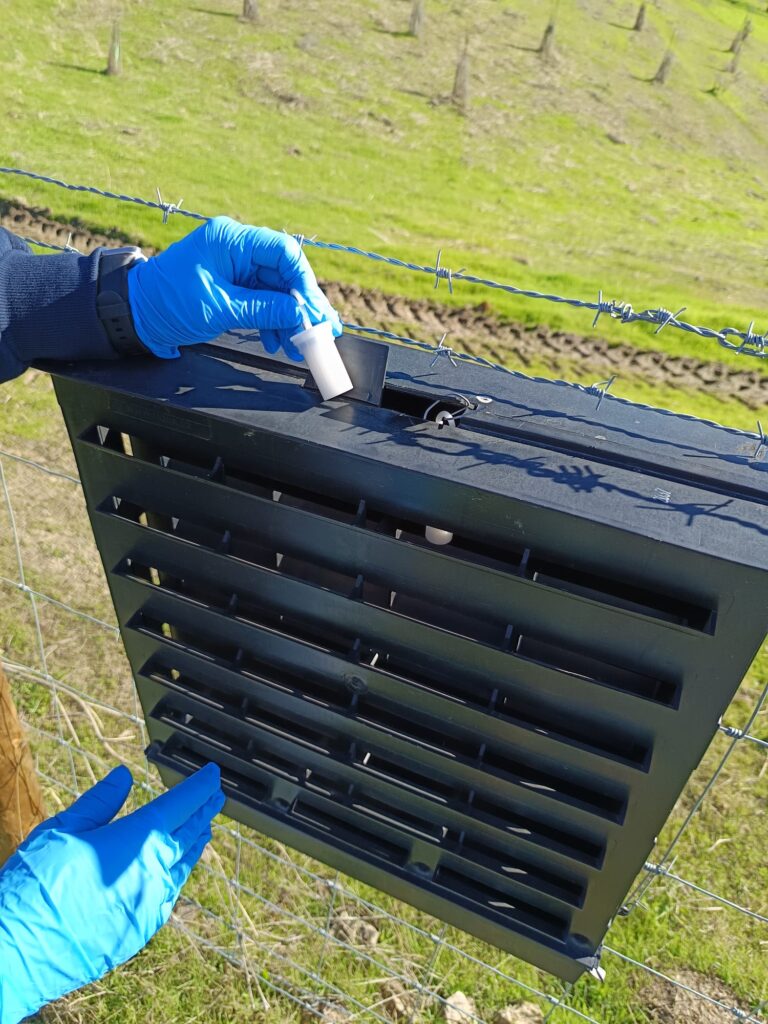
In Soria, the project will promote social innovation to recover abandoned woodlands. With community involvement and new diagnostic techniques, the goal is to reactivate sustainable management and generate new opportunities in rural areas.
In Portugal (Mértola and Barrancos, in the Noudar Nature Park), actions focus on protecting the holm oak ecosystem from global warming by restoring pastures, aromatic plants and tree cover, and by improving forest health.
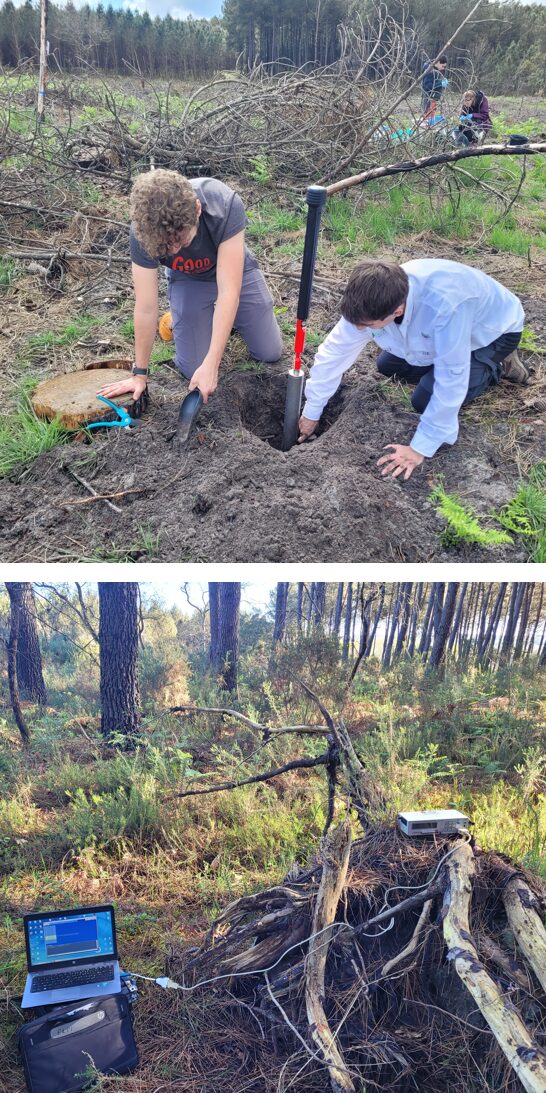
Finally, in Nouvelle-Aquitaine (France), the initiative is being carried out with entities specialized in forest management to address fire risk: from early detection to the regeneration of burnt land using biofertilizers that accelerate the growth of new plants.
Visitas: 76