
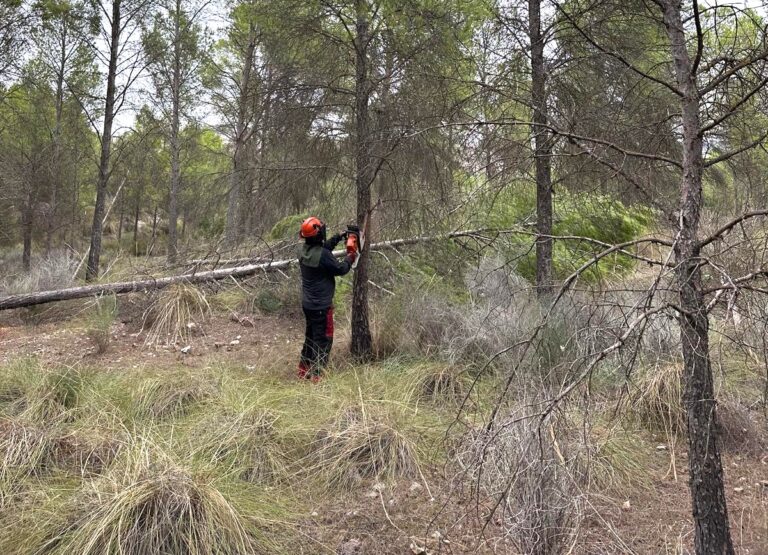
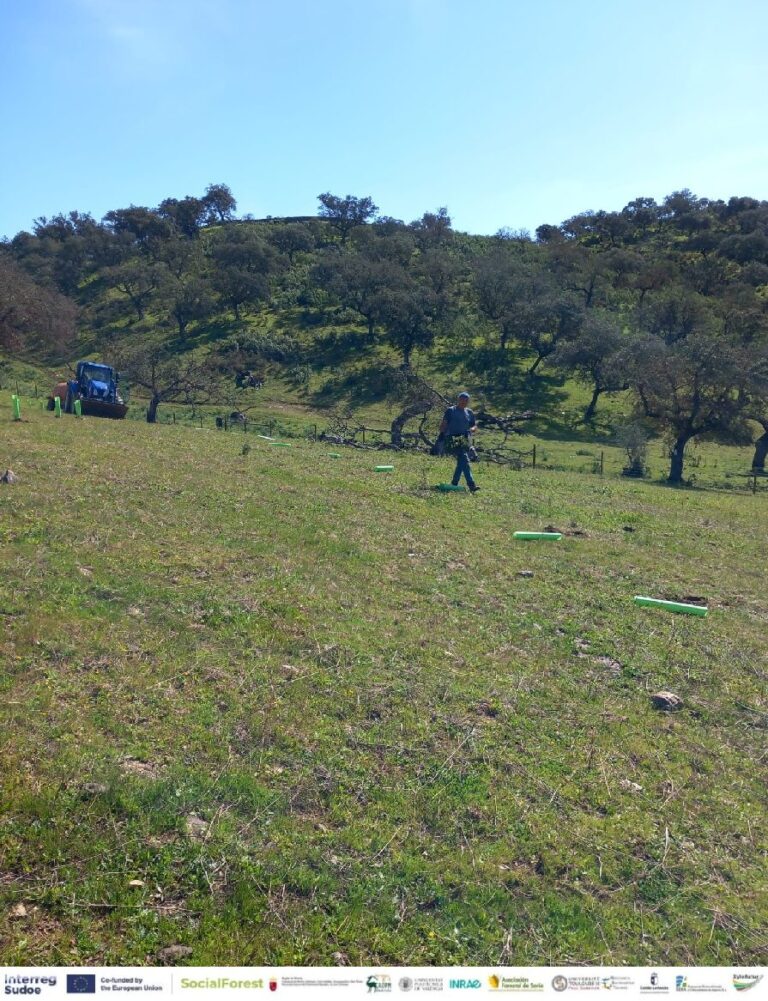
The environmental pressures faced by forest territories in the SUDOE area, although varying across regions, affect all the territories involved in the SocialForest project (Region of Murcia, Castile-La Mancha, Castile and León, Alentejo, Occitania and Nouvelle-Aquitaine). They also have direct impacts on forest management, agroforestry systems and the socio-economic development of rural areas. These vulnerabilities are further exacerbated by structural dynamics such as rural depopulation, the lack of active forest management and the economic and organisational difficulties faced by forest owners and managers.
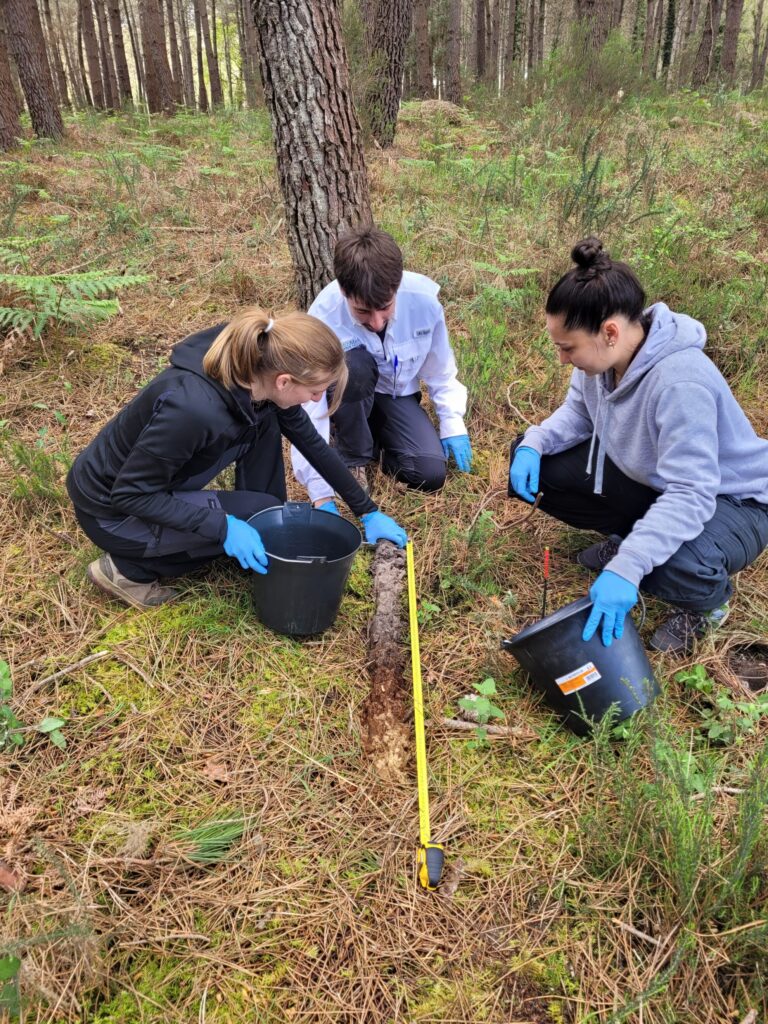
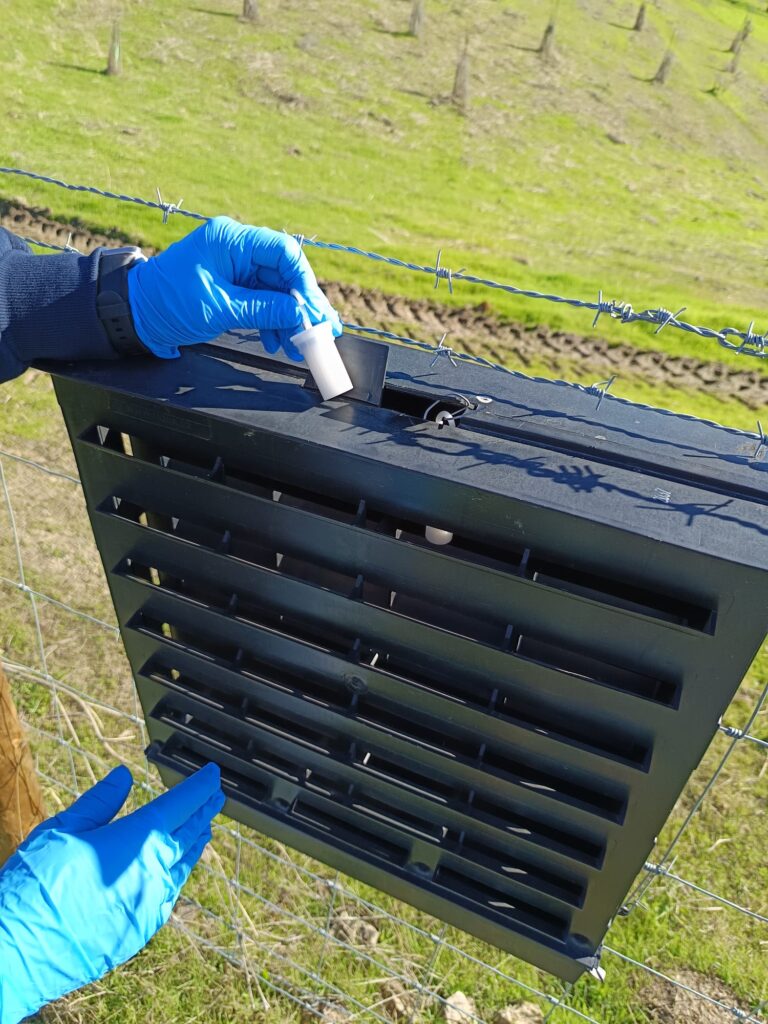
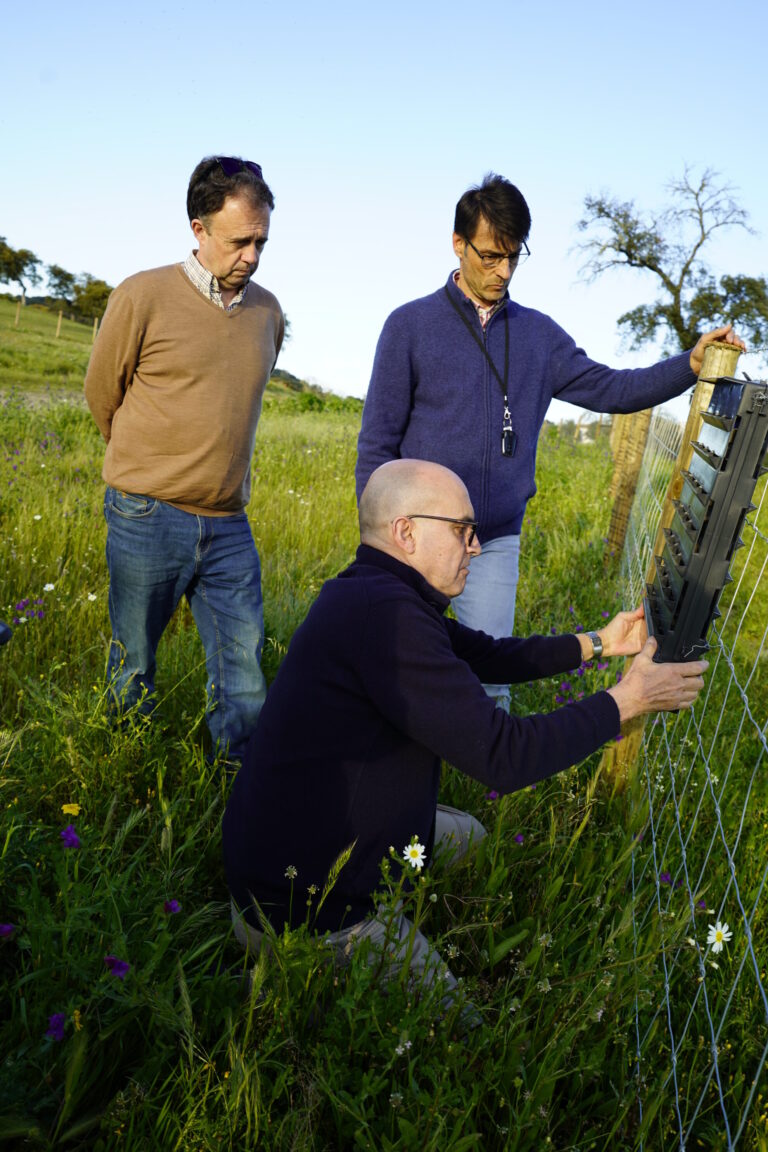
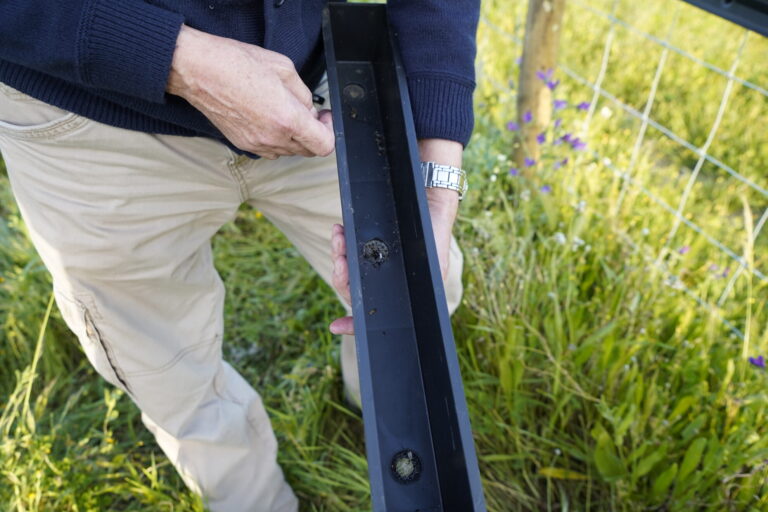
In this context, the SocialForest project aims to strengthen adaptation to climate change in Spain, France and Portugal through the development of a Transnational Forest Strategy that enhances the resilience of forest ecosystems while supporting the socio-economic development of rural territories. This strategy is implemented and tested through seven pilot actions, designed within a framework of transnational cooperation and addressing both biophysical and social risks. The project mobilises innovative methodologies such as remote sensing, decision-support tools for the assessment of forest ecosystem services, reflectometry sensors and specific approaches aimed at reconnecting forest owners with their heritage.
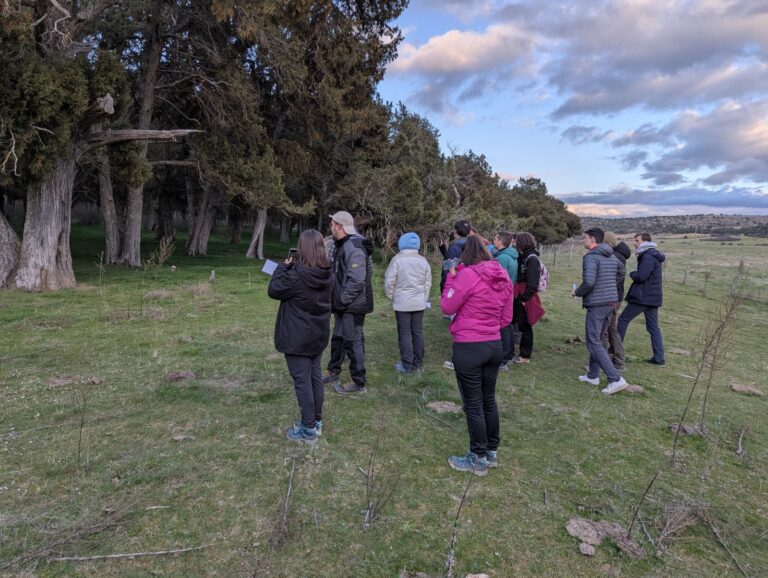
National and transnational co-creation activities constitute a central pillar of the SocialForest approach. They are based on a participatory methodology grounded in the principles of inclusive governance and the quadruple helix model, involving public authorities, the economic sector, academia and civil society. This approach fosters the co-construction of forest strategies tailored to local contexts, technically feasible and socially acceptable. The adaptation strategies developed are structured around three complementary pillars (resilience, resistance and transition) in order to address the different levels of territorial vulnerability.
The co-creation process is structured around stakeholder mapping, in-depth interviews and the organisation of participatory workshops. These mechanisms make it possible to integrate biophysical and socio-economic diagnostics, as well as existing national strategies, with the aim of defining concrete adaptation tactics specific to each type of forest and territory. Expected results include the identification of priority actions, the analysis of opportunities and barriers to their implementation, and the development of an operational guide for forest managers and local stakeholders.