
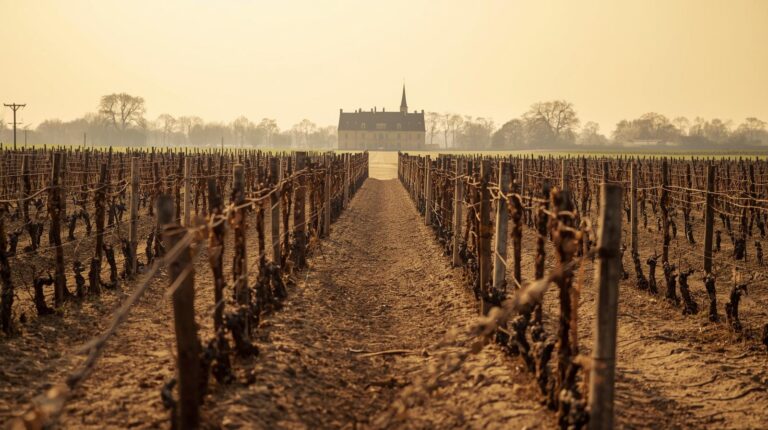
The Adour basin is located in south‑western France, within the Aquitaine Basin, and is classified as a Water Allocation Zone (ZRE), meaning that available water resources are structurally insufficient compared to demand. The territory covers approximately 17,000 km², with around 1.08 million inhabitants and a strong presence of agricultural land, especially maize, soybean and other irrigated crops.
Its physical characteristics combine Pyrenean mountain areas, alluvial plains and extensive sandy soils, which strongly shape hydrological functioning and irrigation needs. Projected climate changes point to a progressive increase in temperature, a decrease in river flows, a significant reduction in snow cover and the occurrence of earlier, longer and more severe low‑flow periods, with consequences for aquifer recharge and the vulnerability of wetlands.
Irrigation water management is organised around the Organisme Unique de Gestion Collective (OUGC) Irrigadour, which concentrates abstraction permits for agriculture within the ZRE. This body requests a Multi‑Annual Single Permit (AUP) from the authorities, under which it allocates volumes among users in an equitable way, taking into account the type of resource (river, aquifer, reservoir), the pedoclimatic context and crop groups.
Permits are linked to specific abstraction points and are reviewed annually within an Annual Allocation Plan (PAR), which incorporates consumption history, compliance with volume declarations and priority criteria (young farmers, new irrigators, etc.). In parallel, drought plans established by the administration (AOB and ACI) set discharge thresholds and alert levels (vigilance, alert, reinforced alert, crisis) that trigger progressive reductions in available volumes or even the suspension of irrigation.
To “smooth” the demand curve and reduce consumption peaks, the document proposes “reasoned irrigation” (better dose calibration, network improvement, temporary storage in small dams or lacs collinaires, variable‑flow pumps) combined with temporal planning of irrigation between farms. It also calls for stronger territorial dialogue, the use of indicators and warning systems, and economic incentives for investments in more efficient technologies.
In the digital field, remote sensing and satellites are highlighted to monitor crop water status, alongside decision‑support tools (OAD) based on data from soil moisture probes and weather stations, smart meters and collaborative platforms that display resource status and restrictions in near real time. At farm and field scale, recommended agronomic practices include improving soil structure with organic matter, using cover crops and direct seeding, selecting more drought‑tolerant varieties and implementing localized and night‑time irrigation systems to limit evaporation losses.
Download the full document here (in French): STRATEGIE_ADOUR_Secheresse_VF