
The lakes of Clarens, Villeneuve-de-la-Raho and Monclar-de-Quercy have come under the spotlight of the French authorities following an increase in the number of toxic cyanobacterial blooms detected in recent years. Temporary bathing restrictions, beach closures and the detection of toxins have highlighted the vulnerability of these recreational areas to climate change and local pressures.
Lake Clarens, one of the most important tourist destinations in Lot-et-Garonne, suffered its first significant episode of cyanobacterial contamination in 2025, forcing the temporary closure of the bathing area. Experts put forward several hypotheses that could explain this phenomenon: recent changes in water levels, increased tourist activity, or even the input of nutrients from surrounding agricultural areas.
The situation is even more critical in Villeneuve-de-la-Raho, where data show a progressive deterioration since 2012, with rising temperatures, deep-water anoxia, phosphorus accumulation and almost annual blooms of genera such as Dolichospermum, Aphanizomenon and Microcystis. Monitoring campaigns confirm that the lake has gone from a good ecological status to an eutrophic state posing a recurring risk in just a decade.
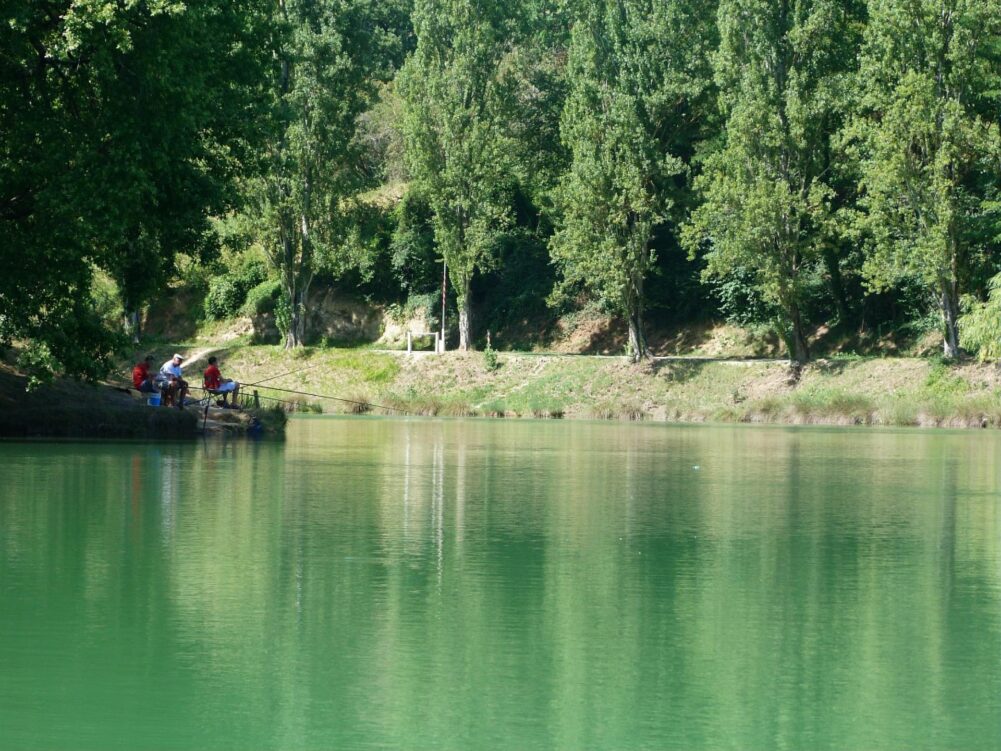
In Monclar-de-Quercy, the closure of the bathing lake in August 2023 marked a turning point. The presence of microcystins in concentrations exceeding the reference values led to a comprehensive analysis which confirmed that the sediments were acting as a reservoir for active cyanobacteria. Municipal intervention helped to reduce the risk, but the authorities point out that rising temperatures and heavy rainfall could trigger further incidents.
These three cases reflect a clear trend: French recreational lakes are entering a phase of heightened ecological sensitivity. Combined monitoring of physical, chemical and biological parameters will be essential to anticipate risks and protect users.