
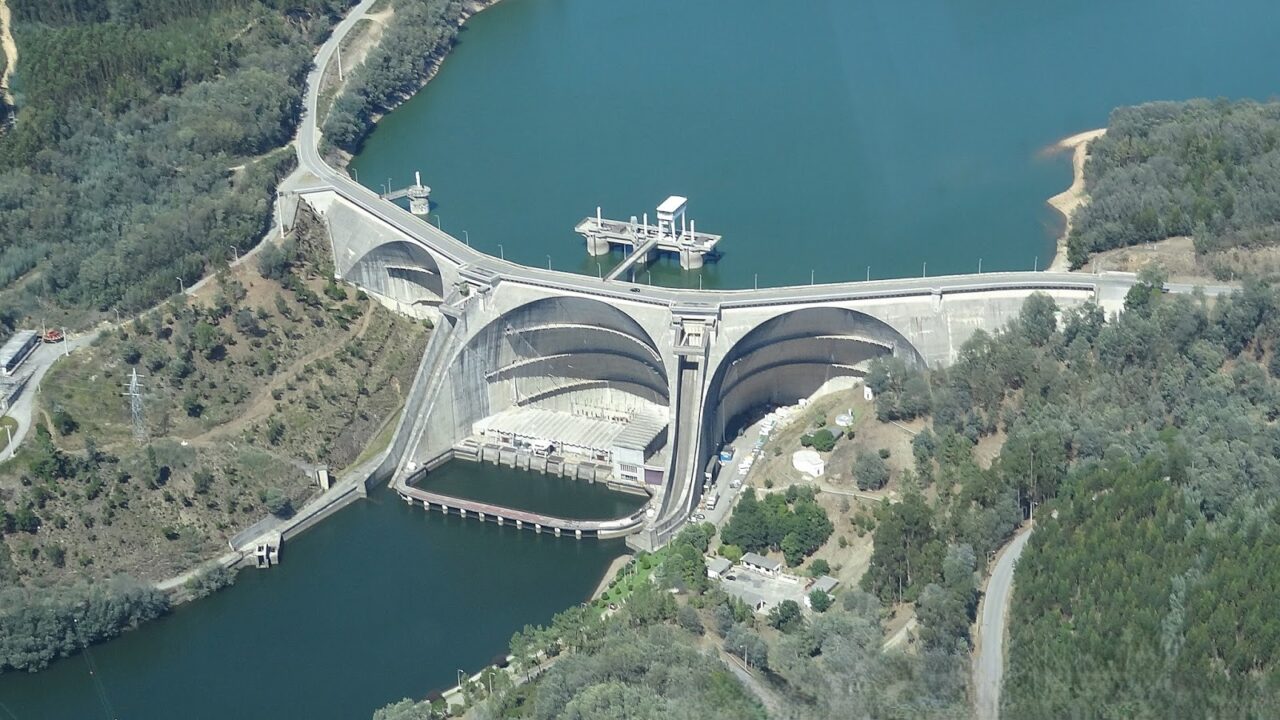
The Aguieira reservoir, one of the most important aquatic ecosystems in central Portugal, both for its role in the energy sector and for its environmental and recreational significance, faces a worrying situation following decades of the presence of potentially toxic cyanobacteria. Analyses carried out since 1989 reveal high and persistent levels of chlorophyll-a, as well as the recurring presence of toxin-producing species.
In recent years, species such as Microcystis aeruginosa, Aphanizomenon flos-aquae and Anabaena flos-aquae have been detected during the summer and autumn months, coinciding with the conditions most favourable for their proliferation. Some episodes far exceeded the risk reference values established by the WHO, and the most recent studies confirm that some strains present in the reservoir contain genes associated with the production of microcystins.
The increase in nutrients in the water, particularly phosphorus and nitrogen, linked to agricultural practices and urban discharges, is emerging as one of the most significant factors. Similarly, heavy rainfall, prolonged droughts and rising temperatures are creating conditions that encourage repeated cycles of proliferation.
The ecological and social consequences are already being felt. In 2024, swimming was discouraged at several river beaches, and experts warn that the situation could worsen unless strategies are put in place for continuous monitoring and reducing pollutant inputs.
The Aguieira reservoir has become a clear example of how human pressure and climate change are reshaping the functioning of Portugal’s aquatic ecosystems and highlights the urgency of moving towards more sustainable models of water management.