
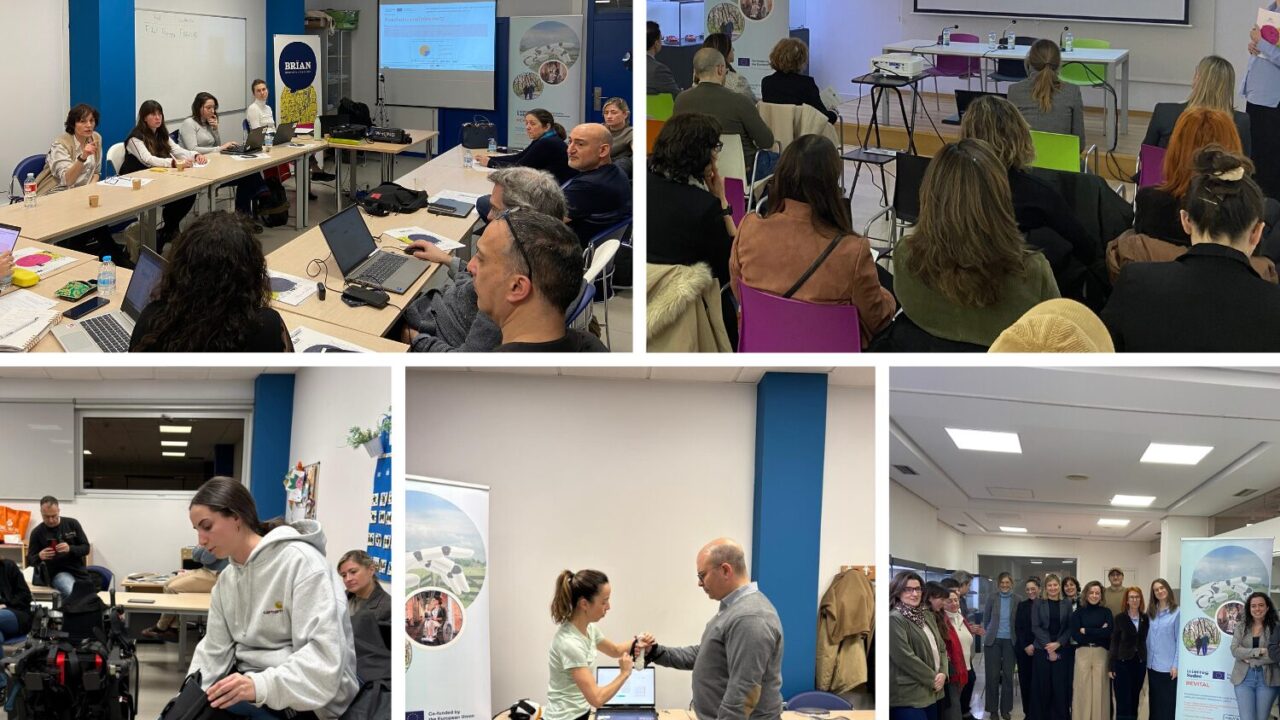
The European project consortium REVITAL held its first in-person meeting of the year on February 4th and 5th, 2026, in Palencia, Spain. This key meeting served to strengthen coordination among the partners and assess the progress of the various work streams. The meeting culminated on February 5th with a presentation of the project and its results to date, attended by political and institutional authorities and members of the media, highlighting the project’s impact and future prospects.
During the two days of work, the consortium members toured the facilities of the San Cebrián Foundation, now known as BRIAN, and learned about the progress of the pilot project being carried out at this site, one of the three strategic locations for the REVITAL project.
Wednesday, February 4: Consortium In-Person Meeting
Wednesday, February 4, was dedicated to an internal working meeting of the REVITAL consortium, held at the Fidel Ramos Independent Living Center in Palencia. This meeting allowed for progress in the technical and operational coordination of the project. The partners reviewed administrative matters and addressed the preparation of the next beneficiary declaration, laying the groundwork for the proper planning of the project’s subsequent phases.
Throughout the afternoon, the progress of the pilot activities carried out in BRIAN, GARAZI, and IPCB was presented, as well as the initial results obtained from the questionnaires administered in the pilot cases, presented by the participating organizations. The session also included a working session for identifying new needs and defining protocols and technological tools, and a visit to the Fidel Ramos Independent Living Center and its testing laboratory, which provided firsthand insight into the technological solutions linked to the project.
Pablo Viñas, Director of the Health Area at CARTIF and Coordinator of the Internationalization-Missions Group at the SIVI Cluster, and Héctor J. Urueña de Castro, R&D&I Researcher at CARTIF, were the professionals and experts invited to learn about this project and to share technological solutions and developments at CARTIF. They presented three developments from their projects at CARTIF: an assisted walker, a web application for comprehensive rehabilitation (the SERENHE project), and an upper limb rehabilitation robot. This allowed the consortium to learn about other solutions and working tools, identifying new synergies for the future of the REVITAL project.
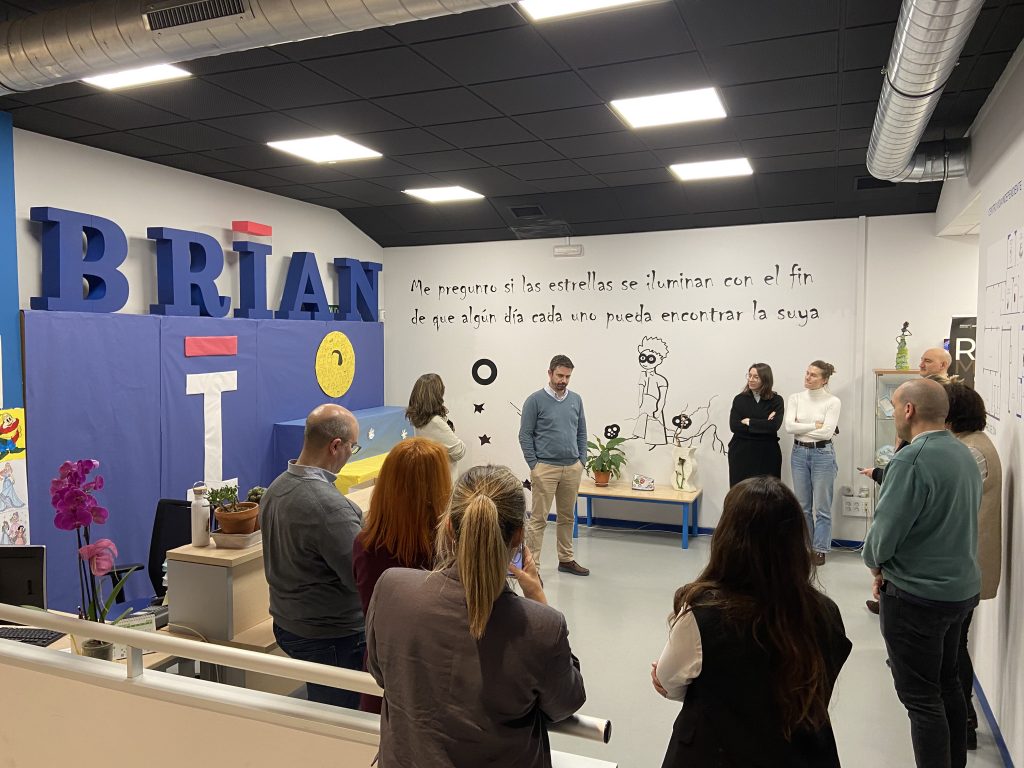
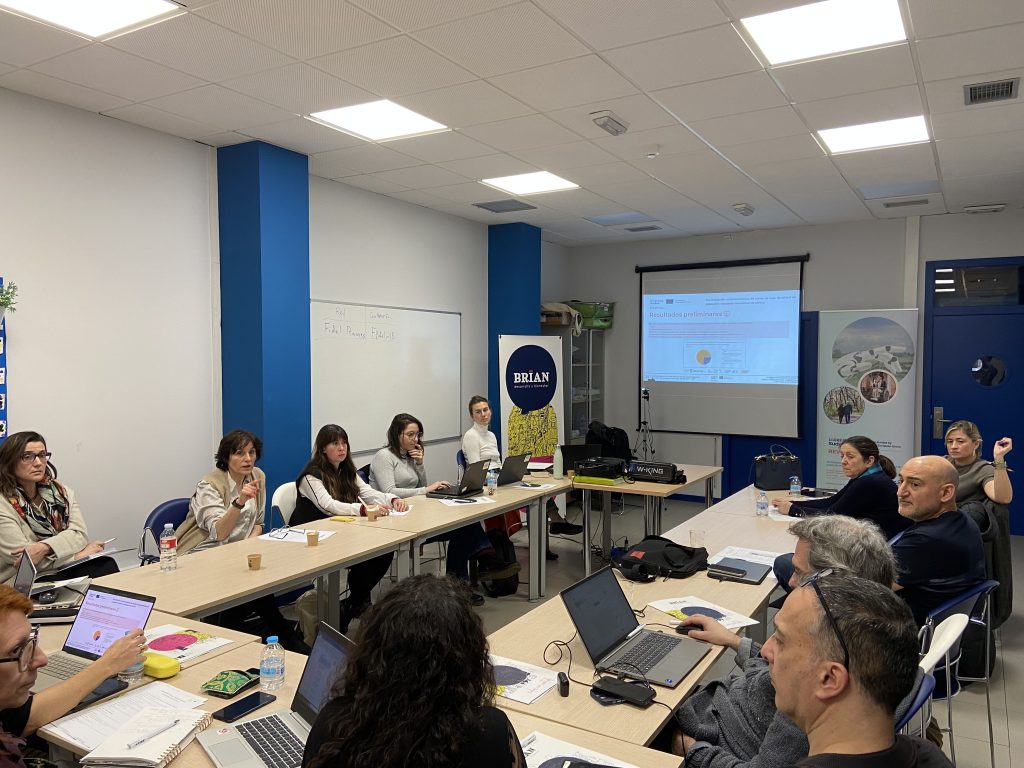
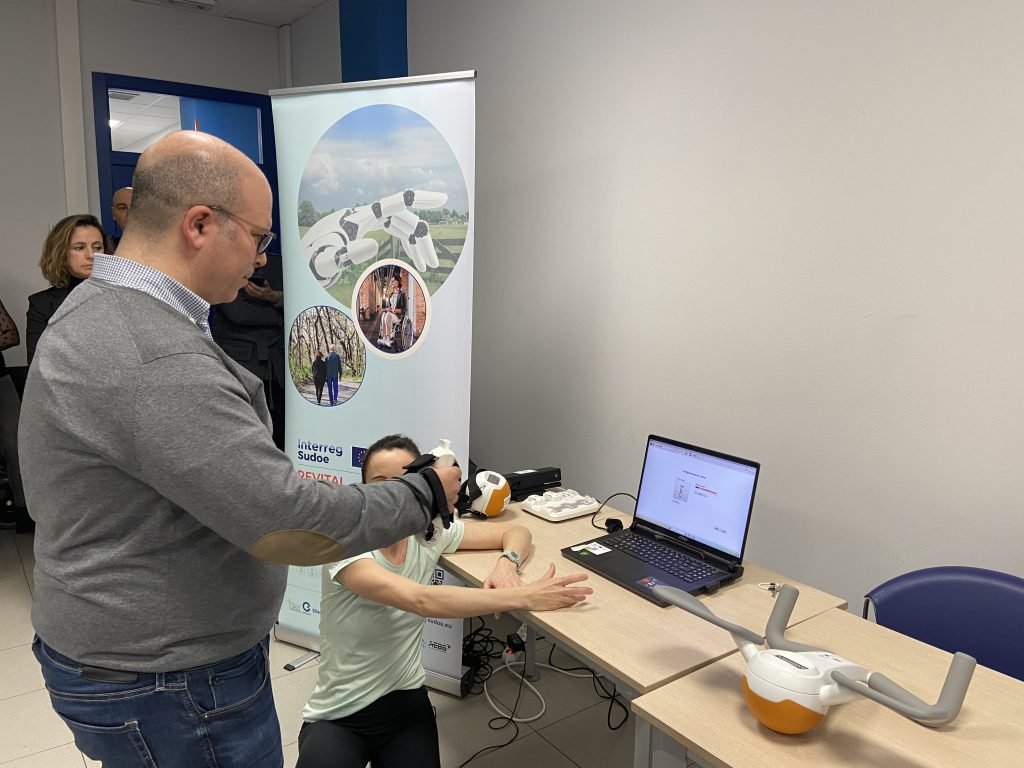
Thursday, February 5: Presentation of Results to Political and Institutional Authorities
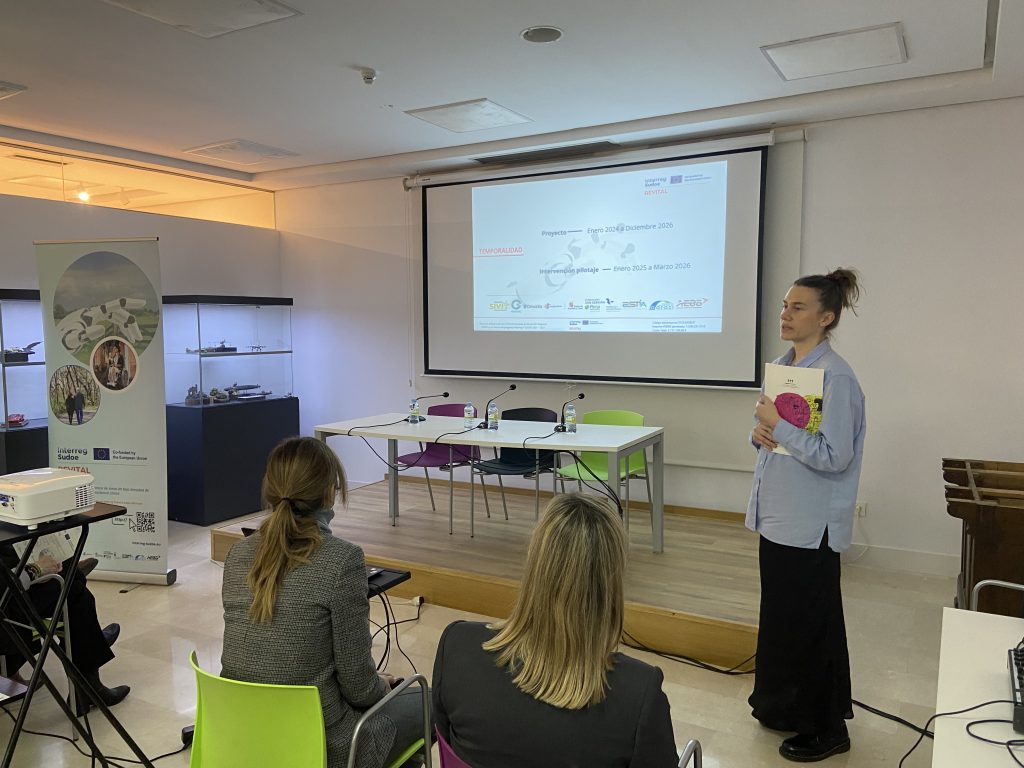
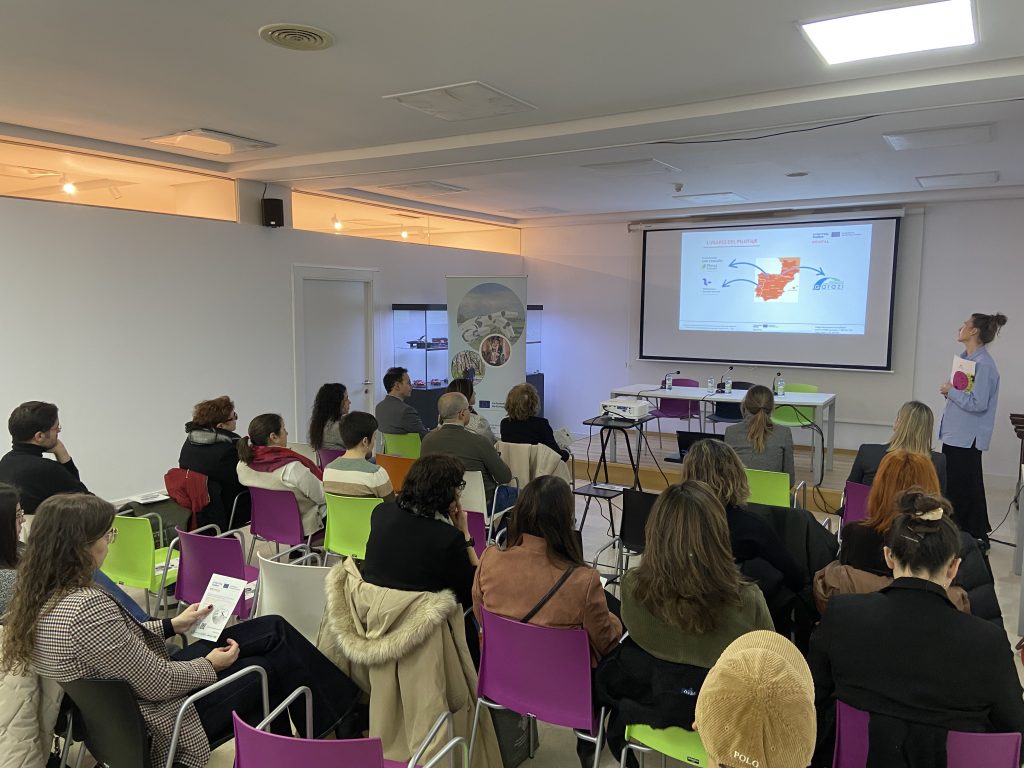
The event held on Thursday, February 5, at the Ateneo of Palencia, was marked by the institutional nature of the gathering and the media coverage of the REVITAL project. Following the initial welcome, the project was officially presented to political and institutional authorities, as well as the media. The presentation outlined the project’s objectives, innovative approach, and scope, along with an update on the results obtained to date in the pilot program, highlighting the impact of the actions carried out so far on both the users and the pilot areas.
Attendees included Eduardo García Brea, Director General for Older Adults, People with Disabilities, and Dependency Care of the Regional Ministry of Family and Equality of the Regional Government of Castile and León; and Charo García, Councilor for Social Services of the City Council. The Deputy for Social Services, Juan Antonio Obispo, and
Rosario Fernández, Head of the Social Services, Women, and Equal Opportunities Area of the Palencia Territorial Management Office, were present. They were accompanied by Montse Fernández Chimente, Manager of the SIVI Cluster, and Eva del Río, Manager of BRIAN.
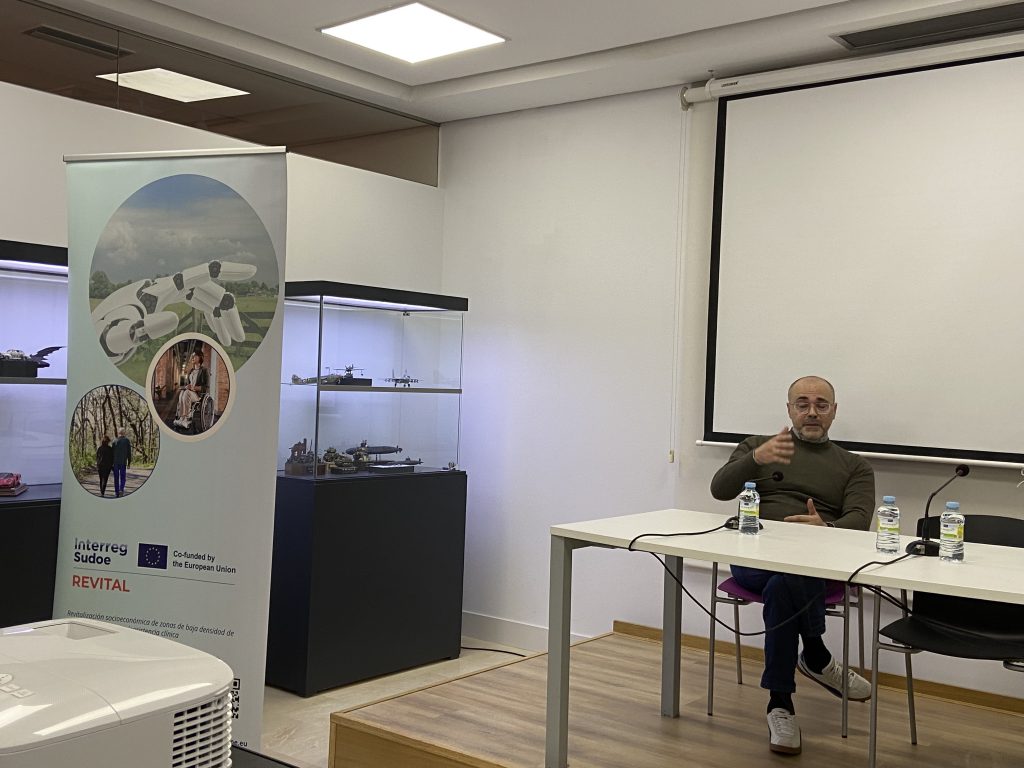
In addition, Andrés Pesquera, a user and beneficiary of the REVITAL-Interreg SUDOE Project, shared his experience using one of the assistive technologies, the HANK exoskeleton. “I have post-polio syndrome and I have been using this technology since August 2025. After the sessions, my posture improved, as it allowed me to walk more upright,” he noted.
Initial Results
The REVITAL Project has already yielded preliminary results that allow for a very positive assessment of its progress. To date, 24 professionals have been trained in the use of technological tools for rehabilitation and telecare, and they have served 92 users in the three pilot areas: the Cerrato and Tierra de Campos region in Palencia, the Garazi canton in the French Basque Country, and the Beira Baixa region in Portugal.
These initial data reflect a significant impact during the pilot program to date, with an average age of 73 among those served and a total of 763 sessions conducted, representing an average of 8 sessions per person. These figures are still provisional, as data from the different pilot areas continues to be updated as the project progresses.
Meeting Closing
Next, the consortium partners internally addressed the definition of the business model and the promotion of clinical assistance and neurorehabilitation companies, presenting the data collected to date and outlining the pending tasks to be carried out in the coming months. The session continued with work on communication and dissemination activities for the project and the definition of upcoming goals, including the schedule of activities, deliverables, and future meetings, before the official closing of the meeting. The day concluded with a farewell lunch that fostered the exchange of ideas and the strengthening of alliances among the participants.
The REVITAL project—””Socioeconomic revitalization of sparsely populated areas through clinical telehealth””—is part of the Interreg VI-B Sudoe 2021-2027 Program and has an international consortium made up of entities from Spain, France, and Portugal: the Innovative Solutions for Independent Living Cluster (SIVI), the Social Services Management of Castile and León, the San Cebrián Foundation, GOGOA Mobility Robots, the École Supérieure des Technologies Industrielles Avancées (ESTIA), the University of Deusto, the Garazi Public Health Establishment, the Beira Baixa Business Association (AEBB), and the Polytechnic Institute of Castelo Branco (IPCB), which together form the complete consortium.

Project code S1/4.5/E0037
Approved ERDF amount: €1,598,331.75
Project funded by the Interreg VI-B Sudoe program. 1st Sudoe call 2021-2027