
In 2025, the European project STOP IATRO, co-funded by the Interreg SUDOE programme, reached an important milestone with the operational deployment of its pilot actions in France, Spain and Portugal.
Through training sessions, strategic meetings, collaborative working sessions and participation in scientific events, the project strengthened the mobilisation of healthcare professionals around a common objective: preventing risks related to medication treatments in older adults.
The STOP IATRO project : a shared objective for the safety of older patients
The STOP IATRO project aims to strengthen the skills of healthcare professionals in order to improve the safety of care pathways and prevent risks related to medication treatments among older patients.
By raising awareness among frontline healthcare professionals about the challenges of medication-related iatrogenesis, the project helps preserve patient autonomy and reduce avoidable hospitalisations.
1. Objectives of Phase 2 (2025) : ensuring long-term engagement of healthcare professionals
The second phase of the project, launched in 2025, pursued two main objectives:
-
strengthening the long-term engagement of healthcare professionals,
-
informing and supporting participants while encouraging their active involvement in training sessions and pilot actions.
This phase marked the transition to the concrete implementation of actions in the partner territories : Toulouse, Limoges, Barcelona, Malaga, Aveiro and Guarda.
2. Training sessions deployed in the three partner countries
In 2025, numerous training sessions were organised to develop healthcare professionals’ skills and promote the adoption of safer practices.
In France
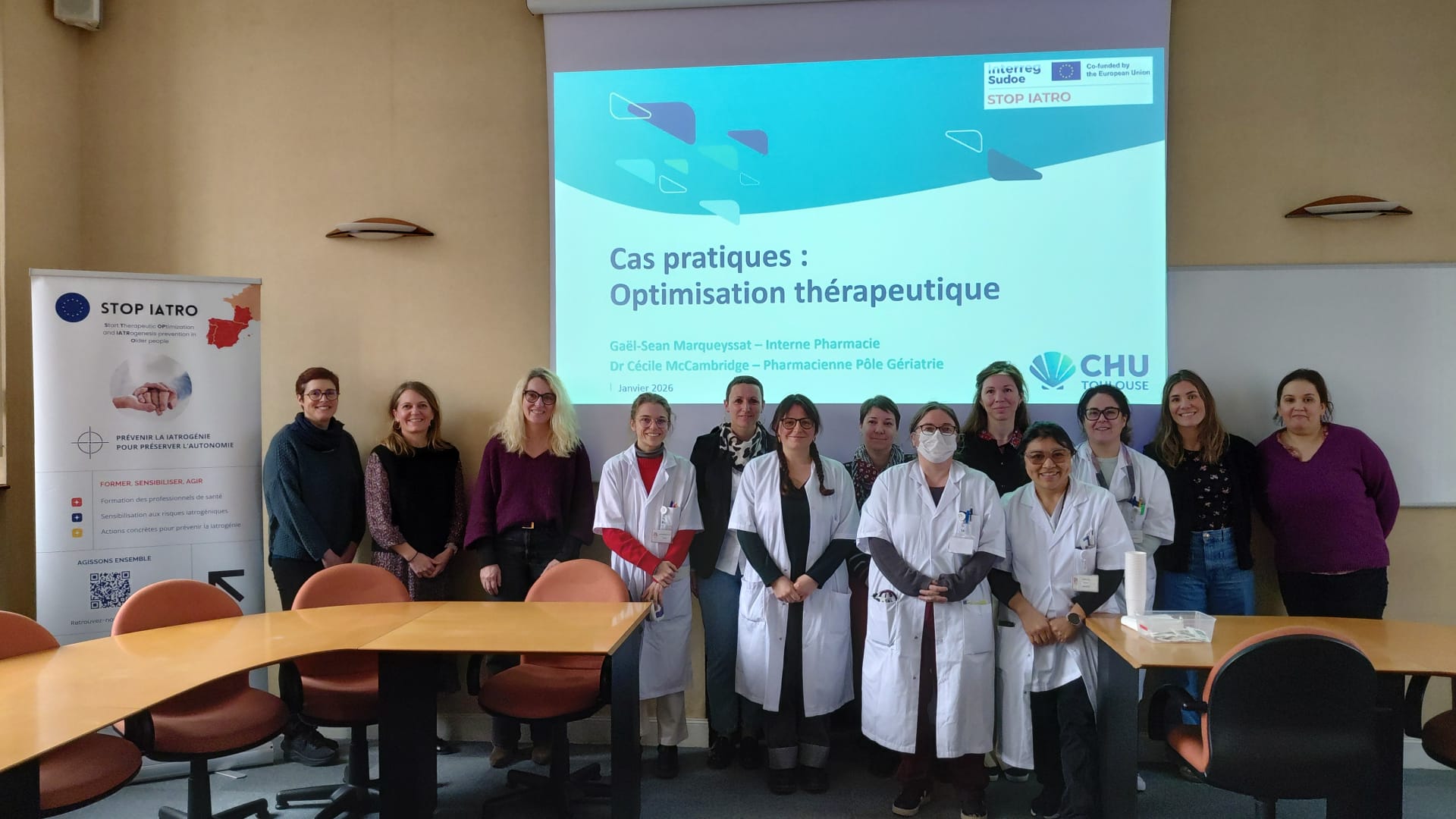
Several training sessions were organised, notably by the CHU de Toulouse, focusing on iatrogenic dependency and therapeutic optimisation. These sessions took place:
-
in Toulouse (27 March 2025),
-
in Vic-en-Bigorre (16 June 2025),
-
in Lavaur (23 June 2025).
An additional training session in Lavaur focused on therapeutic optimisation in older adults.
In Spain
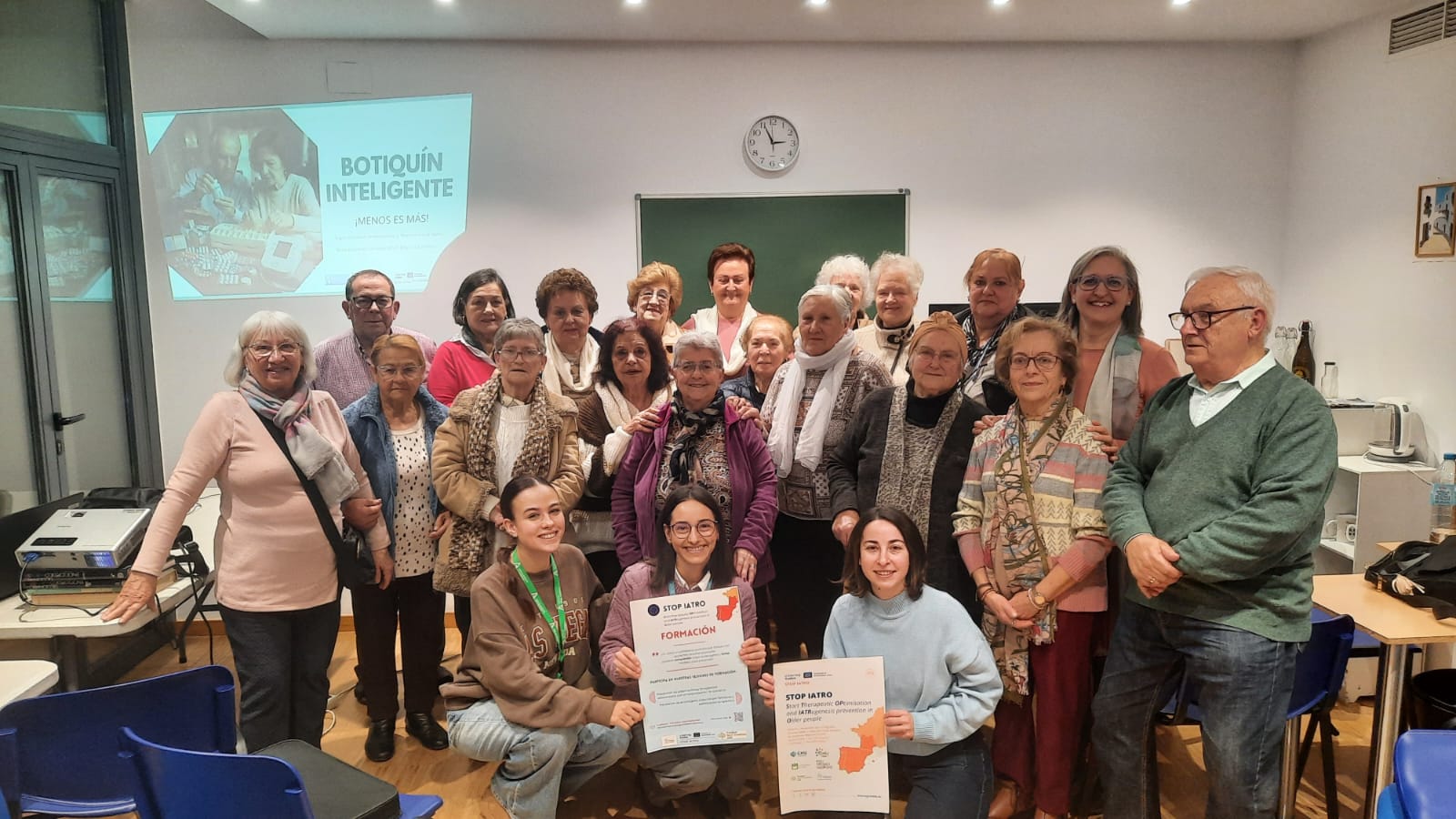
Training sessions were organised in several cities, addressing topics such as:
-
medication deprescribing,
-
alternatives to benzodiazepines,
-
communication with patients,
-
continuity of care and treatment adherence.
These sessions helped strengthen healthcare professionals’ skills and improve coordination across care pathways.
In Portugal
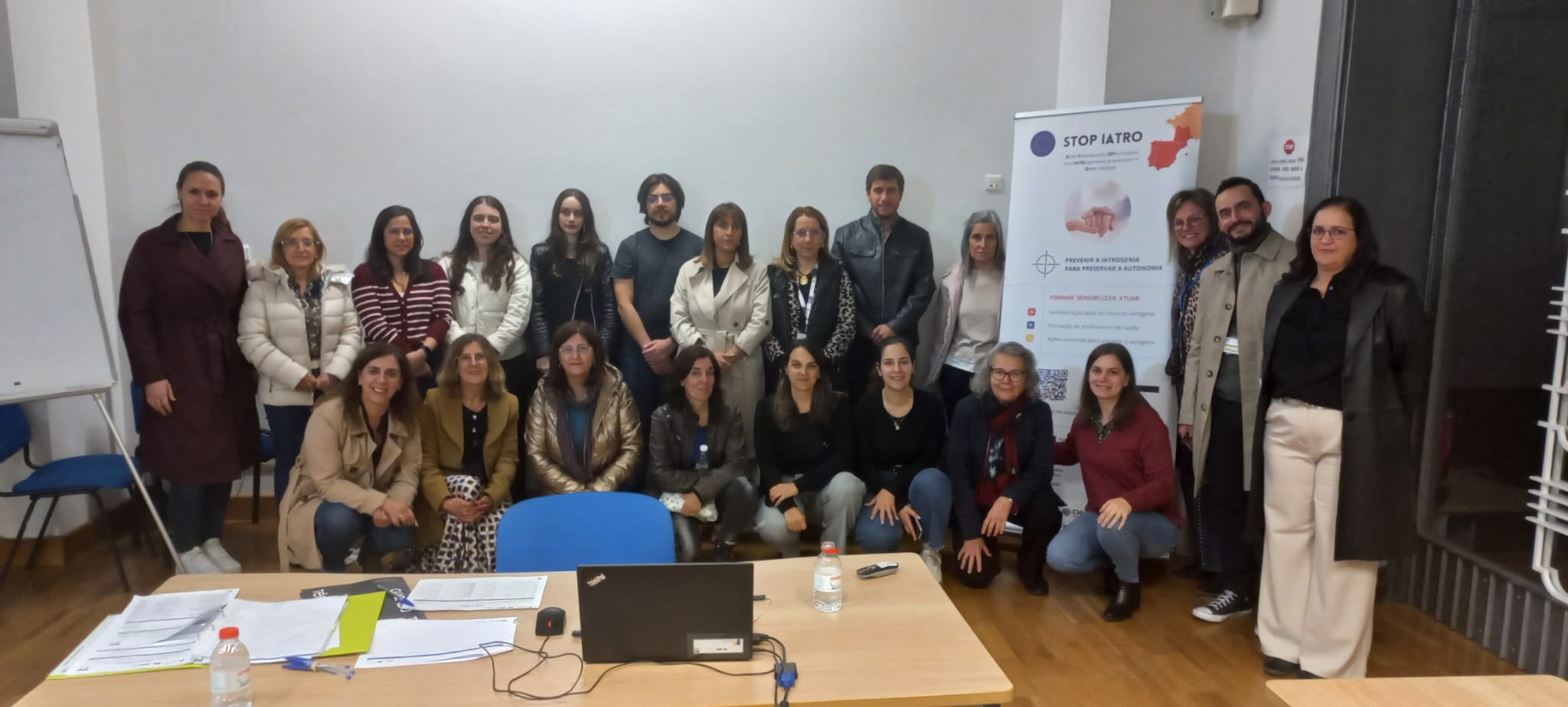
Training sessions were also organised by the Universidade de Aveiro and the Politécnico da Guarda, focusing on:
-
medication-related iatrogenesis,
-
polypharmacy in older adults,
-
interprofessional communication,
-
management of complex situations.
These sessions, which included collaborative workshops, contributed to strengthening the prevention of iatrogenesis in clinical practice.
3. Steering committees to coordinate the consortium’s actions
The steering committees (COPIL) represent key moments to ensure the monitoring and coordination of the project among partners.
May 2025 steering committee : a strategic progress review
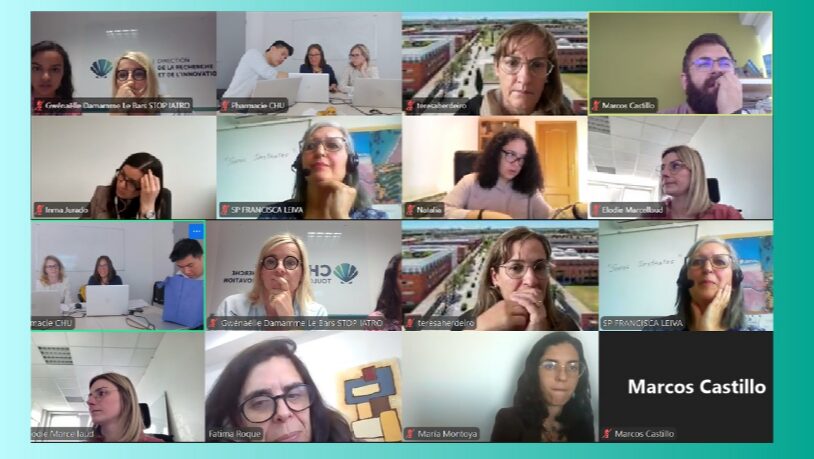
On 13 May 2025, the partners met via videoconference to :
-
review the project’s progress,
-
coordinate the pilot actions,
-
prepare the next operational steps.
This meeting helped strengthen collaboration among partners and ensure the consistency of actions at the European level.
September 2025 steering committee : a meeting in Toulouse to strengthen collective momentum
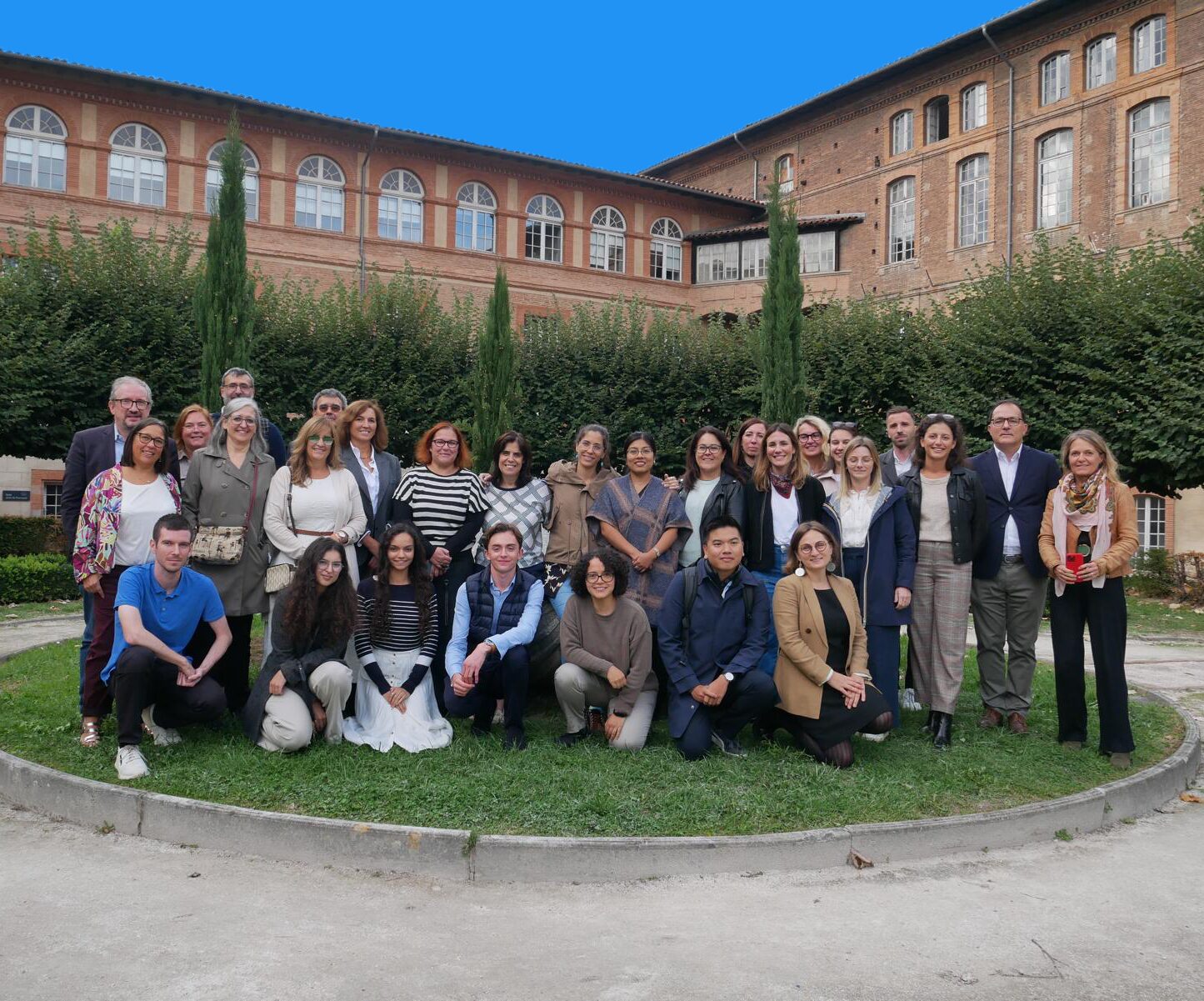
On 25 and 26 September 2025, the steering committee was held at the Hôtel Dieu of the CHU de Toulouse.
During these two days, partners were able to :
-
share project progress,
-
organise collaborative workshops,
-
strengthen partnerships.
These key moments helped reinforce the cohesion of the consortium and prepare the next stages of the project.
The next steering committee will take place in Barcelona on 21 and 22 May 2026.
4. Regular working sessions to deploy pilot actions
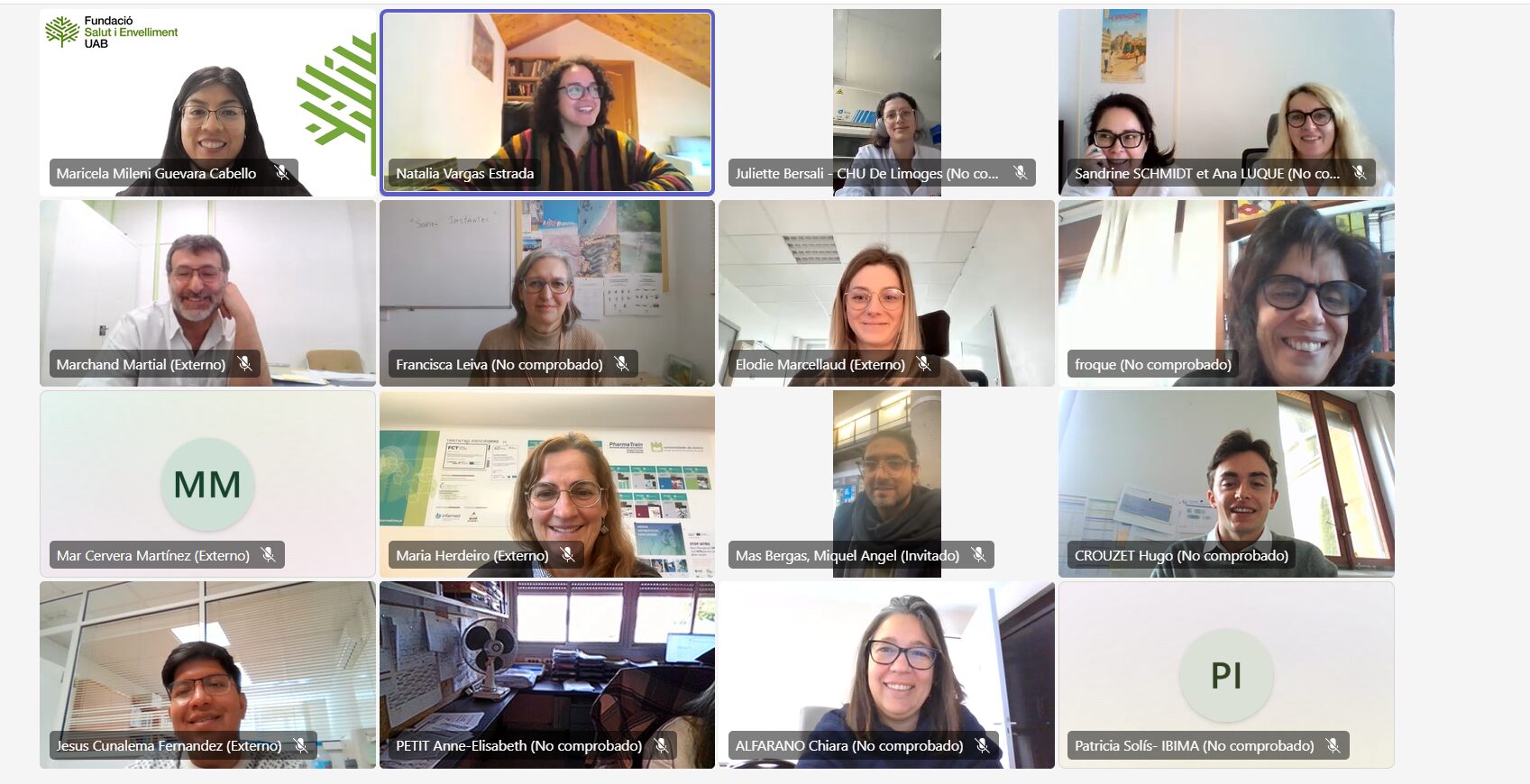
Throughout 2025, numerous working sessions were organised via videoconference, bringing together all project partners.
These meetings made it possible to :
-
monitor the progress of pilot actions,
-
share feedback and experiences,
-
coordinate actions across the different territories,
-
prepare the project evaluation phase.
These regular exchanges played a crucial role in the effective implementation of the project.
5. Strong visibility of the project at European scientific events
In 2025, STOP IATRO was presented at several international scientific conferences, contributing to increasing its visibility and sharing its results.
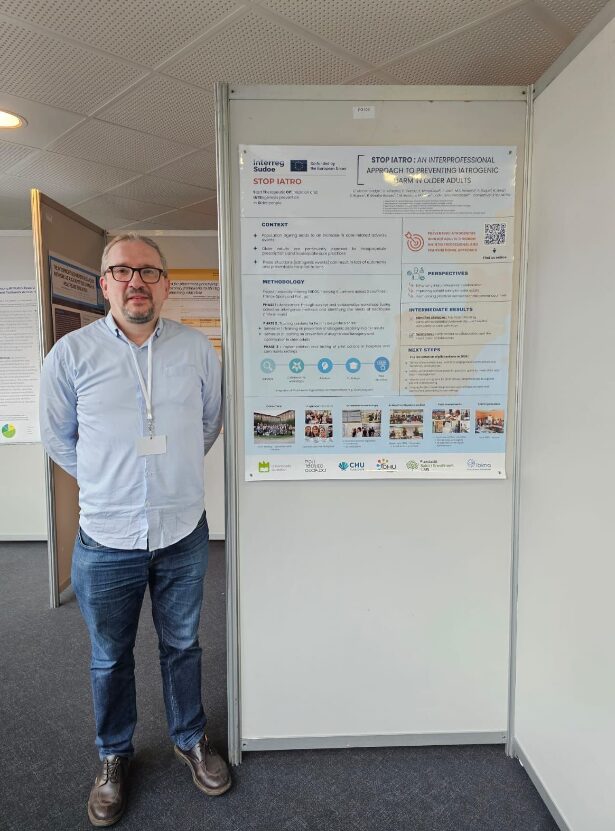
In France, the project was presented at the symposium organised by the European Society of Clinical Pharmacy in Grenoble, as well as at the Fragility in Older Adults Congress in Toulouse.
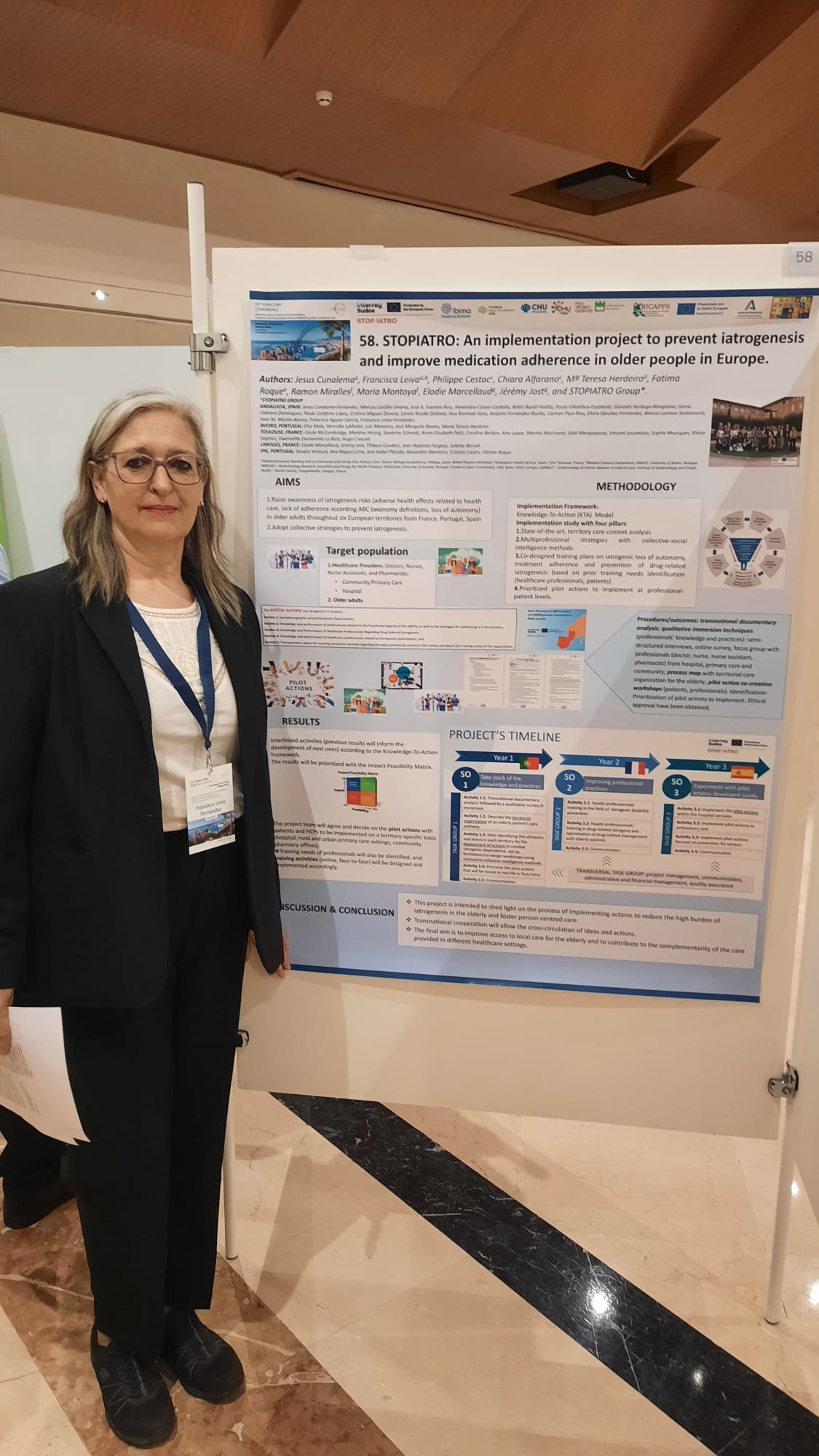
In Spain, STOP IATRO was showcased at the ESPACOMP congress in Malaga, bringing together European experts in the field.
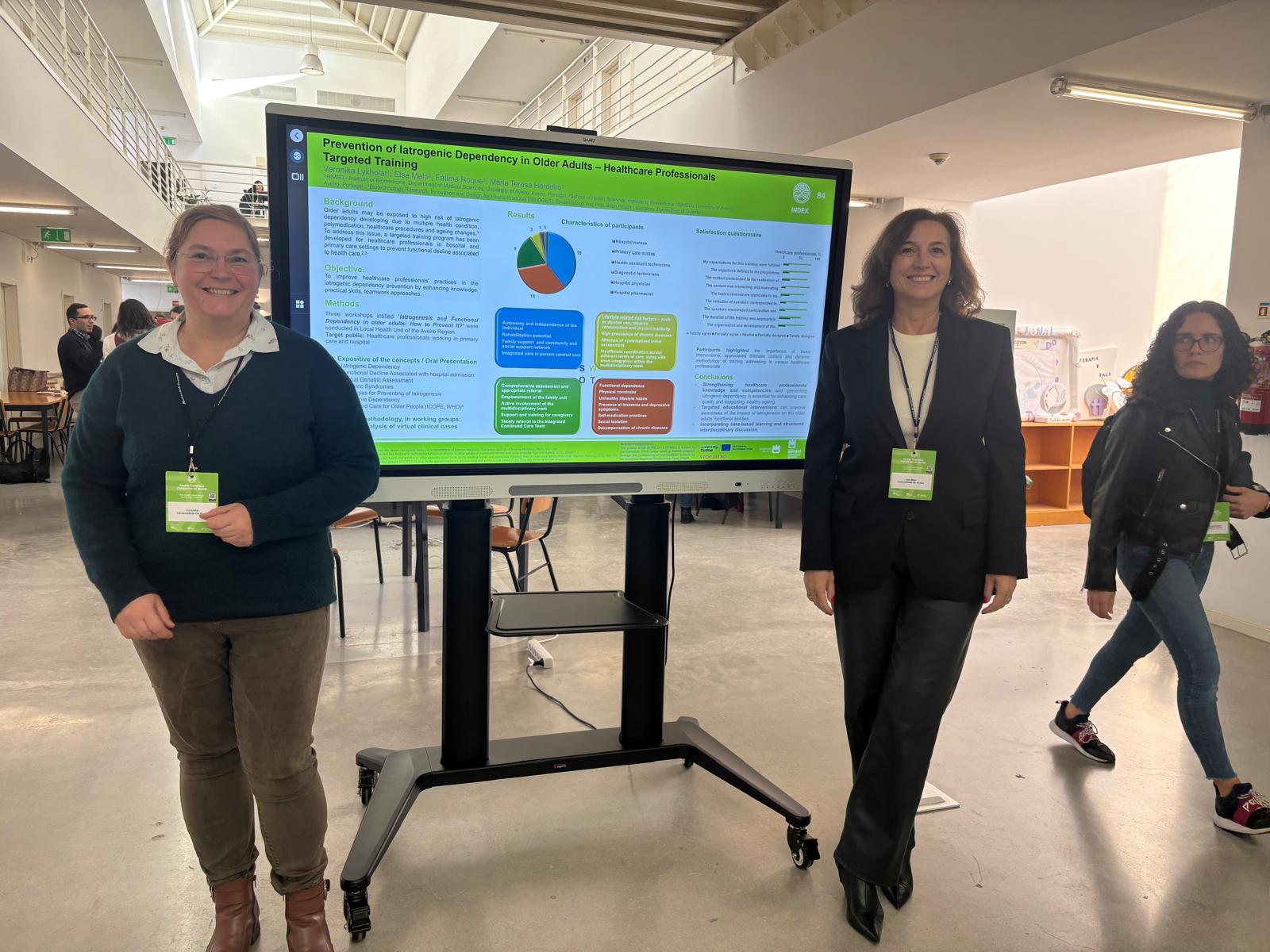
In Portugal, the project was presented at the Abstract Health Conference in December 2025.
These participations helped disseminate the project’s results and promote best practices in the prevention of medication-related iatrogenesis.
6. 2026 outlook : strengthening patient involvement and continuing the deployment of actions
In 2026, the STOP IATRO project will continue its deployment by strengthening the direct involvement of patients in order to support them in the appropriate use of medications and prevent risks associated with drug treatments.
Workshops dedicated to older adults will be organised in the three partner countries:
-
In France, these workshops will notably take place in Lavaur in April and in Tarbes in September, raising awareness among patients about the risks of iatrogenesis and promoting better day-to-day management of their treatments.
-
In Portugal, six workshops will be organised between April and October, in collaboration with the Universidade de Aveiro, the Politécnico da Guarda, municipalities and gerontology teams. Discussions are also underway with patient associations in order to strengthen their involvement in the project.
-
In Spain, several initiatives will be carried out to raise awareness among both healthcare professionals and patients, notably through workshops in primary and hospital care settings, as well as sessions dedicated to healthy ageing.
These actions will help consolidate the project’s results and continue its main objective: improving the safety of care pathways and preserving the autonomy of older adults at the European level.
The next steering committee, scheduled to take place in Barcelona in May 2026, will represent another key milestone in the continuation and evaluation of the project.
STOP IATRO was co-funded with €1,301,219.70 by the European Regional Development Fund (ERDF) within the framework of the Interreg SUDOE programme.