
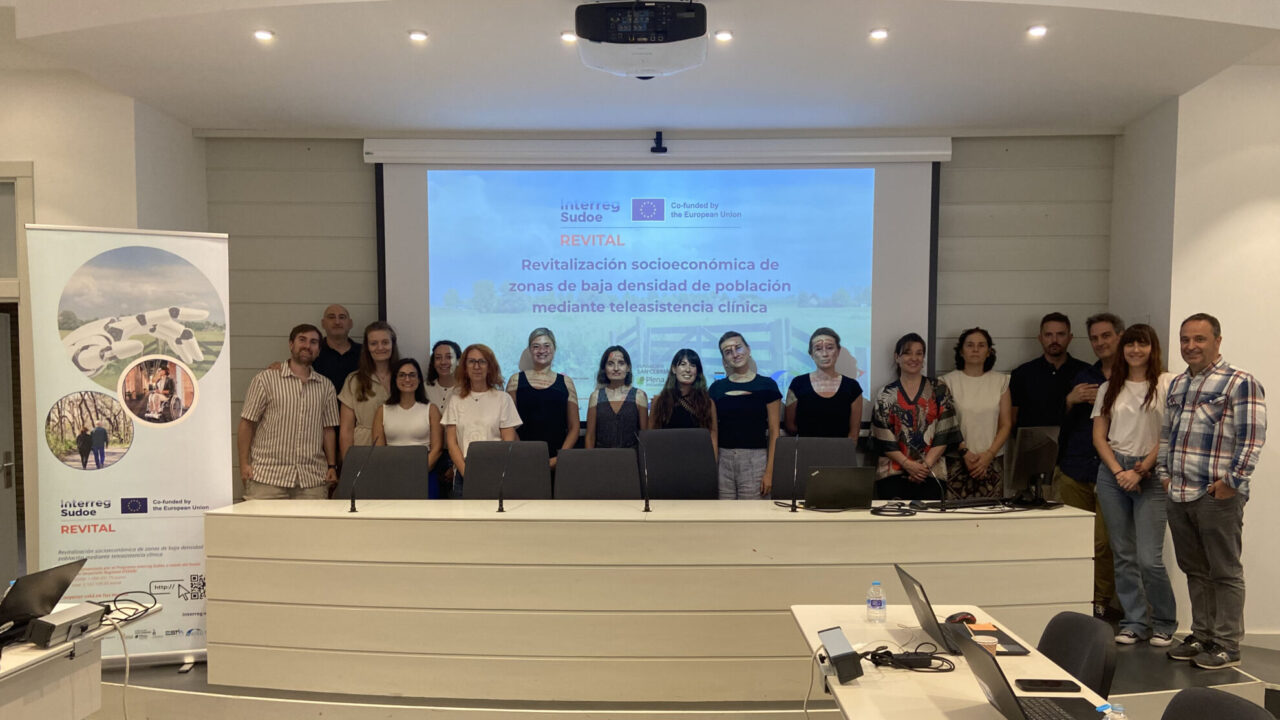
On July 7 and 8, 2026, the University of Deusto in Bilbao hosted another in-person follow-up meeting for the REVITAL project. This meeting brought together the consortium’s partner organizations to review progress, share the results of completed activities, and plan the next steps that will mark the project’s final phase.
First day in Bilbao
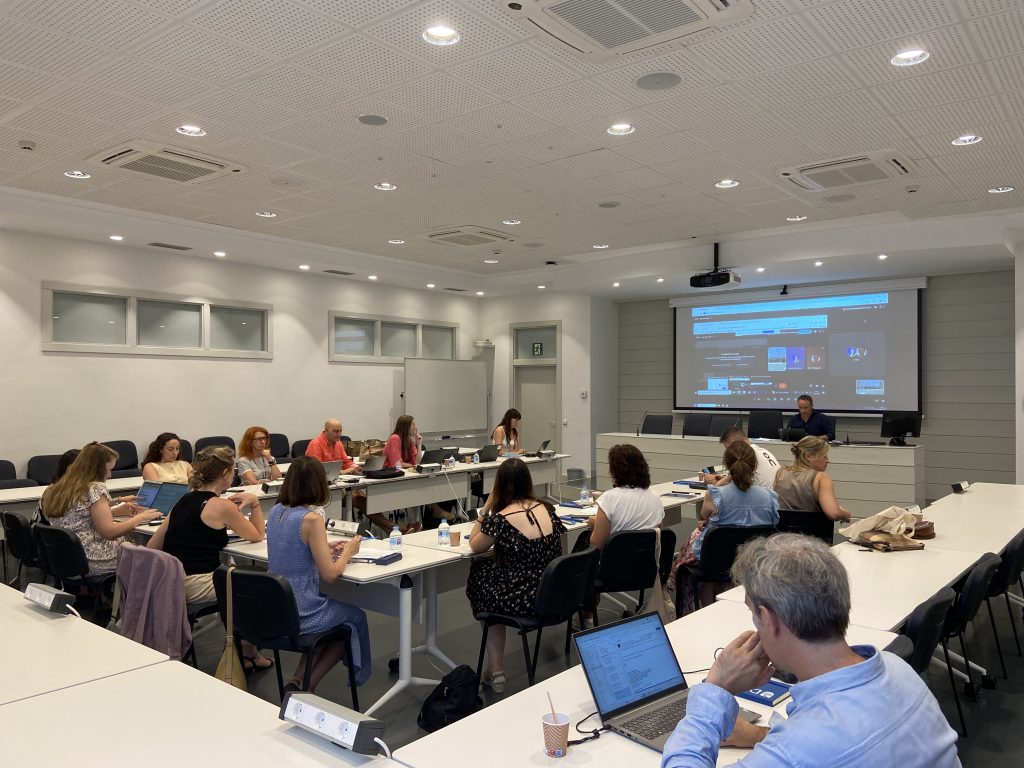
The meeting on July 7, held in the Turing Room of the Faculty of Engineering, began with a review of the project’s administrative status, coordinated by the SIVI Cluster, which included a review of the progress made on planned milestones and deliverables.
During the first day, the partners presented the results obtained in several of the project’s key activities. GOGOA presented the progress of Activity 2.3, focused on selecting a business model, as well as the strategy for implementing Activity 3.4, focused on developing guidelines for replication in other territories of SUDOE (Southwest Europe). Meanwhile, the Associação Empresarial da Beira Baixa (AEBB) presented the progress report for Activity 2.4, focused on promoting the sustainable creation of service-oriented businesses.
The Polytechnic Institute of Castelo Branco (IPCB), the University of Deusto, ESTIA, and GOGOA presented the conclusions of Activity 2.2, focused on identifying new clinical and neuro-rehabilitation needs after analyzing the results obtained during the pilot projects developed within the REVITAL framework. Subsequently, the Social Services Management (GSS) of the Regional Government of Castile and León presented the study carried out in the field of early intervention, also linked to this activity.
One of the highlights of the day was the presentation by expert guest Celia Gómez Poveda, Director of Innovation at the Miranda Foundation, who shared her experience implementing innovative initiatives in the field of social and healthcare, offering a practical perspective on incorporating new technologies and methodologies in care centers.
Second day in Bilbao
The second day of work focused on the activities of the third work package. The University of Deusto presented the results achieved in Activity 3.1, centered on the evaluation of the technological tools in the pilot cases, while the Social Services Management (GSS) of the Regional Government of Castile and León presented the work plan for the development of Activities 3.2 and 3.3, aimed at evaluating the pilot cases and transferring the project results.
The meeting also served to review and coordinate the next communication and dissemination actions, presented by the SIVI Cluster. These actions addressed the planned initiatives to increase the visibility of the results obtained and strengthen the project’s impact among professionals, organizations, and the public.
Finally, the SIVI Cluster, incorporating feedback and suggestions from the other partners, defined the schedule of activities and deliverables for the coming months, establishing the priorities that will allow for the successful completion of the final phase of REVITAL and ensure the transfer of the knowledge and solutions developed during the project.
Visits to the University of Deusto Facilities
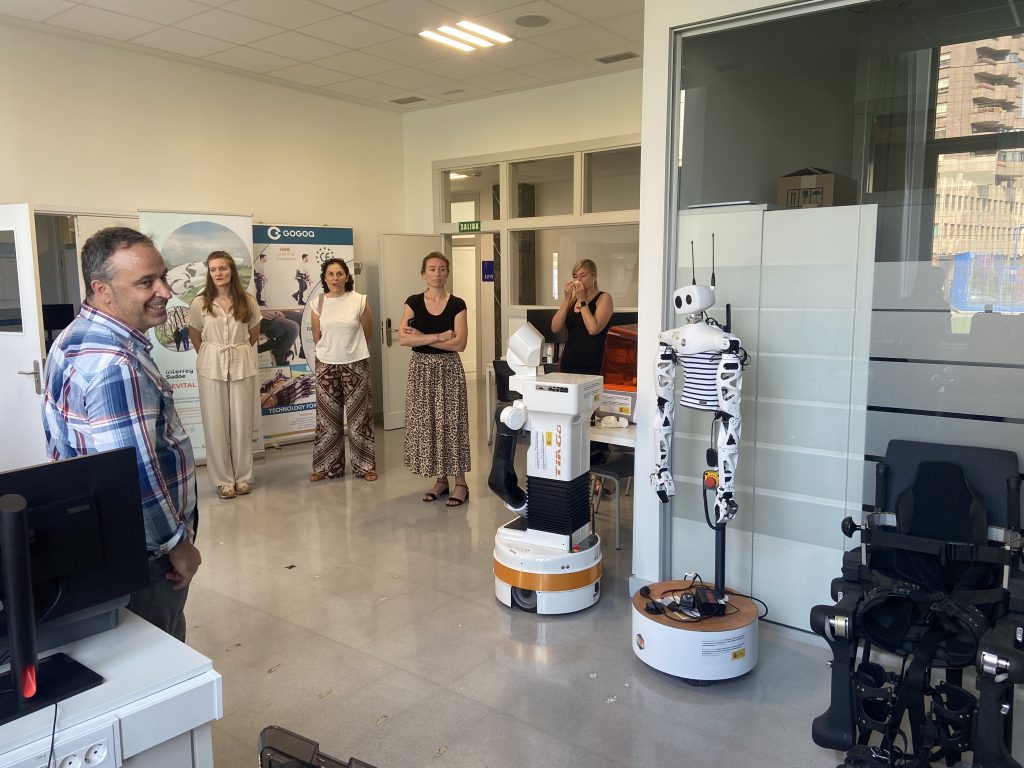
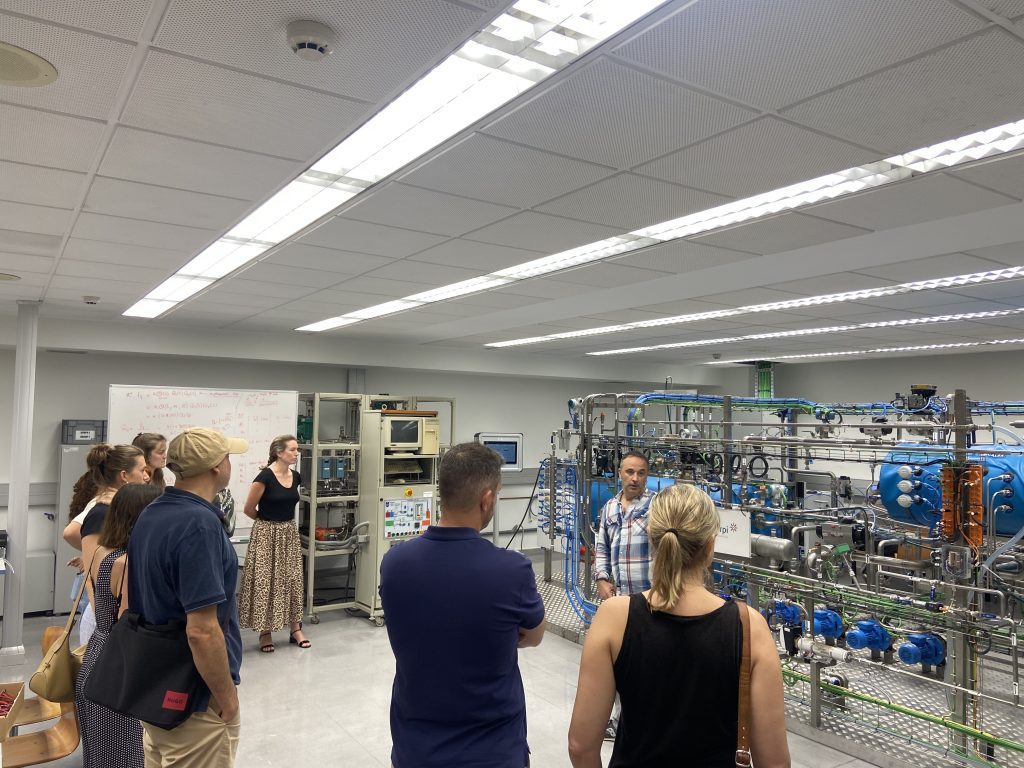
The day concluded with a visit to the University of Deusto facilities, which allowed participants to explore some of the spaces dedicated to research and technological innovation.
This latest meeting in Bilbao has allowed, as the project enters its final phase, for strengthened coordination among the participating entities and consolidated the collaborative work that characterizes REVITAL, advancing its objective of promoting innovative solutions to improve social and healthcare services and the quality of life of individuals through the use of rehabilitation and support technologies.
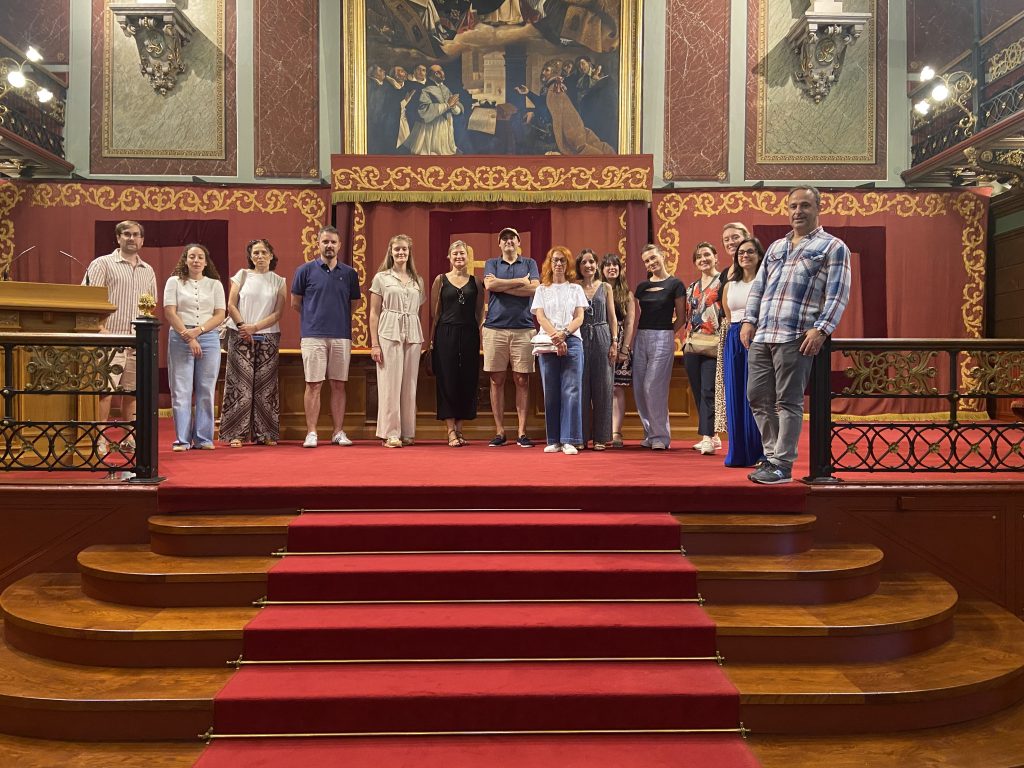
REVITAL Project Consortium
The Innovative Solutions for Independent Living Cluster (SIVI) coordinates this project, funded by Interreg-Sudoe, which includes the participation of the Social Services Management of Castile and León, the San Cebrián Foundation, GOGOA Mobility Robots, the École Supérieure des Technologies Industrielles Avancées (ESTIA), the University of Deusto, the Public Health Establishment of Garazi, the Beira Baixa Business Association (AEBB), and the Polytechnic Institute of Castelo Branco (IPCB), which together form the complete consortium.