
The University of Évora is selecting sites to assess the relationship between extensive grazing and biodiversity in Monfurado and Évora.
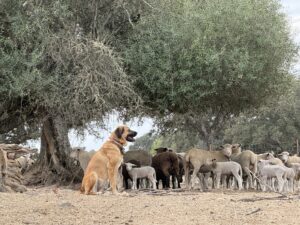
MED researchers, together with farmers, are selecting the plots where they will study—through 2028—the relationship between good management practices for extensive grazing and biodiversity on two farms in the Alentejo Natura 2000 Network.
As part of the PASTONATUR project, the team from the University of Évora, affiliated with the MED—Mediterranean Institute for Agriculture, Environment, and Development—has completed the selection of monitoring plots in the Monfurado Special Area of Conservation (SAC) and the Évora Special Protection Area (SPA).
The work was led by researchers Denis Medina and María Isabel Ferraz de Oliveira, in direct collaboration with the farm owners and managers. The goal was to identify plots representative of the region’s diverse ecological conditions and livestock management practices—including both cork oak and holm oak pastures (dehesas) and grain-growing plains—which will enable a rigorous comparison and interpretation of the results.
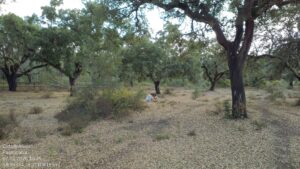
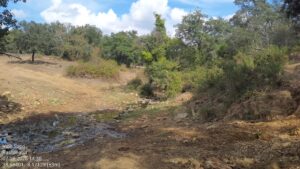
A Common Methodology Across Three Countries
The plots will be assessed using the common biodiversity monitoring methodology defined in the project. This will allow the data collected in the Alentejo to be compared with that obtained in protected areas in Spain and France.
The information gathered will contribute to the integrated assessment of livestock farms in protected natural areas of southern Europe developed within the framework of PASTONATUR, which analyzes the impact of farm management practices across four dimensions:
- biodiversity;
- climate change adaptation and carbon balance;
- economic performance;
- social impact.
It is worth noting that the biodiversity assessment methodology treats the soil, pastures, and livestock as a single system. This approach allows for a better understanding of the relationship between agricultural and livestock practices, the conservation of natural values, and the management of habitats associated with extensive grazing.
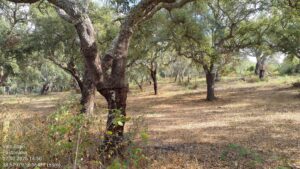
Producers at the Heart of the Process
The involvement of landowners and managers is crucial. It brings scientific work closer to the reality of farms and ensures that the results address specific problems. Furthermore, it helps develop management solutions tailored to the local area that reconcile agricultural and livestock activities with biodiversity conservation.
This work is taking place in the midst of the International Year of Ranges and Ranchers (IYRP 2026), proclaimed by the United Nations.