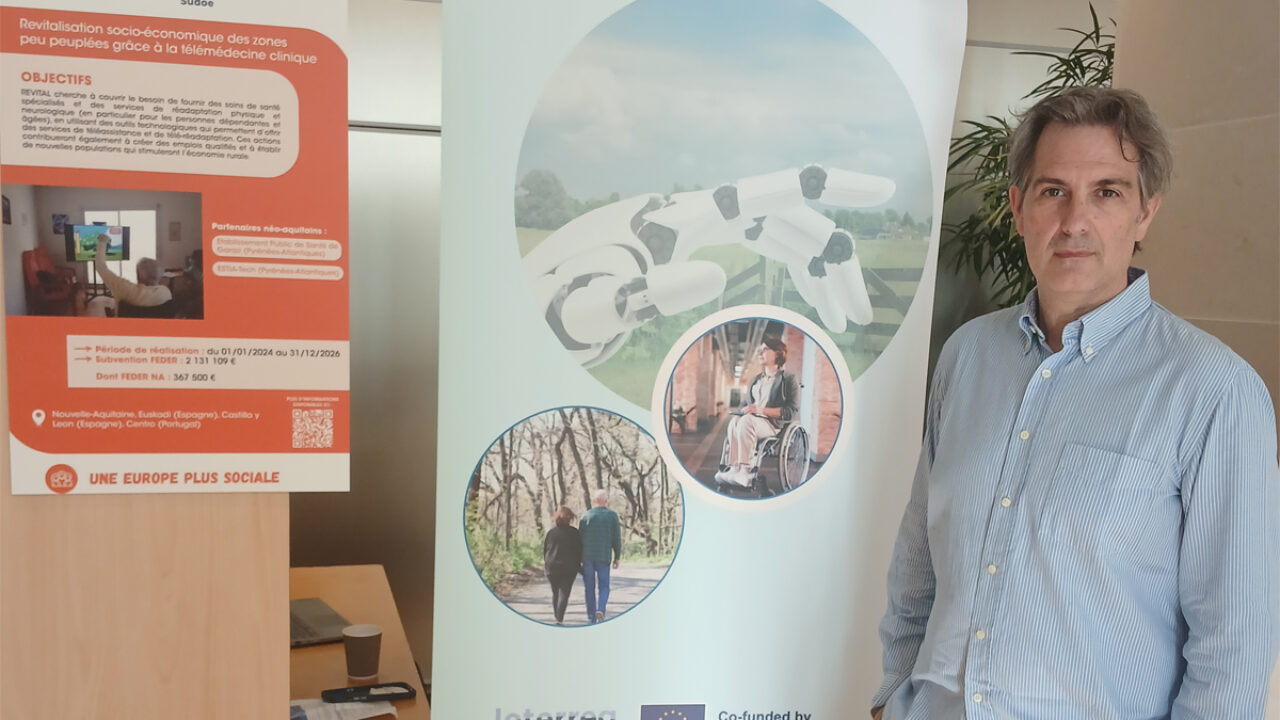
The École Supérieure des Technologies Industrielles Avancées (ESTIA TECH), through Jon Arambarri, Head of the REVITAL project at the School of Engineering, participated in the seminar organized by the Nouvelle-Aquitaine Region to highlight the results and territorial impacts of projects developed within the framework of European Territorial Cooperation (ETC) during the Interreg 2021-2027 program.
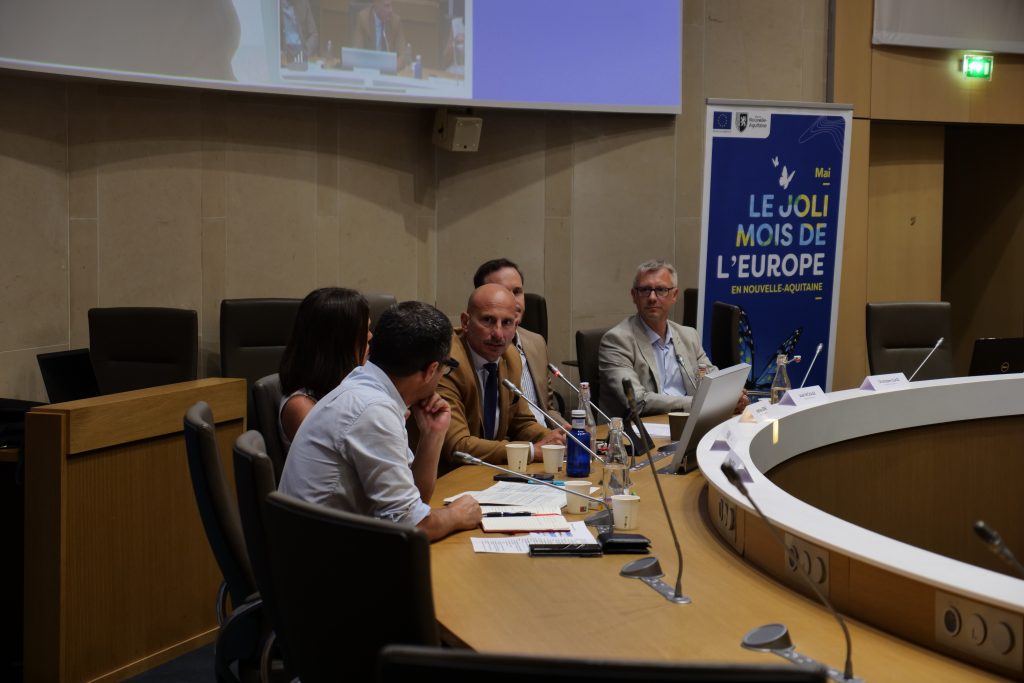
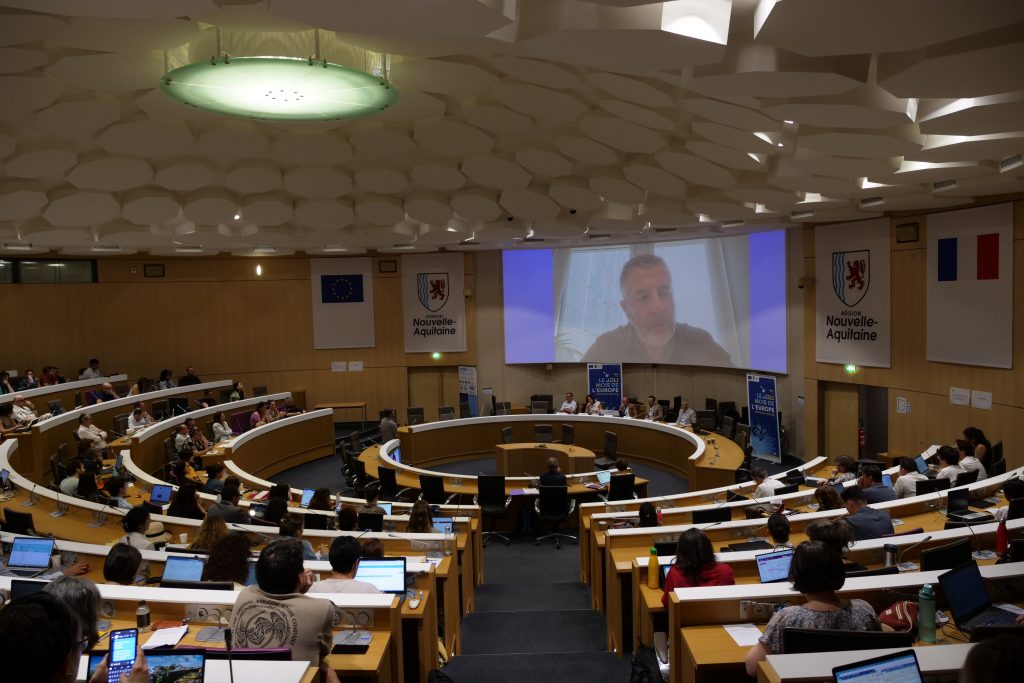
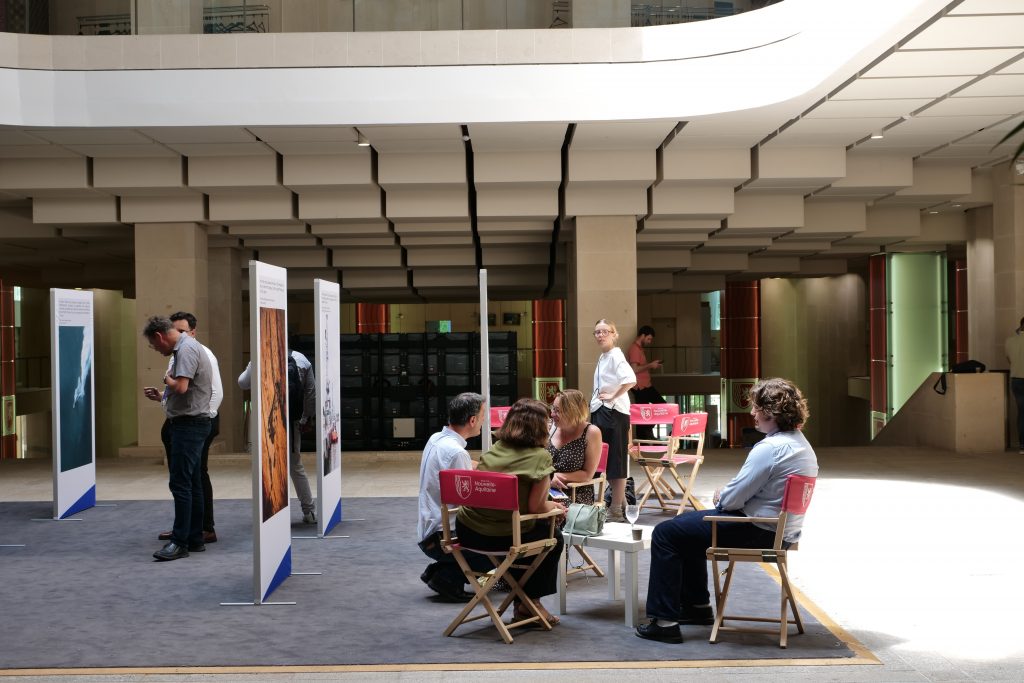
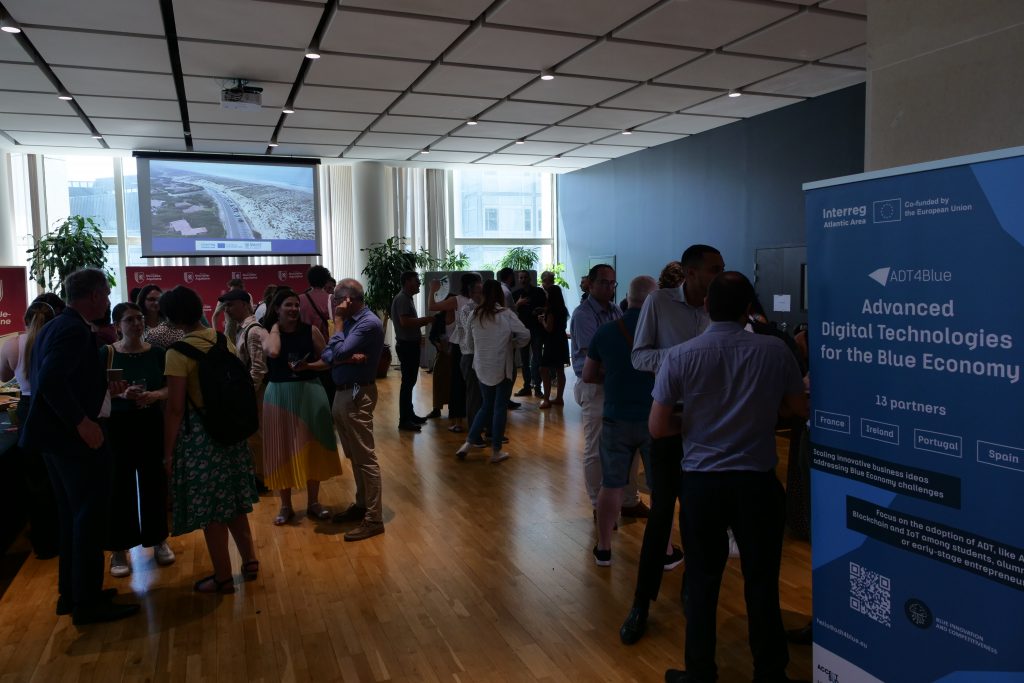
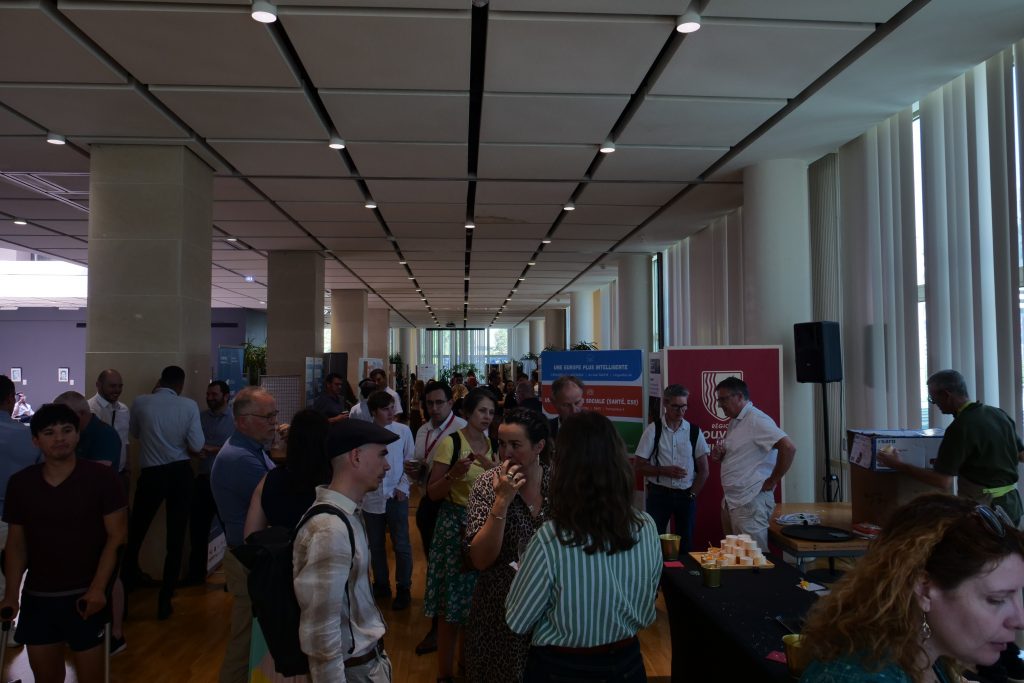
The meeting, held on May 27, 2026, at the Hôtel de Région in Bordeaux, France, brought together project promoters, institutional representatives, and local stakeholders to discuss the actions promoted by ETC and reflect on future challenges and opportunities for European territories.
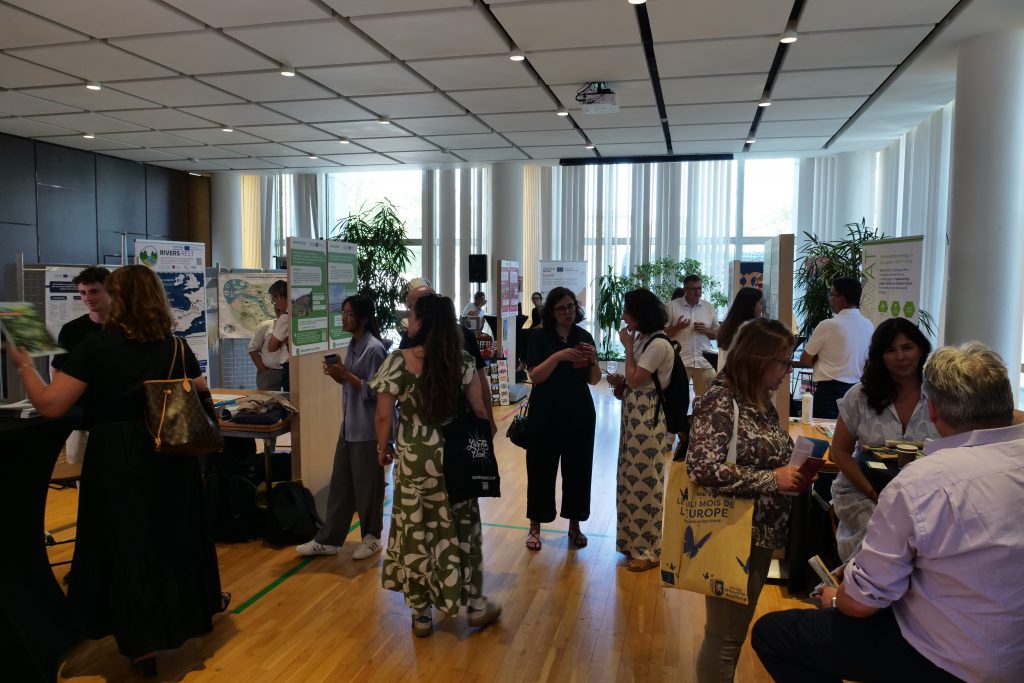
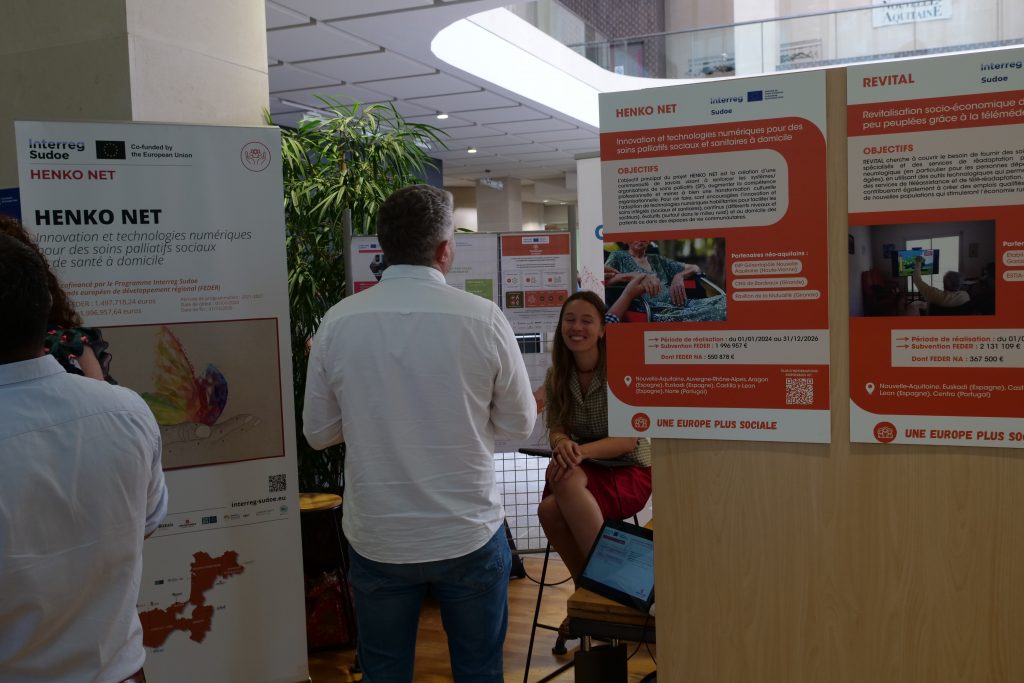
In this context, the REVITAL project was selected to participate in the seminar’s project forum, with its own stand to present its objectives, progress, and results. REVITAL’s presence in this space has provided an important opportunity to give international visibility to the work carried out by the consortium and to share experiences with other European stakeholders involved in territorial cooperation initiatives.
REVITAL, in New Aquitaine
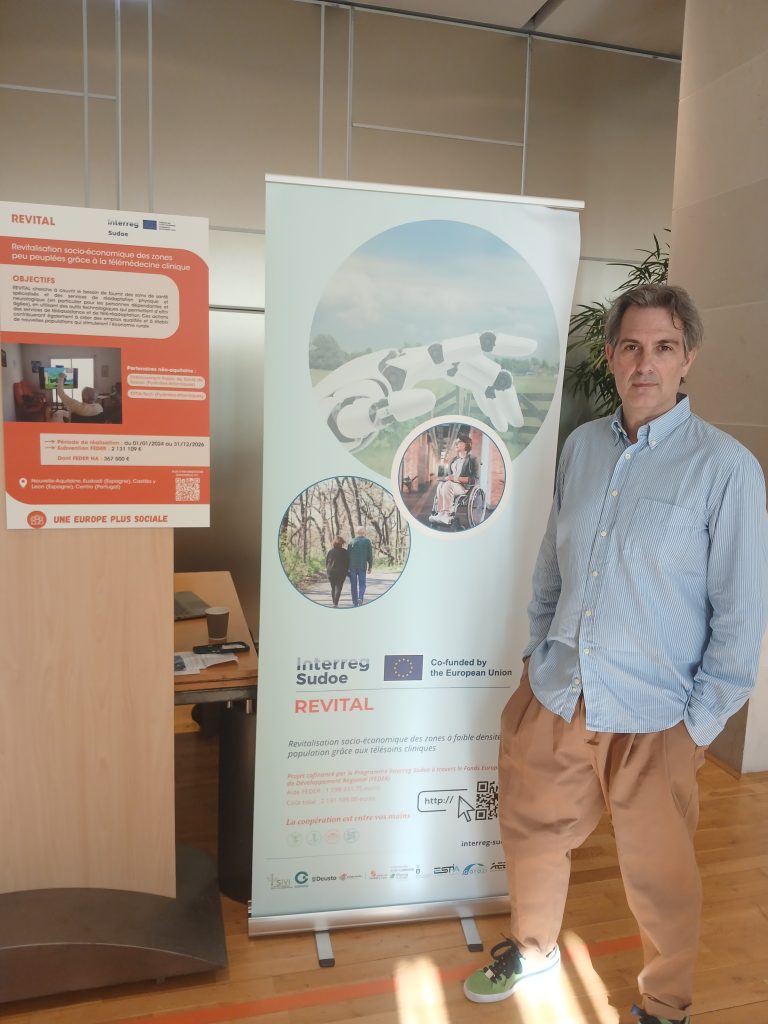
REVITAL was created to address one of the major challenges facing the SUDOE region: depopulation and the aging of rural areas. Regions such as Castile and León, Beira Baixa (Portugal), and the French Basque Country have been facing a progressive social and economic decline for years, stemming from population loss and a lack of specialized services, especially in the healthcare and social services sectors.
The COVID-19 pandemic further highlighted the difficulties these territories face in guaranteeing adequate care for the elderly and dependent. In response to this situation, REVITAL is committed to an innovative strategy based on the development of advanced healthcare, physical rehabilitation, and neurological care services using telehealth and telerehabilitation technologies.
The project not only aims to improve the quality of life for people living in rural areas, but also to generate new opportunities for skilled employment, attract residents, and contribute to boosting the local economy. In this way, REVITAL promotes a sustainable development model that combines technological innovation, social cohesion, and the strengthening of rural areas.
ESTIA’s participation in this European seminar reinforces the organization’s commitment to cross-border cooperation and to the search for innovative solutions that contribute to the well-being and balanced development of rural territories in the SUDOE region.