
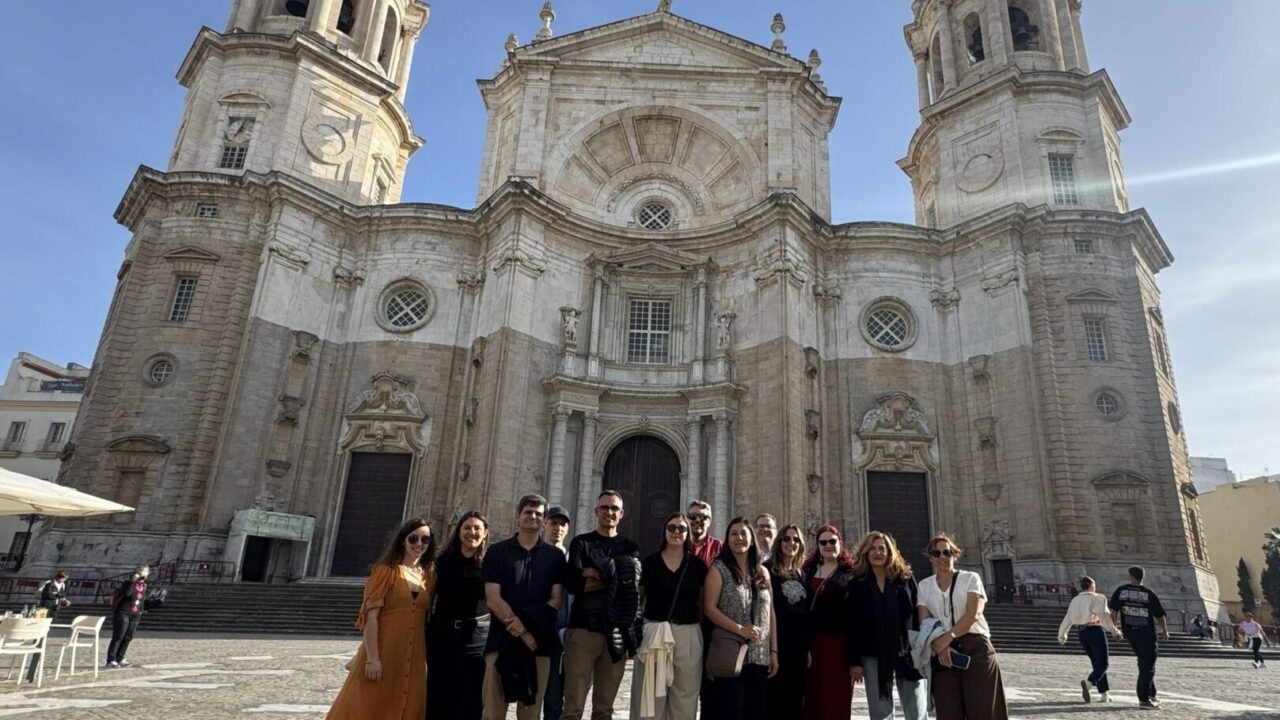
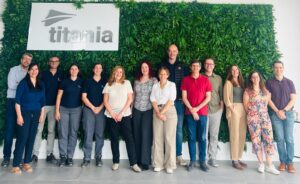
Cádiz hosted a new meeting of the RESINSURF project consortium, held at the facilities of TITANIA, consolidating its role as a key location for the technical and strategic monitoring of this European initiative focused on the sustainability of surface treatments.
During the meeting, partners of the RESINSURF project shared the latest progress in the development of innovative solutions aimed at eliminating hexavalent chromium in electrochemical processes. This challenge, highly relevant for the metal finishing industry, continues to guide the joint work of the consortium, which is committed to safer, more efficient, and environmentally friendly technologies. Technical exchanges among participants enabled the comparison of results, identification of common challenges, and definition of next steps for validating these solutions under real operating conditions, a key aspect for their future industrial implementation.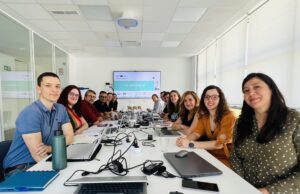
The meeting also highlighted the importance of multidisciplinary collaboration and the role of each partner in advancing the project, from the development of materials and processes to the assessment of their technical and environmental feasibility. This comprehensive approach reinforces the objective of RESINSURF to contribute to the transition towards a more sustainable industry, aligned with regulatory requirements and circular economy principles.
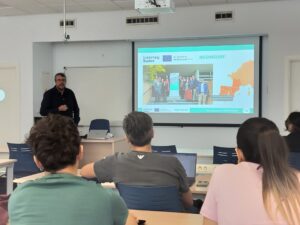 Taking advantage of the consortium’s visit to southern Spain, a training activity was also organised at the University of Cádiz for PhD students. The session, practical and interactive in nature, featured contributions from Rosalina Pérez and Georgina Faura Muñoz, researchers at CIDETEC Surface Engineering, together with Pedro Javier Astola González from TITANIA. During the session, the speakers shared their experience in surface engineering and the challenges associated with replacing hexavalent chromium, fostering dialogue and interaction with attendees.
These types of training initiatives reinforce the project’s commitment to knowledge transfer and the training of new generations of researchers, which are essential to ensure the continuity of innovation in the sector.
With this new meeting, RESINSURF continues to make coordinated progress towards the development of technological solutions capable of transforming current industrial processes, promoting safer, more sustainable alternatives adapted to future challenges.