
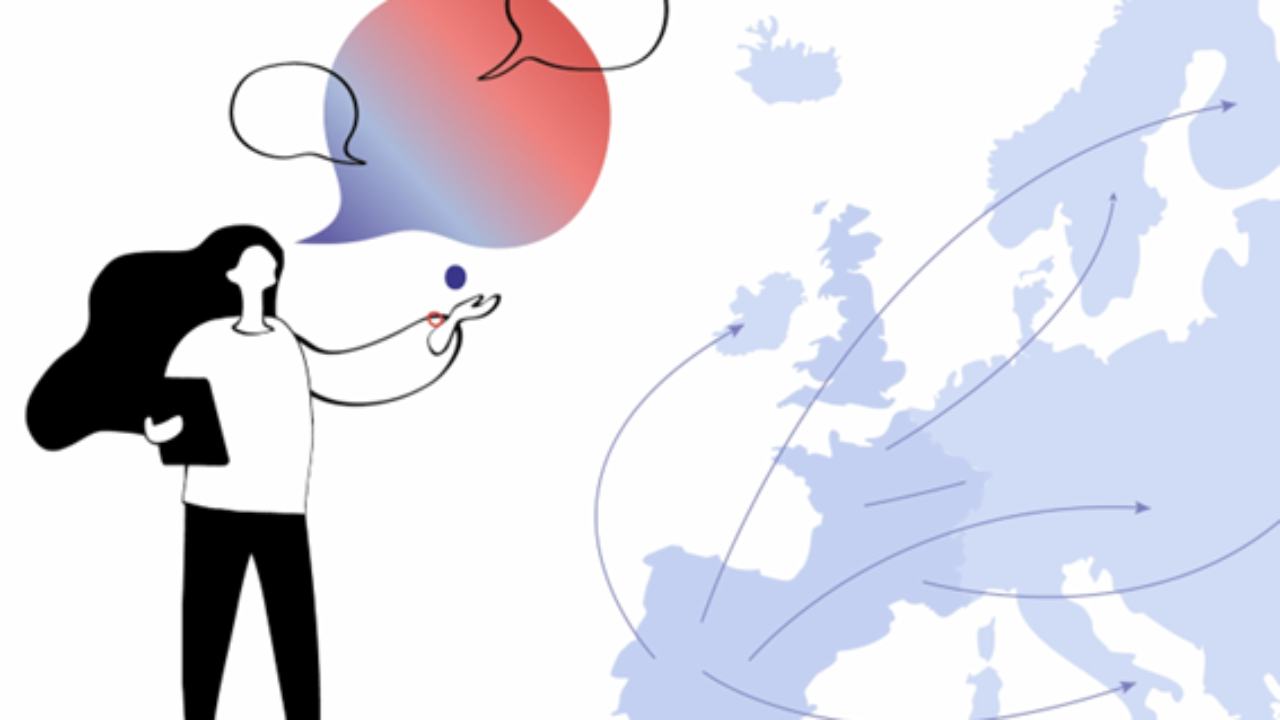
- The article presents the MAG-SUDOE strategy, the first transnational genetic counselling supervision initiative jointly promoted by Spain, France and Portugal to enhance professionals’ well-being and improve the quality of genetic services.
The European project MAG-SUDOE has taken a new step forward in its mission to strengthen genetic services across Southwestern Europe with the publication of the scientific article “Implementing genetic counselling supervision in southwestern Europe: the MAG-SUDOE programme” in the Journal of Community Genetics. The paper describes the implementation of the first transnational Genetic Counselling Supervision (GCS) initiative involving Spain, France and Portugal, with the aim of improving professionals’ resilience and enhancing the quality of care provided to patients and families.
Advances in personalized medicine and the growing integration of genetics into clinical practice have increased the demand for specialized services. However, professionals providing genetic counselling face increasingly heavy workloads and emotionally complex clinical situations. In this context, genetic counselling supervision is emerging as a key tool to promote reflective practice, prevent professional burnout and support the continuous improvement of services.
A coordinated response to a shared challenge
This programme report explains how MAG-SUDOE has developed a joint response to a reality shared by the three participating countries: a shortage of specialized professionals, unequal recognition and implementation of the genetic counsellor profession, and the widespread lack of structured supervision programmes. While France is the only one of the three countries where the profession is formally recognized, significant barriers to its development remain in both Spain and Portugal.
To address this situation, the project followed a multi-phase methodology. First, existing practices in Spain and France were analysed, as the portuguese mapping of this context had been conducted previously, and the results of a pilot action of genetic counselling mentoring conducted in Portugal were incorporated. Building on this foundation, teams from the three countries co-designed a common intervention tailored to the real needs of genetics professionals.
The programme is currently being delivered through online supervision groups involving clinical geneticists, genetic counsellors and other professionals engaged in genetic care. Participants take part in a structured supervision programme with the guidance of a trained supervisor consisting of ten monthly sessions of 90 minutes each, during which they discuss clinical cases, ethical dilemmas and professional experiences within a supportive environment focused on reflection and shared learning.
Promising early results
Although the programme is still ongoing, the article reports very positive findings from the previous phases. The pilot experience conducted in Portugal demonstrated high feasibility and strong acceptance among participants, who showed a high level of engagement despite the demands of their daily clinical work.
Studies conducted in Spain, France and Portugal have also highlighted professionals’ interest in having access to structured spaces for support and reflection, as well as the potential consequences that the lack of such tools can have on professional well-being and quality of care.
The authors further note that the first indicators from the transnational programme show high levels of participation and commitment among professionals, reinforcing the potential of supervision as an effective instrument for strengthening genetic services across the region.
Main conclusions
The publication concludes that MAG-SUDOE represents the first coordinated transnational effort to implement genetic counselling supervision across Southwestern Europe. The project has demonstrated the value of international and multidisciplinary collaboration in addressing common challenges and laying the foundations for a sustainable model that can be transferred to other regions.
Among its main contributions are:
• The creation of a collaborative network between Spain, France and Portugal to develop a shared supervision model.
• The generation of scientific evidence on the feasibility and potential impact of genetic counselling supervision.
• The promotion of recommendations and strategies to integrate these programmes into national healthcare systems.
• A contribution to professional well-being, the prevention of burnout, patient safety and the improvement of care quality.
Looking ahead, the project includes actions such as a Train-the-trainers course to instruct new supervisors and develop an evidence-based strategy to ensure the sustainability and wider implementation of this model across the entire SUDOE region.