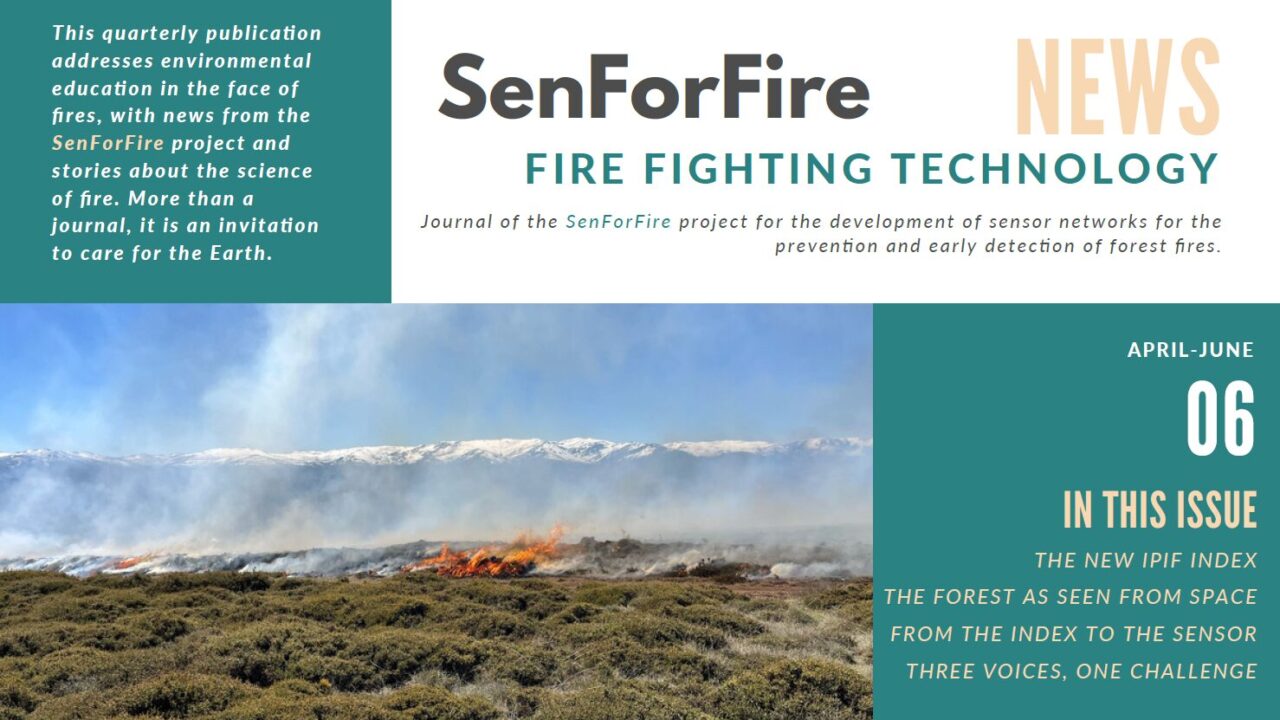
Wildfires have once again struck several regions of Spain and France, forcing the evacuation of thousands of people. Some of these fires have also claimed human lives, and our first thoughts are with those affected, their families, and the emergency crews working tirelessly on the ground to contain the flames.
Beyond the immediate emergency response, it is important to remember that prevention begins long before the first fire breaks out.
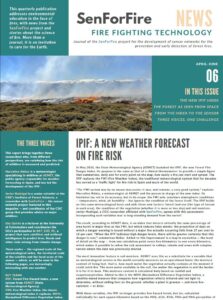
Our upcoming magazine is not about the wildfires themselves, but about the work carried out throughout the year to anticipate and reduce the risk. We explore AEMET’s new IPIF Fire Danger Index, which for the first time incorporates the actual condition of vegetation and soil moisture—not just meteorological data. We also look at RAT_EOS_PC’s satellite-based monitoring system, which integrates additional variables such as topography and proximity to infrastructure, and SenForFire’s field sensors, capable of detecting gases and smoke within the first minutes of a wildfire.
Marcelino Núñez (AEMET), Javier Madrigal (CSIC/SenForFire), and Elia Quirós (University of Extremadura) also explain a lesser-known challenge: how to calibrate these systems using historical data when the climate no longer behaves as it once did, and why technology alone is not enough unless it reaches the municipalities with the fewest resources.