
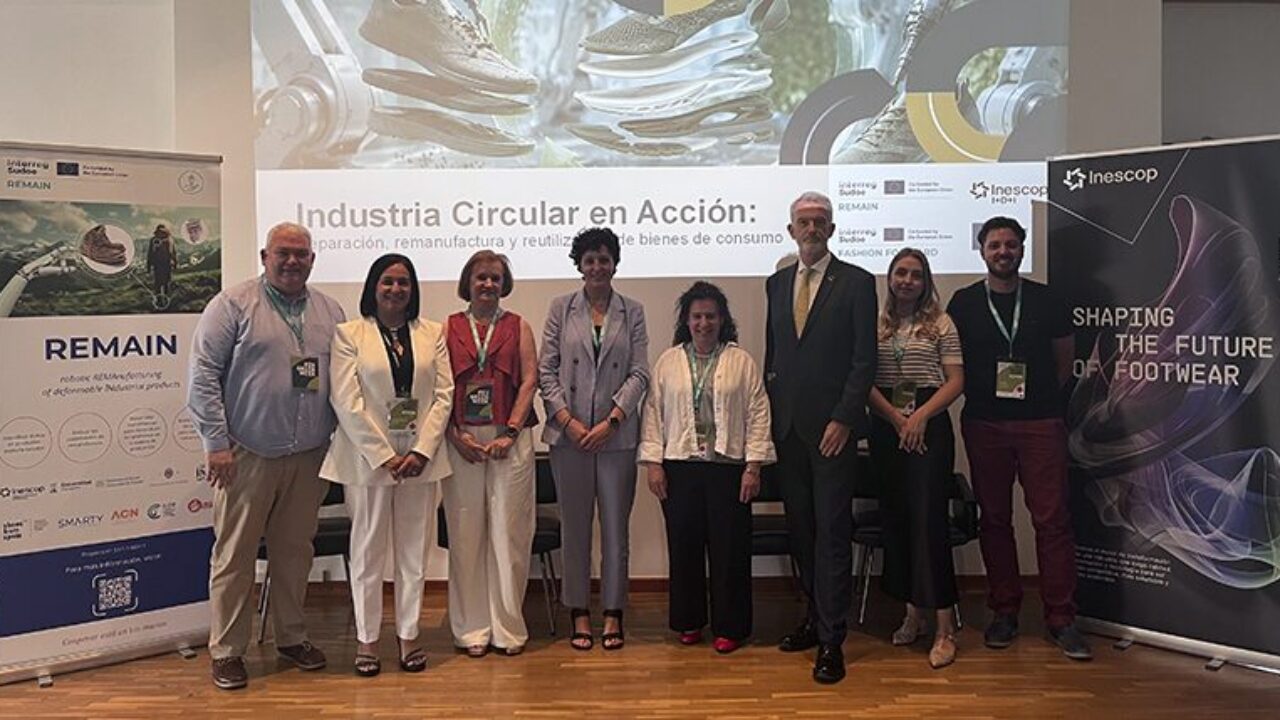
The event “Circular Industry in Action: Repair, Remanufacturing and Reuse of Consumer Goods”, organised by Inescop within the framework of the EU Green Week 2026, brought together specialists, companies and key actors from the innovation ecosystem to analyse the role of circularity in the future of industry.
The session focused on the challenges and opportunities offered by repair, reuse and remanufacturing as tools to reduce waste, optimise resources and generate new business opportunities. The event attracted almost 60 registered participants, including both in-person attendees and those who were able to follow the session online from different countries.
The event also provided an opportunity to present the progress and results achieved within the framework of REMAIN, coordinated by Inescop, a project aimed at introducing the concept of remanufacturing into traditionally manufacturing sectors dedicated to the production of consumer goods. In addition, FASHION FORWARD, led by MODACC, was also presented. This project addresses the main challenges faced by the textile and fashion industry in the European Union in light of the requirements of the European Green Deal, particularly regarding the more sustainable, efficient and circular management of textile waste.
The opening session was led by Paqui Arán, Director of Inescop’s R&D&I Department, who highlighted the importance of developing innovative solutions aligned with industry needs and environmental challenges. She was joined by Isabelle Roger, Director of Interreg Sudoe, who emphasised the value of European cooperation as a driver for sustainable solutions.
Remanufacturing for a more sustainable industry
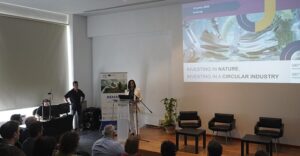
One of the highlights of the event was the presentation by David Fitzsimons, Director of the European Remanufacturing Council, who addressed the potential of remanufacturing to transform current production and consumption models. During his speech, he stressed the need to move towards products designed to last, be repaired and be refurbished, thereby extending their useful life and reducing the consumption of raw materials. He also underlined that a commitment to quality is a key element in enabling this transition towards a more circular economy, breaking away from the “buy, throw away and buy again” dynamic in order to implement remanufacturing.

The session also showcased the progress made by REMAIN, an initiative that combines sustainability, robotics and innovation with the aim of facilitating repair and remanufacturing in manufacturing sectors such as footwear. María Dolores Fabregat, Head of Automation and Robotics at Inescop, presented the technological tools and developments promoted within the project to reduce waste through remanufacturing, helping to extend the useful life of footwear.
Ecodesign, data and regulation: key factors for circularity
The programme also brought together experts from different organisations who addressed strategic aspects for moving towards an effective circular economy. Lídia Morcillo, from MODACC, presented the objectives of the Interreg Sudoe Fashion Forward project, which focuses on rethinking the future of the fashion industry from a sustainable perspective. Julia Villaplana, from FICE, explained the key aspects of ecodesign applied to footwear and shared some of the recommendations included in the ecodesign guide developed within the REMAIN project, designed to help both manufacturers and consumers make more sustainable decisions.
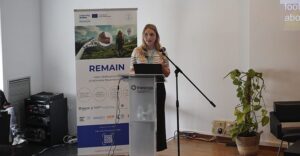
From Inescop, researcher Adrián Amat highlighted the need for verifiable indicators that make it possible to objectively measure the environmental impact of products and organisations, preventing greenwashing practices and supporting data-driven decision-making. Afterwards, Amalia Cuenca presented the progress of the European ECOSTEP project, aimed at promoting common ecodesign and sustainability frameworks for the footwear industry.
The regulatory dimension was addressed by Salomé Beneyto, Manager of ATEVAL, who reviewed the new European requirements related to ecodesign, traceability, the Digital Product Passport and extended producer responsibility. She also stressed the need to support SMEs throughout this transition towards more sustainable business models.
A space to share challenges and opportunities
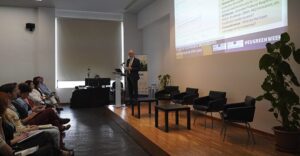
The event concluded with a round table featuring representatives from Inescop, Proyecto Lázaro, MODACC and ATEVAL. During the discussion, participants analysed some of the main challenges involved in promoting remanufacturing, including the need to strengthen the competitiveness of European industry, foster collaboration between organisations and raise consumer awareness of the value of sustainable products.
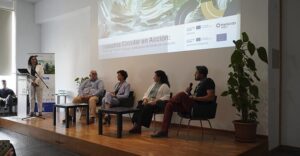
Held at Inescop as part of the activities of the REMAIN project, the event highlighted that repair, reuse and remanufacturing have become essential pillars for building a more efficient and resilient industry, aligned with European circular economy objectives and the regulatory requirements increasingly shaping the market.