Following its first year of activity, the European Soil&WineResidues project has completed the initial assessment of its pilot areas and launched TERRAVITIS and ECOLAB, its two experimental lines aimed at improving soil health and valorising lignocellulosic residues generated by the wine sector.
During its first year of implementation (June 2025 to May 2026), Soil&WineResidues moved from planning to establishing a shared foundation of knowledge, coordination and experimentation to support progress towards a more circular and eco-efficient wine sector across the SUDOE area.
One of the main tasks carried out was the initial assessment of vineyard soil conditions, the management of lignocellulosic residues, pesticide use, and the main technical, legal, environmental, economic and social factors that may influence the transition towards more sustainable models.
This work helped build a shared understanding across the participating regions of Spain, France and Portugal and laid the foundations for the next stages of the project.
Solutions tailored to the needs of each territory
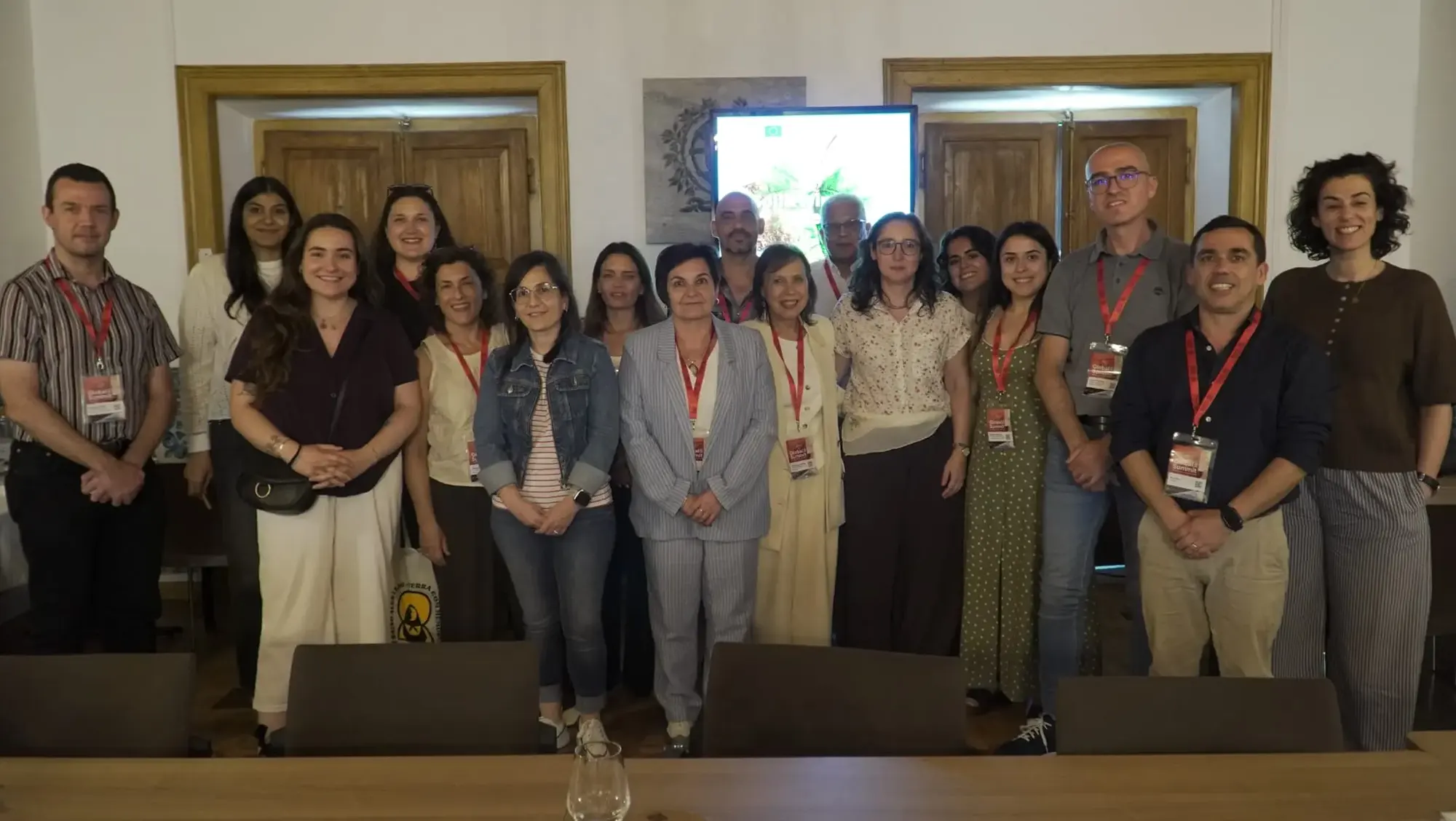
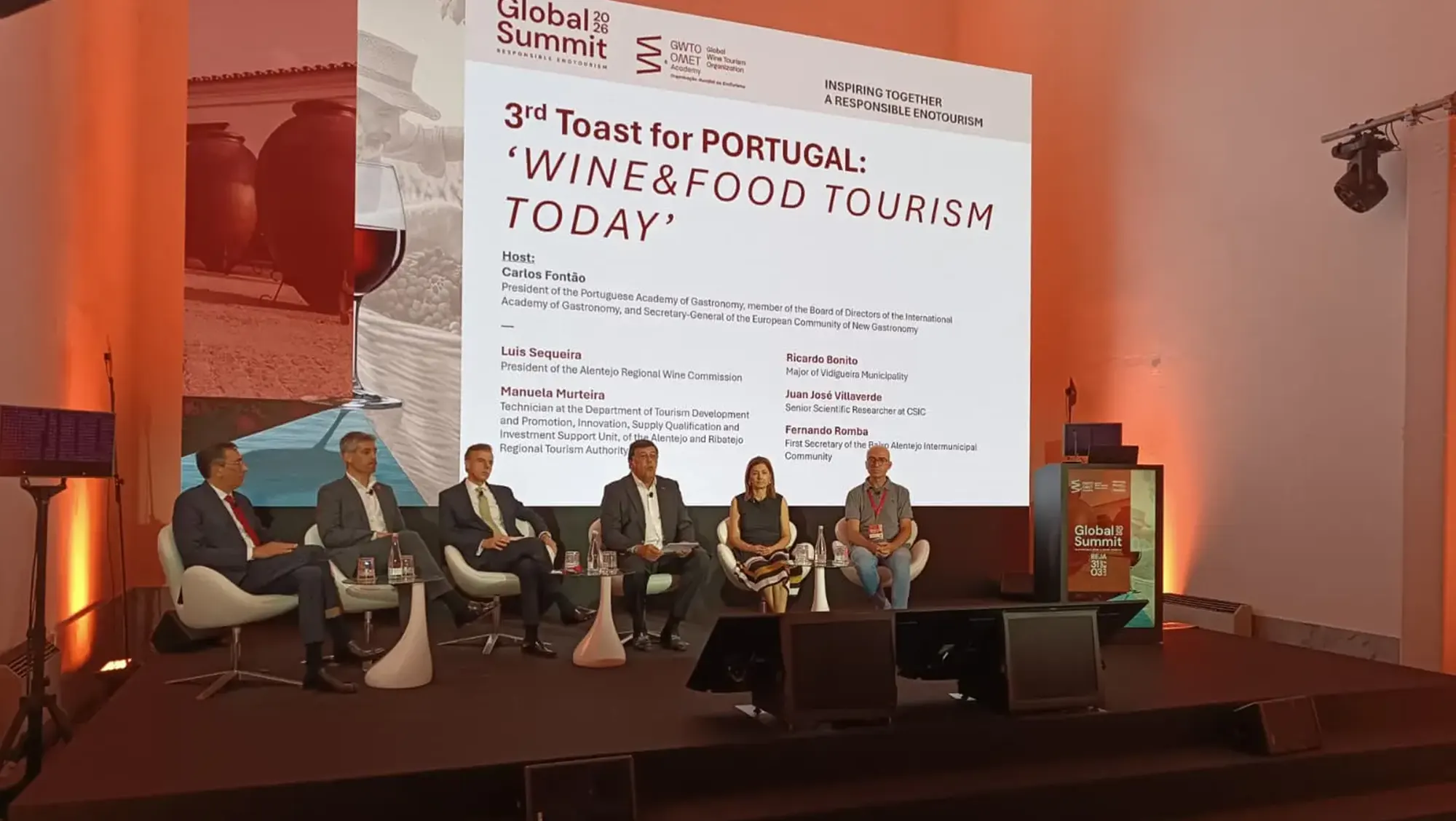
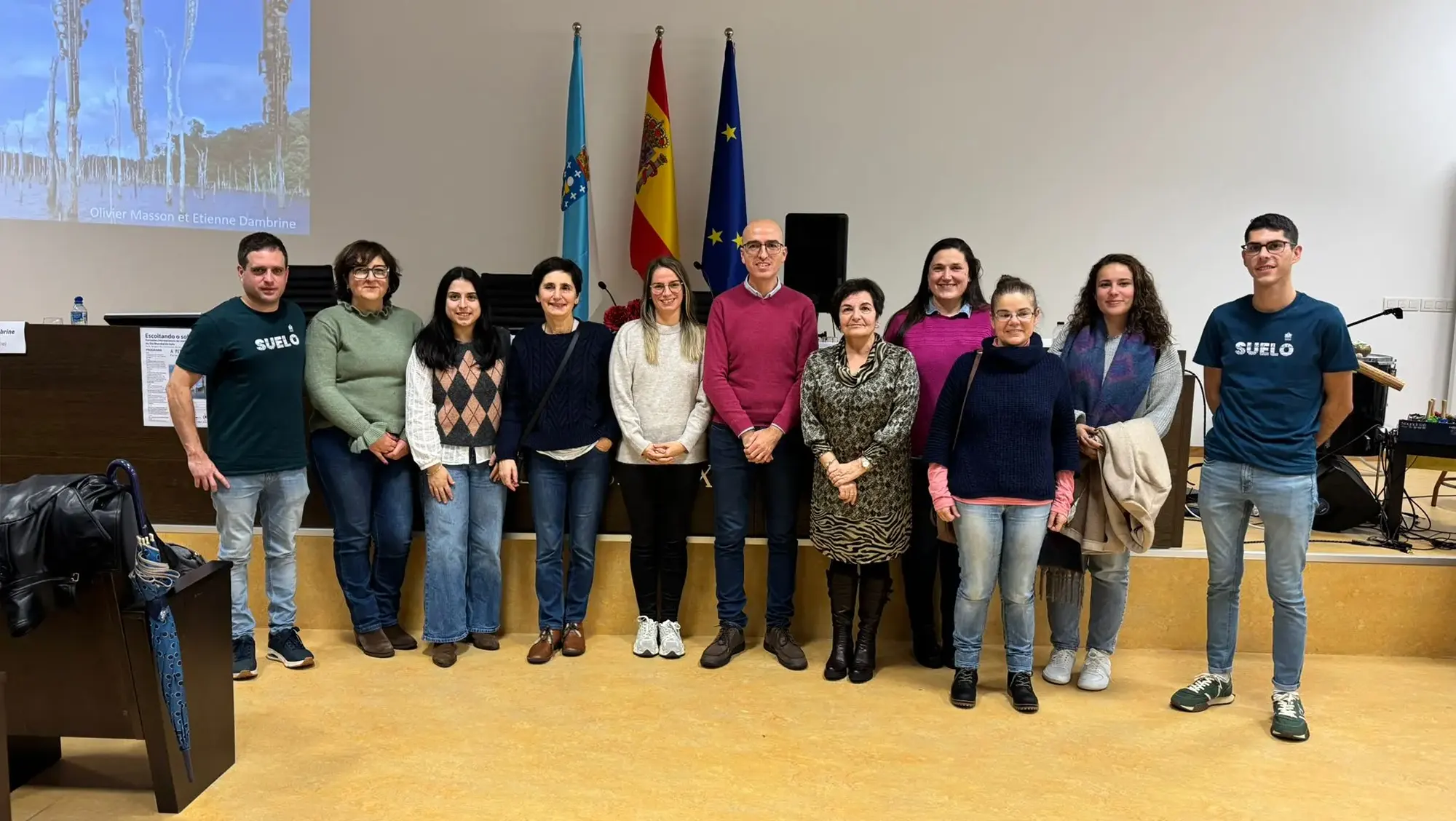
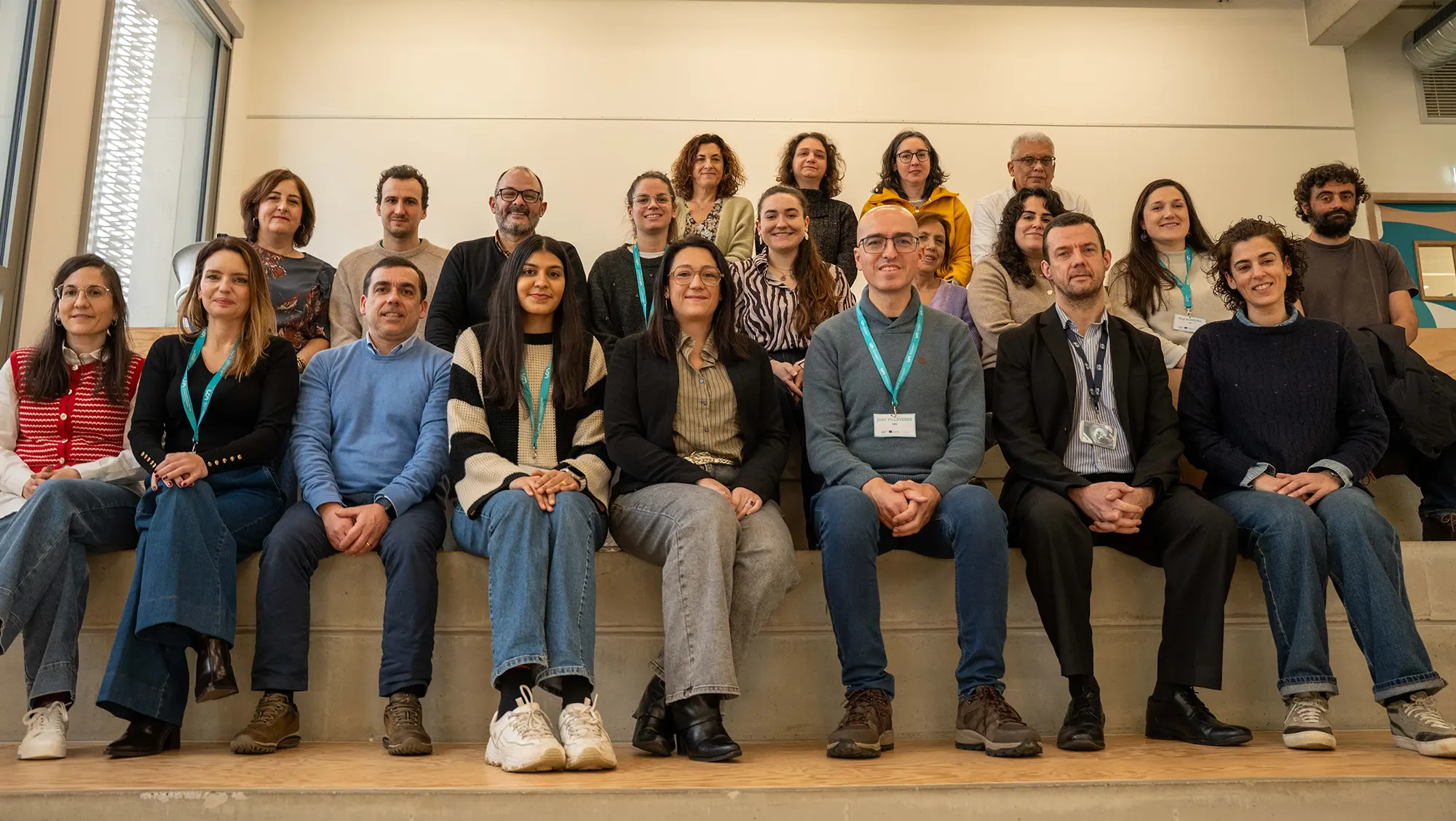
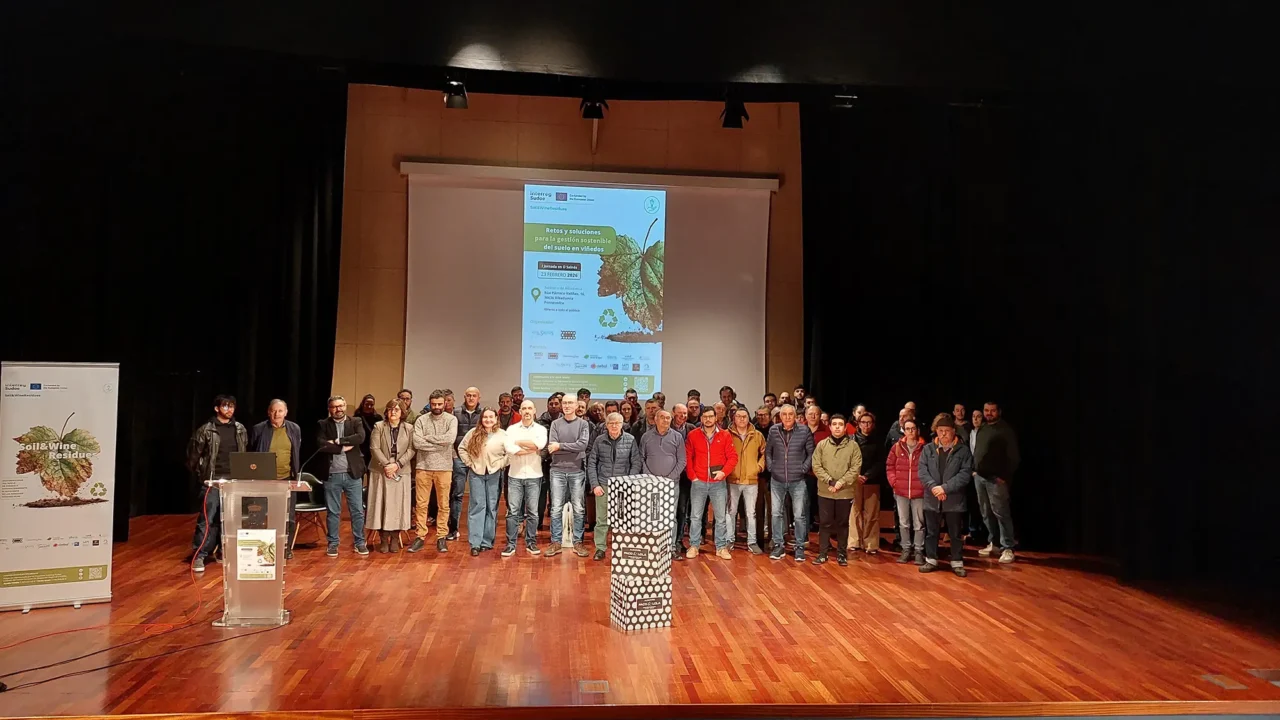
The technical assessment was complemented by the direct involvement of local stakeholders through surveys, seminars and in-person participatory sessions held in the project’s three pilot areas: O Val do Salnés in Spain, Gaillac in France and Beja in Portugal.
The information gathered provided first-hand insight into the needs and priorities of winegrowers, wineries, public authorities and other organisations connected to these territories.
Although the three areas share common challenges, the process also highlighted their different needs and priorities. In O Val do Salnés, particular emphasis was placed on biomass management, soil improvement and reducing the impacts associated with plant protection treatments. In Beja, greater importance was attached to climate change adaptation, soil fertility and resource-use efficiency, while in Gaillac there was particular interest in innovation, waste valorisation and the development of higher value-added products.
These differences reinforce one of the central approaches of Soil&WineResidues: working with a common methodology at transnational level while developing solutions that can be adapted to the characteristics and needs of each winegrowing territory and the people who manage it.
The participatory activities also helped identify issues extending beyond strictly technical considerations. For example, during the meeting held in O Val do Salnés, plant protection management prompted extensive discussion about the need for treatments, their effectiveness, regulatory changes, the availability of alternatives and the coexistence of winegrowing activities and residential areas. Among other issues, participants called for clearer information, practical training and sufficiently validated alternatives before their implementation across the sector.
TERRAVITIS and ECOLAB pilots
Alongside the territorial assessment, during this first year the Soil&WineResidues consortium launched its two main experimental lines: TERRAVITIS and ECOLAB.
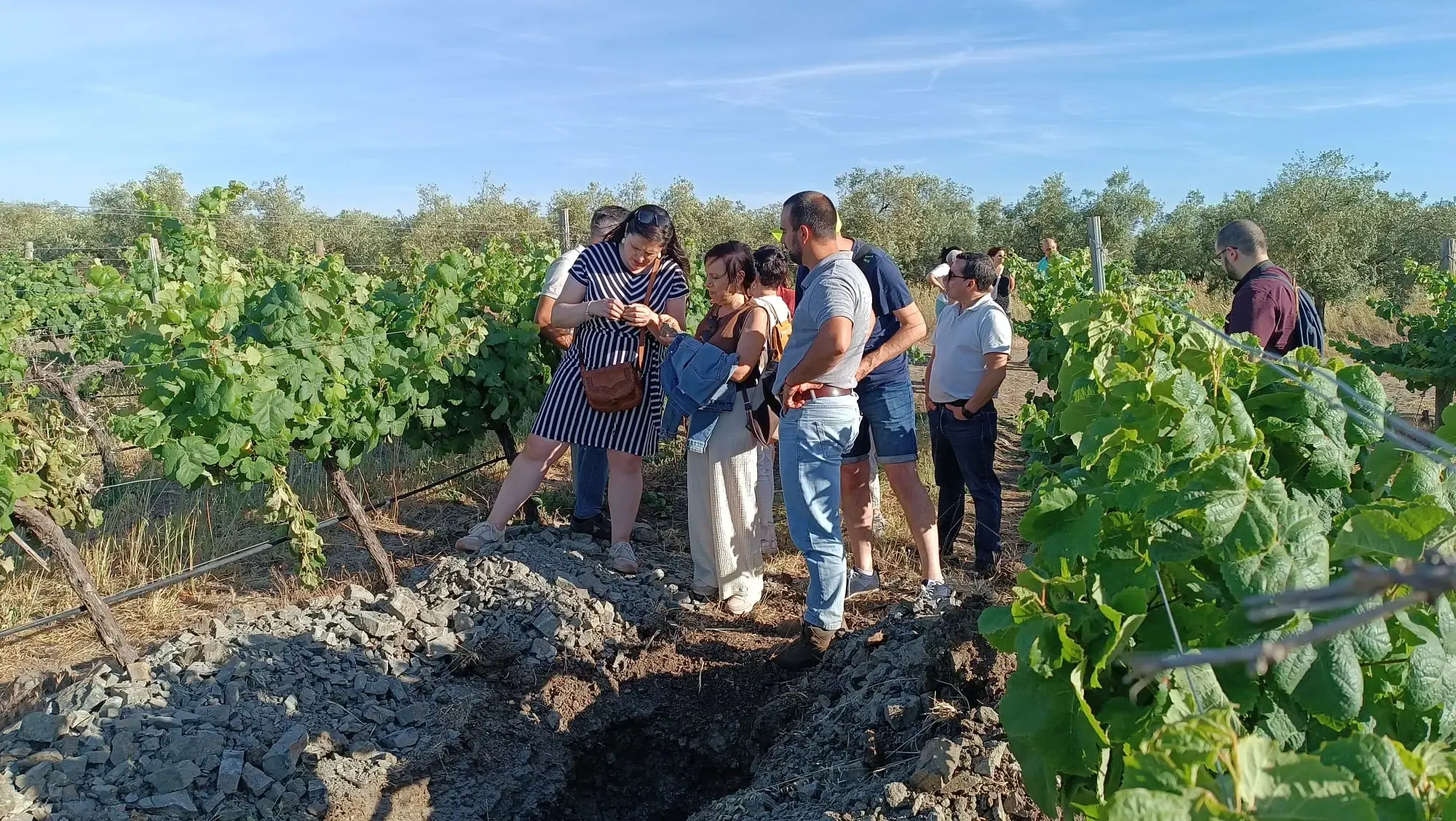
Within the TERRAVITIS pilot, initial soil sampling was carried out in experimental plots in Spain (Paco & Lola winery), France (Vinovalie) and Portugal (Herdade da Figueirinha). The samples were then prepared and distributed for physicochemical, ecotoxicological, pesticide and biological analyses. This work will provide a deeper understanding of the condition of vineyard soils in the study areas and generate comparable information across the three countries.
ECOLAB, meanwhile, focuses on exploring new opportunities for the lignocellulosic residues generated by winegrowing activities. During the first year, samples were collected from all three countries and subsequently prepared and conditioned — through freeze-drying and sieving — to begin different valorisation trials.
The options being studied include their use for biogas production, their application as amendments, and the extraction of fractions of interest for pharmaceutical applications and other higher value-added materials.
These activities enabled the partners to begin their assigned work using comparable samples, shared information and common methodological criteria, linking the territorial assessment with experimental work and the development of solutions applicable to the wine sector.
Looking ahead to the second year
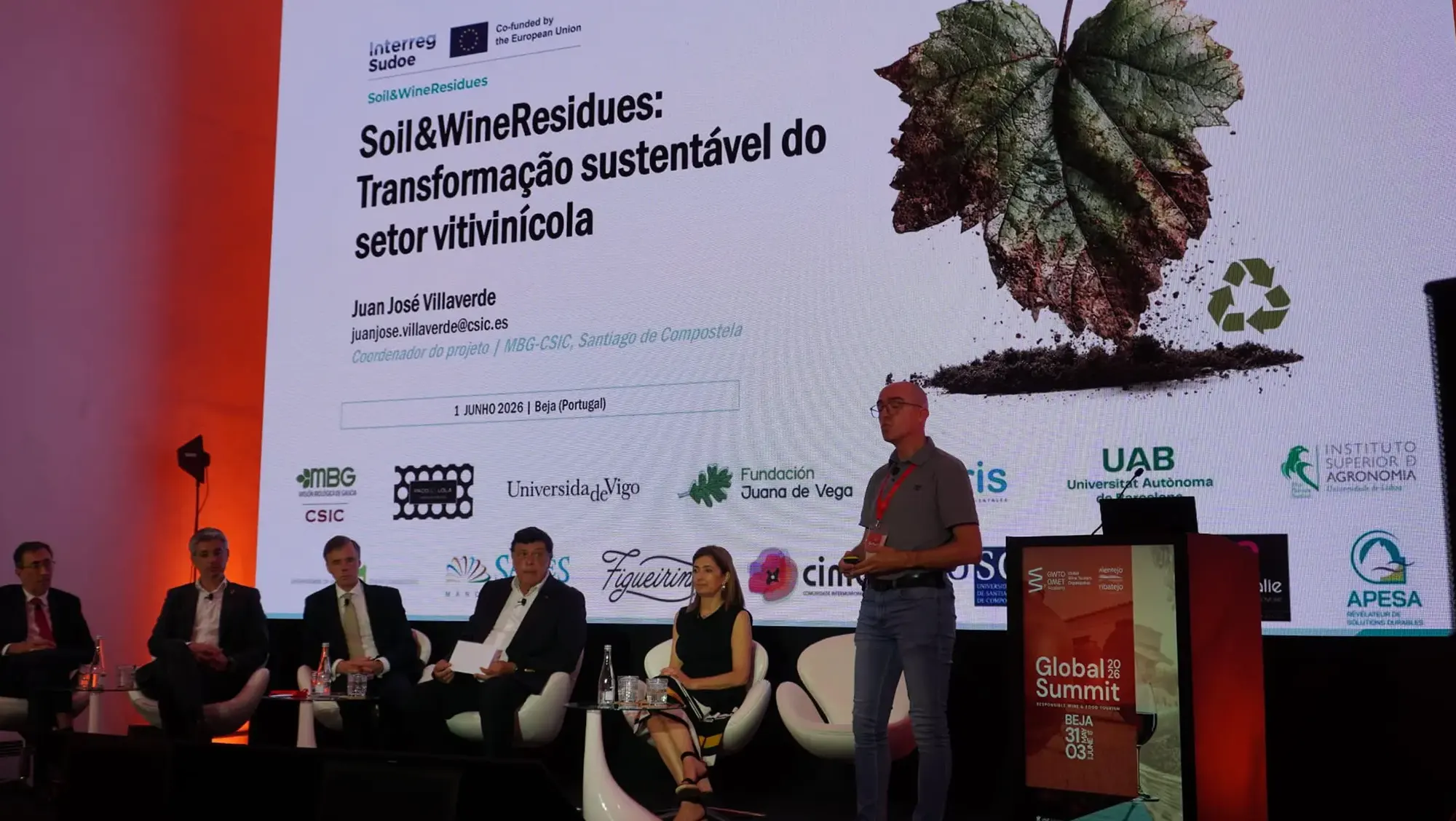
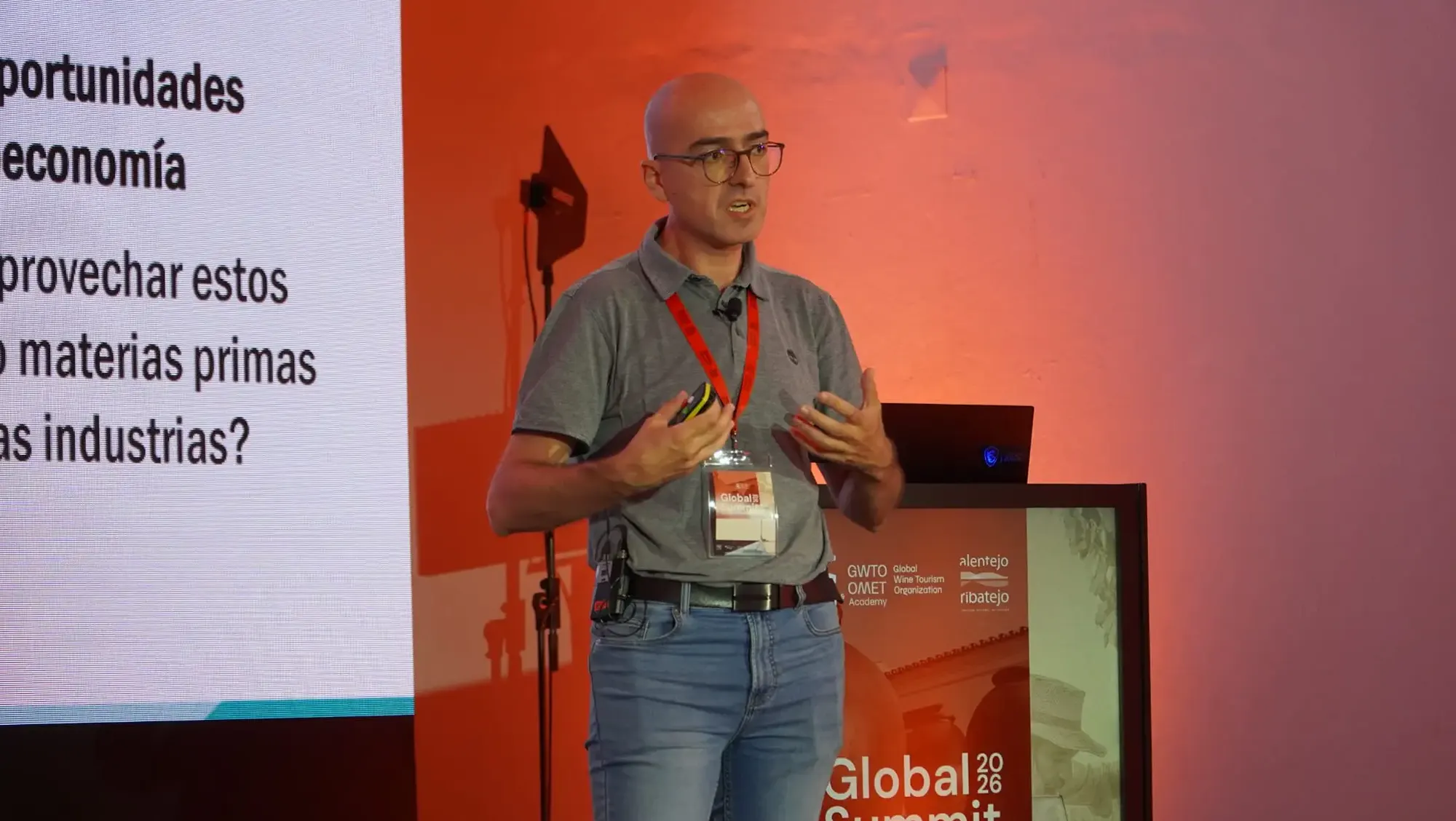
In addition to its technical and experimental work, during its first year the project carried out communication, knowledge-transfer and capitalisation activities through events, seminars, interviews, conferences, outreach videos, media coverage and social media.
The aim is to progressively bring the knowledge generated by the project closer to the different stakeholders in the wine sector and help ensure that the solutions developed can subsequently be transferred to the territories.
After its first year, the project has made positive progress. Soil&WineResidues now has a shared assessment, has activated its main experimental pilots and has established common mechanisms to coordinate the work of the participating organisations.
During its second year, from June 2026 to May 2027, the project will focus on consolidating the TERRAVITIS and ECOLAB pilots, further characterising soils, pesticides and residues, advancing common methodologies and strengthening the tools designed to transfer results to the sector.
The first results obtained from the pilots will also support the development of future good practices and strengthen links between Soil&WineResidues and other European initiatives related to sustainable viticulture, the circular bioeconomy, soils and rural innovation.
Overall, Soil&WineResidues activities are aligned with European priorities such as waste valorisation, reducing environmental impacts, soil health, climate adaptation and the transfer of innovative solutions to local territories. This is consistent with the 2030 Agenda, the European Green Deal, the Farm to Fork Strategy, the EU Soil Strategy for 2030 and the “A Soil Deal for Europe” Mission.
Soil&WineResidues is an applied innovation project promoted by a consortium of 15 organisations, led by the Misión Biológica de Galicia – CSIC and co-funded by the European Interreg Sudoe Programme. The project runs for three years, from 1 June 2025 to 31 May 2028.