Technical Advances
Paving the Way for Economic Innovation & Cost-Benefit Analysis
The economic foundation of the TARGET Strategy continues to gain momentum. Between February and June 2026, ECOFILAE kicked off the cost-benefit analysis under Activity A2.4 while continuing to support the project’s cross-cutting initiatives.
Meanwhile, CEREMA Centre-Est expanded its research capacity. In late May 2026, Délice, a master’s student in development economics from Clermont-Auvergne University, joined Catherine Franck-Neel and Alexis Clermontel to conduct expert interviews across agricultural economics and the circular economy.
Key Objectives of the Study:
- Identify economic levers to drive investment in wastewater reuse systems.
- Highlight crucial success factors for cooperation in industrial ecology.
- Status: Four expert interviews have already been successfully conducted.
Dordogne Catchment Area: Turning Strategy into Policy
In the Dordogne catchment area, EPIDOR, CEREMA, and ECOFILAE have been applying the TARGET methodology to build a comprehensive plan to prevent water shortages using Non-Conventional Water sources (NCW), including treated wastewater, roof runoff, and industrial process water.
Following three initial diagnostic workshops in early 2026, a fourth workshop was held in July alongside the Adour-Garonne Water Agency and DREAL to define concrete implementation policy levers:
- Financial Incentives: Conditioning financial aid on completing REUT feasibility studies for new wastewater treatment plant projects.
- Regulatory Mandates: Integrating local obligations to use NCW into urban planning regulations.
- Regional Monitoring: Establishing a basin-wide Non-Conventional Water Observatory.
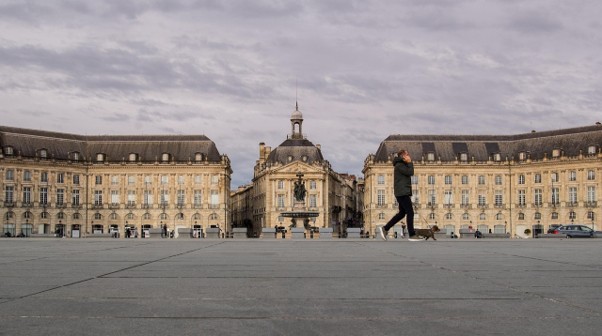
Save the Date!: The final plan will be officially presented on November 3, 2026, in Bordeaux during the French national dissemination seminar.
Smart Sensors and Multi-Criteria Tools for Nature-Based Solutions
From February to June 2026, UPC focused heavily on real-time data acquisition, gathering water quality parameters via online sensors installed at the Granollers wetland and reclamation plant system (GT2).
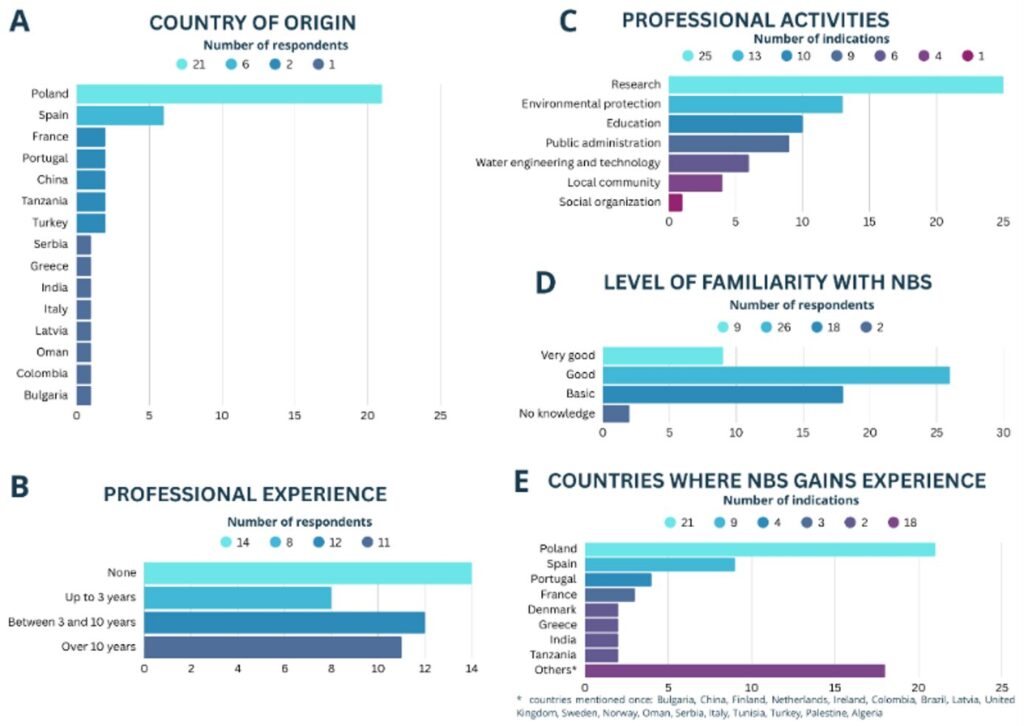
In parallel, UPC enhanced decision-making tools for Nature-Based Solutions (NbS) by developing an Analytic Hierarchy Process (AHP) framework. The team conducted an international survey involving 45 professionals and stakeholders across 15 countries to evaluate criteria such as pollution reduction, costs, adaptability to grey infrastructure, space requirements, and environmental co-benefits.
- Key Finding: Prioritization of NbS options varies significantly depending on participants’ regional contexts and backgrounds, underscoring the need for participatory, multi-criteria decision-making in water reuse strategies.
- What’s Next? A scientific paper detailing these findings is currently in preparation
Granollers Advances Its Local Circular Water Program (PLAC)
Granollers is taking decisive steps to optimize alternative water resources and prepare the municipality for future drought events under its Local Circular Water Program (PLAC).
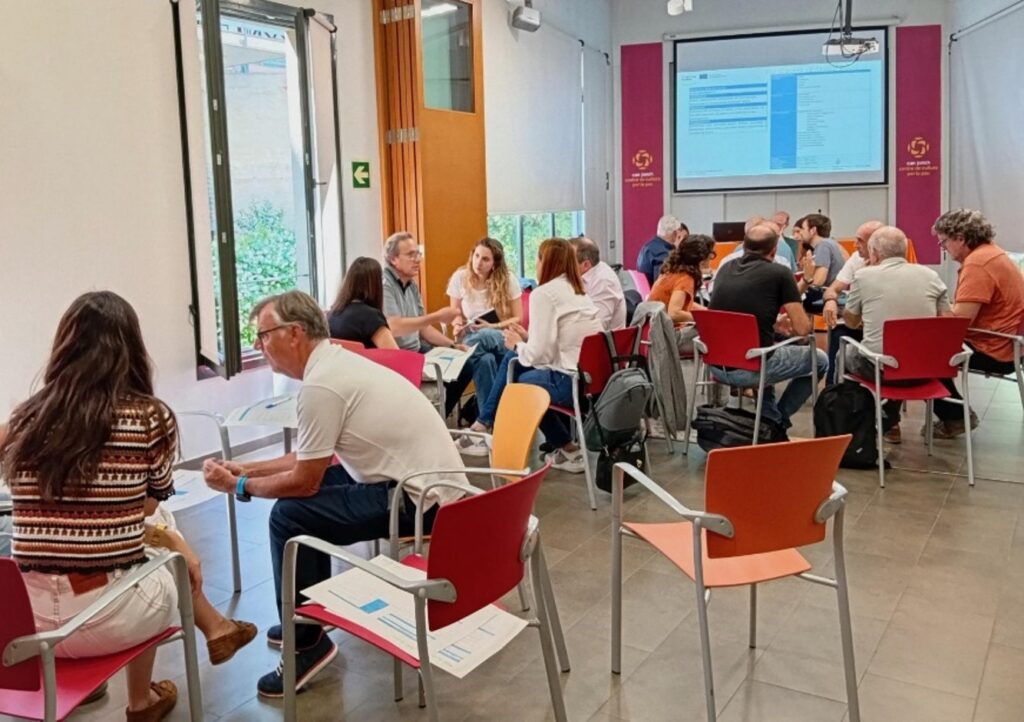
Recently, the city hosted its second participatory workshop at Can Jonch, gathering around 20 key actors from municipal technical services, the Consorci Besòs Tordera, the Catalan Water Agency (ACA), Diputació de Barcelona, universities, and water sector companies to refine the program’s strategic roadmap.
Strategic Focus Areas:
- The “Circular Water” Concept: Establishing a clear roadmap to maximize non-conventional water sources—primarily reclaimed water and groundwater.
- Upgrading Can Cabanyes: Enhancing the filtration system at the Can Cabanyes Water Reclamation Plant to boost production capacity.
- Urban Network Extension: Expanding the urban reclaimed water pipeline by an additional 2 kilometers toward the city center (building on the 13 km built through 2025) to supply green spaces like the Connecta Congost Natura 2025 project and Sant Esteve Avenue.
- Investment Plan to 2030: Securing multi-source funding through TARGET Interreg SUDOE, Med-IREN Horizon Europe, PUOSC, and municipal budgets to guarantee long-term climate resilience.
Cross-Border Water Governance & Knowledge Transfer
AMAYA completed significant milestones between February and July 2026, submitting two major deliverables detailing water governance and scarcity management across France, Spain, and Portugal (Deliverables E.1.2.3 and E.1.2.5).
As part of GT3 (Transferability & Replicability), AMAYA actively monitored progress on social acceptability (A3.2) alongside UCM and UPC.
Major Highlights:
- Madrid Dissemination Seminar: On June 18, 2026, AMAYA co-organized the exchange seminar “Water reuse in the TARGET strategy: building sustainable and accepted solutions across the SUDOE region” during the prestigious Reuse Euro Med International Congress in San Fernando de Henares (Madrid).
- Stakeholder Mapping: Developed and distributed a standardized template across the partnership to compile the target list of stakeholders (E 3.1.3) for upcoming strategy transfer surveys.
TARGET together!
Two Intensive Days Advancing Water Reuse Across the SUDOE Region in Barreiro, Portugal
The TARGET project team gathered in Barreiro, Portugal, for a two-day consortium meeting dedicated to evaluating technical progress, sharing lessons learned, and defining the roadmap for sustainable water reuse.
Co-organized by Câmara Municipal do Barreiro and Faculdade de Ciências e Tecnologia da Universidade NOVA de Lisboa (FCT NOVA), the event brought together partners from across France, Spain, and Portugal.
Day 1: Demonstration Actions, Technical Innovations & Economic Models
The opening day focused on reviewing key technical breakthroughs and framework development across project work packages:
- Emerging Contaminants: Discussions on innovative treatment solutions to address contaminants of emerging concern (CECs) in wastewater.
- Nature-Based Solutions (NbS): Evaluation of NbS applications supported by continuous real-time monitoring systems.
- WWTP Opportunity Studies: Analyzing performance and scaling potential across wastewater treatment plants in the region.
- Transferability & Economics: Examining economic assessment models that highlight the positive impacts of water reuse investments, while building pathways to transfer the TARGET model to new territories.
Day 2: Regional Strategies Workshop
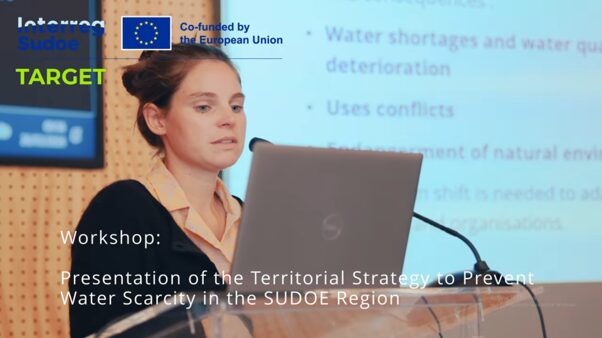
The second day brought theory into practice through an interactive workshop spotlighting partner strategies:
- Barreiro (Portugal): Presentation of municipal measures to prevent water scarcity and integrate non-conventional water sources.
- Granollers (Spain): Sharing practical experiences in expanding the urban reclaimed water network and implementing the Local Circular Water Program (PLAC).
- Dordogne Basin (France): Demonstrating the practical application of the TARGET strategy to prevent regional water shortages.
Technical Tour: Barreiro-Moita WWTP
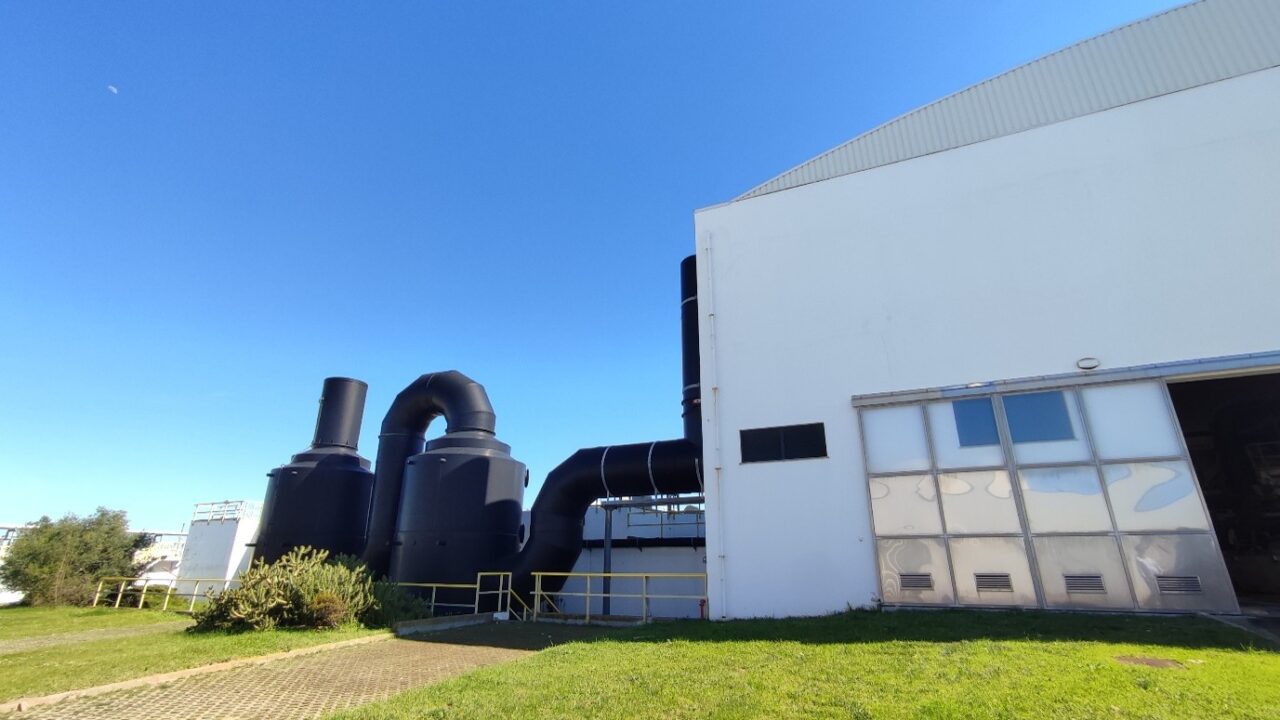
To cap off the meeting, partners participated in an informative technical tour of the Barreiro-Moita Wastewater Treatment Plant, guided by SIMARSUL, S.A.. The visit provided firsthand insights into the advanced treatment facilities and infrastructure powering water reclamation in the region.
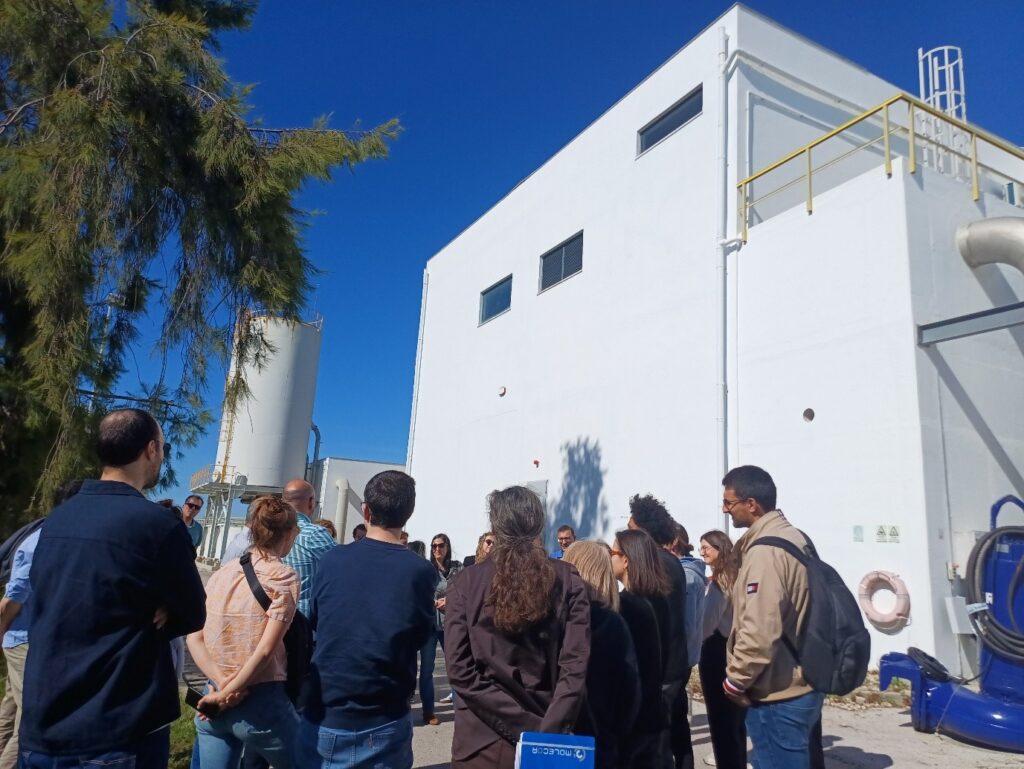
A heartfelt thank you to our organizers, Câmara Municipal do Barreiro and FCT NOVA, and to SIMARSUL, S.A. for hosting the facility tour.
Special session at REUSE EUROMED 2026, Madrid
The TARGET Interreg Sudoe team hosted a dedicated session at the Euro-Mediterranean Conference on Water Reuse (REUSE EUROMED 2026) in San Fernando de Henares, Madrid.
Titled “Water Reuse in the TARGET Strategy: Building Sustainable and Accepted Solutions Across the SUDOE Region,” the session bridged technical innovation, economic modeling, and social acceptability to present a holistic approach to drought resilience.
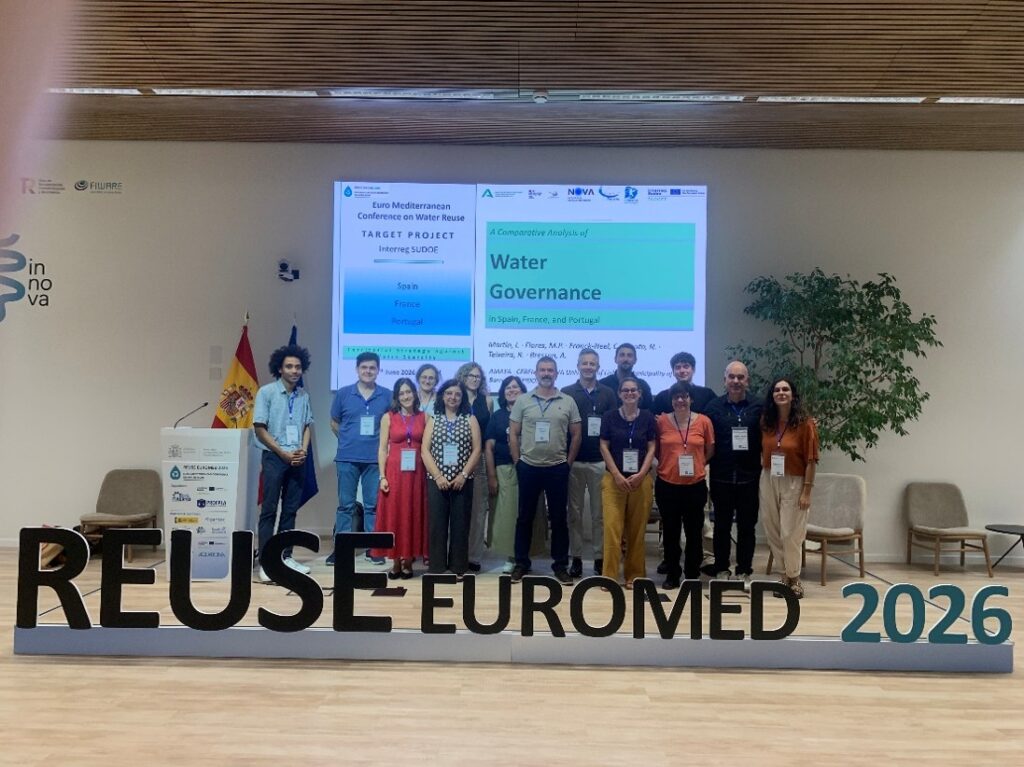
Session Highlights & Key Presenters
- Regional Strategy & Transnational Vision
Amélie Bresson (EPIDOR – EPTB Dordogne, Lead Partner) opened the session with an overview of the TARGET strategy, detailing demonstrative actions and cross-border initiatives implemented across Southern France, Spain, and Portugal.
- Local Impact & Ecological Restoration
Xavier Romero Hidalgo (Consorci Besòs Tordera) illustrated how reclaimed water directly supports drought mitigation and ecosystem recovery, focusing on concrete results in the Can Cabanyes natural area and the broader Besòs Basin.
- Social Acceptability & Risk Perception
Lucia Poggio Lagares (Universidad Complutense de Madrid – UCM) presented key findings from TARGET’s transnational analysis on public risk perception and the conditions required to build social acceptance for non-conventional water reuse.
- Economic Externalities & Project Valuation
Francisco J. André (Universidad Complutense de Madrid – UCM) delivered an economic breakdown, analyzing the positive externalities and financial valuation models of water reclamation projects.
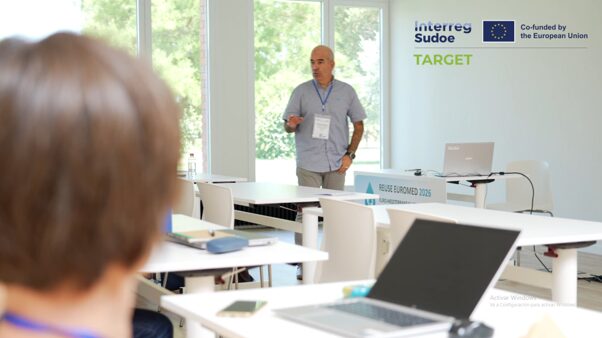
Results dissemination
Key Takeaways from REUSE EUROMED 2026 (Madrid, Spain)
The TARGET consortium was present at the Euro-Mediterranean Conference on Water Reuse (REUSE EUROMED 2026) held in Madrid from June 17–19, 2026, showcasing strategic insights across water governance and stakeholder participation.
- Comparative Water Governance Analysis: AMAYA, EPIDOR, CEREMA, NOVA, and the Municipality of Barreiro co-authored and presented “A comparative analysis of water governance in Spain, France, and Portugal”. The full manuscript was published in the congress proceedings, detailing governance structures, key challenges, and opportunities to address increasing regional water scarcity.
- French Stakeholder Engagement: ECOFILAE submitted and presented a communication proposal titled “Challenges of stakeholder participation in the development of regional wastewater reuse strategies: feedback on French initiative”.
- Intranet & Media Coverage: On June 20, 2026, AMAYA featured a dedicated news item on its internal portal covering TARGET’s active participation at the congress alongside sister project i-ReWater.
Environmental Psychology & Risk Communication at ICAP 2026
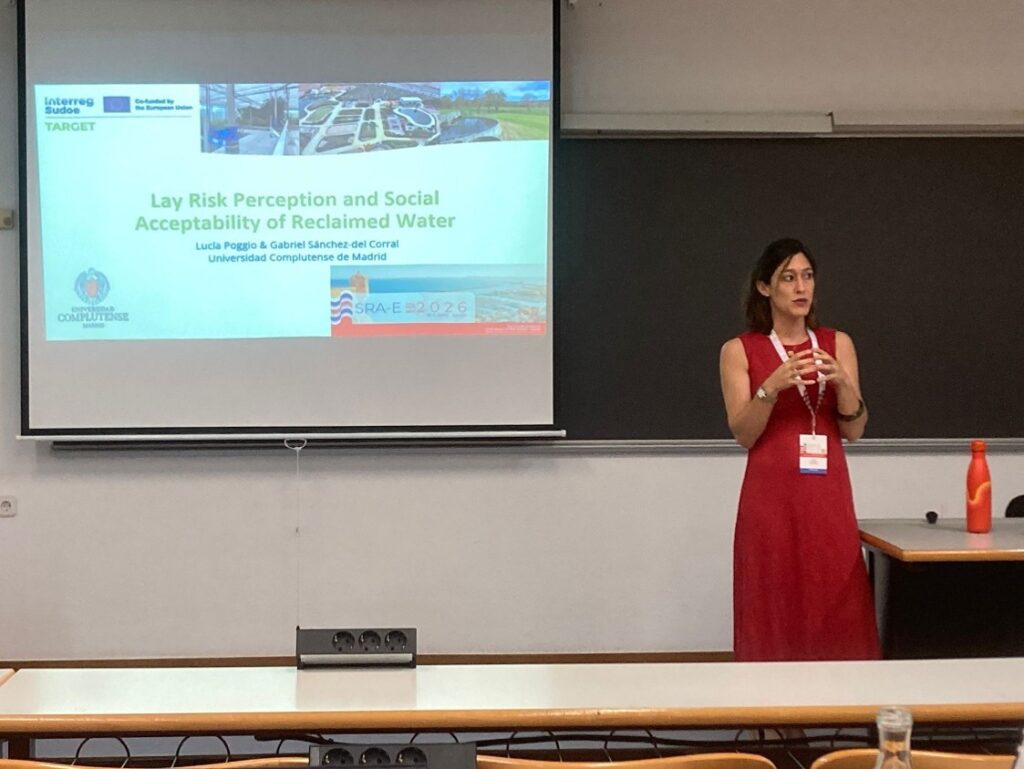
Researchers Lucia Poggio Lagares and Gabriel Sánchez del Corral from Universidad Complutense de Madrid (UCM) brought environmental psychology to the forefront of climate adaptation at ICAP 2026 in Florence, Italy.
While engineering and technical solutions for reclaimed wastewater reuse are already available, their presentation highlighted that the primary barriers to adoption are often non-technical, focusing instead on social acceptance, public perception, and effective risk communication.
Unveiling Cross-Border Risk Profiles at SRA-E 2026
Presenting under the conference theme “Advancing Risk Science for a Safer and Fairer Future,” Lucia Poggio Lagares shared TARGET’s latest empirical findings on risk perception and the social acceptability of reclaimed water across Portugal, Spain, and Southern France.
Key Takeaways from the Research:
- High Scarcity Awareness vs. Low Technical Knowledge: Across all three countries, initial technical knowledge about reclaimed water remains low, yet public awareness regarding the severity of regional water scarcity is exceptionally high.
- Social Drivers of Acceptance: Social acceptability is not driven by technical data, but rather by social norms (what people believe others think) and an individual’s environmental identity.
Translating Psychology into Policy:
- Shift the Narrative: Public communication campaigns do not need to “create” awareness about water scarcity in the SUDOE region, the public is already acutely aware. Instead, campaigns must link this recognized urgency to the rigor, safety, and reliability of water treatment processes.
- Cross-Border Transferability: Because risk profiles and psychological drivers are strikingly similar across France, Spain, and Portugal, communication frameworks can be effectively transferred across borders, leveraging cultural and emotional factors rather than relying solely on complex technical arguments.
Constructed Wetlands & Early Warning Systems
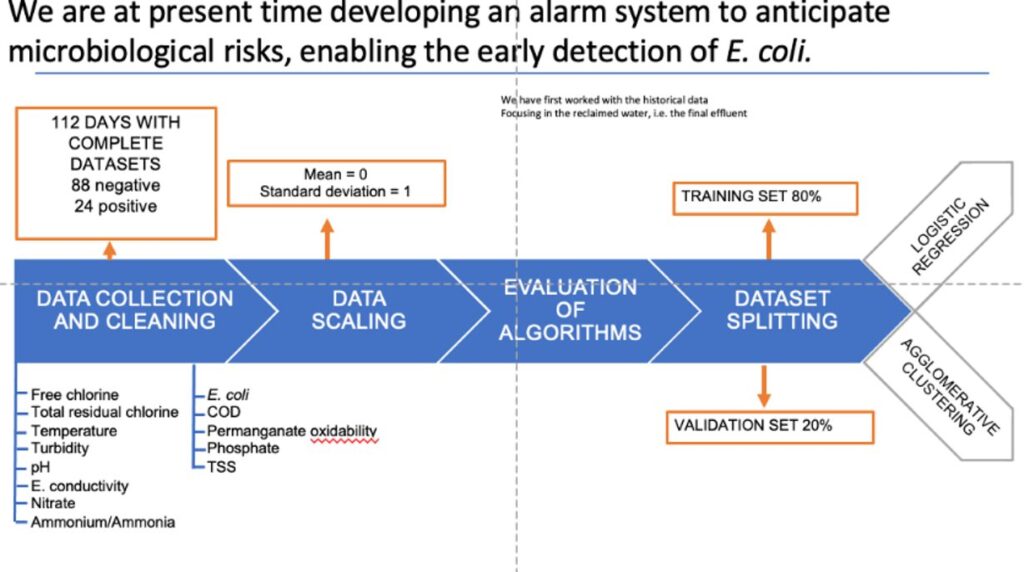
At the 12th International Workshop on Nutrient Cycling and Retention in Natural and Constructed Wetlands (Treboň, Czech Republic), UPC delivered a key lecture titled “Constructed Wetlands in the Future of Safe Water Reuse”.
On-Site Technical Visits & Administration Engagement
Throughout the reporting period, AMAYA hosted 239 visitors, primarily from academic institutions and public administration bodies, at the Experimental Centre for New Water Technologies (CENTA-AMAYA) to demonstrate pilot water reuse technologies.
- International Delegation: On March 3, 2026, AMAYA hosted a technical visit and strategic meeting with a joint delegation of Brazilian and Spanish administrative representatives.
Shaping Policy at the National Scale
On May 26, 2026, Prof. Nazaré Couto represented the TARGET project at the National Stakeholder Consultation for the Water4All Research and Innovation Strategy, organized by the University of Évora and the Fundação para a Ciência e a Tecnologia (FCT).
Participating in the high-level roundtable on Water, Circular Economy, and Sustainable Management, NOVA advocated for actionable science-to-policy pathways.
“We need to invest not only in producing knowledge but also in understanding how to implement it effectively. Bridging the gap between science, policy, and practice remains essential to addressing the complex water challenges ahead.”
Youth Outreach & STEM Dissemination
Bringing European research closer to future innovators, NOVA featured TARGET at EXPO FCT, connecting directly with high school students.
Joining forces with fellow European projects ISLANDR and RELiEF, the team delivered interactive demonstrations to show how scientific concepts transition into tangible real-world environmental solutions, sparking curiosity and inspiring the next generation of scientists and engineers.
Scientific Research & PhD Milestones
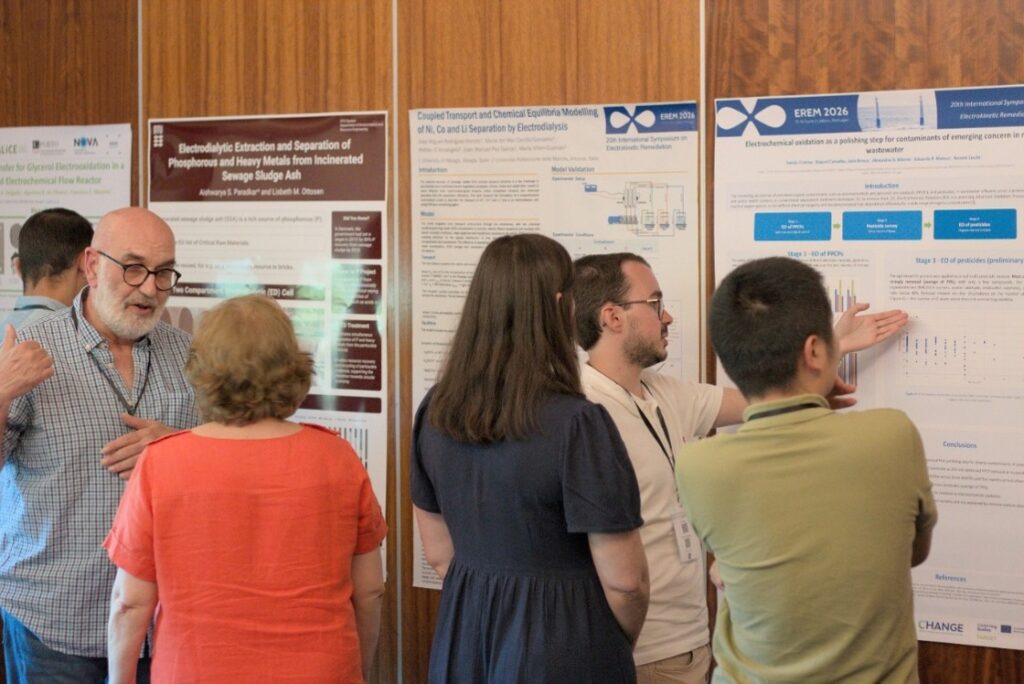
TARGET PhD candidate Tomás Cristina showcased cutting-edge wastewater treatment research at the 20th International Symposium on Electrokinetic Remediation (EREM 2026), held in Lisbon from June 17–19, 2026. He presented his work titled “Electrochemical oxidation as a polishing step for contaminants of emerging concern in real wastewater”, authored by T. Cristina, R. Carvalho, J. Brinco, A.B. Ribeiro, E. P. Mateus, and N. Couto, involving CENSE – Center for Environmental and Sustainability Research, NOVA School of Science and Technology (FCT NOVA), and with an advisory team composed by Prof. Nazaré Couto, Prof. Alexandra Ribeiro, and Prof. Eduardo Mateus
What’s next?
Save the Date: TARGET French Dissemination Seminar in Bordeaux!
Mark your calendars! The TARGET project is heading to Bordeaux the 3rd of November for a national seminar bringing together regional stakeholders, municipal representatives, researchers, and water management experts to showcase the concrete outcomes of the TARGET strategy.