
A new report by the European Environment Agency (EEA) highlights the vital role of extensive livestock farming systems in conserving European biodiversity and reducing the risk of forest fires.
The study concludes that around 10–15 per cent of the European Union’s cattle, sheep and goat population would be sufficient to ensure, through extensive grazing, the management and conservation of habitats of Community interest.
A legacy stretching back thousands of years
Traditional pastoral systems have shaped Europe’s landscapes and semi-natural habitats for thousands of years, performing ecological functions previously carried out by large wild herbivores, such as aurochs and bison. Currently, around one third of the habitats listed in Annex I of the Habitats Directive depend on extensive grazing for their maintenance.
The importance of extensive livestock farming takes on even greater significance in the context of the European Nature Restoration Regulation. According to the report, the restoration of these habitats will require the implementation of appropriate grazing regimes, tailored to the characteristics of each ecosystem, utilising both domestic animals and, where appropriate, wild herbivores.
Decline in extensive grazing threatens protected habitats and species
Furthermore, 63 types of semi-natural habitats listed in Annex I of the Habitats Directive are identified as depending on or benefiting significantly from extensive agricultural practices. These include permanent grasslands, heathlands, wetlands and other plant communities.
A large proportion of these habitats are located within the Natura 2000 network, where extensive grazing is one of the main management tools for maintaining habitat quality and species diversity.
This evidence reinforces the relevance of the PASTONATUR Interreg Sudoe project, which promotes extensive livestock farming as a tool for the conservation and enhancement of protected natural areas in south-western Europe. Through the development of common assessment methodologies, the implementation of pilot actions, the promotion of regenerative management practices and the creation of a transnational cooperation network, the project aims to strengthen existing scientific knowledge and demonstrate the benefits of this age-old activity for biodiversity conservation, adaptation to climate change and the socio-economic development of the territories.
The importance of these habitats is also reflected in the conservation of numerous species protected by European legislation. Between 2010 and 2020, the number of extensive farms fell by more than 70 per cent, due to economic pressures, the abandonment of marginal land and a lack of profitability. Consequently, two-thirds of semi-natural habitats dependent on agricultural management are in a fragile state of conservation.
The technical data in the report reveal the impact of the absence of grazing:
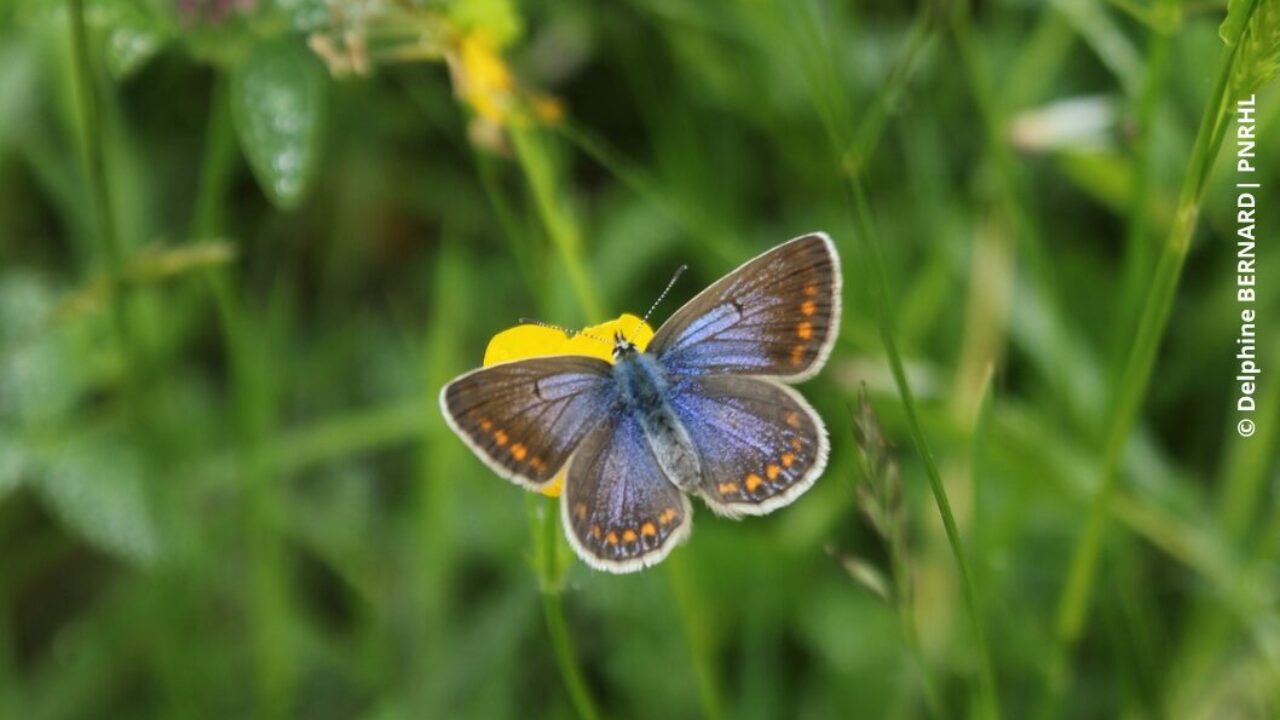
- 92 per cent of butterflies protected under Annex II of the Habitats Directive depend on extensively managed grasslands
- Meadow birds under legal protection and dependent on permanent grasslands account for a high proportion of the protected birds listed in Annex I of the Birds Directive
- 18.1 per cent of Europe’s endemic vascular plants are found in grassland ecosystems; 15.5 per cent in heathland and scrub habitats
Public policies and funding
To ensure the continuity of these benefits, the EEA advocates strengthening public policies in support of extensive livestock farming and greater investment in habitat monitoring, data collection on grazing areas and research into the economic viability of these production systems.
According to the report, ensuring the sustainability of extensive grazing will be crucial to meeting European nature conservation and restoration targets, by reconciling biodiversity protection, landscape management and fire prevention.
Access all the information on the European Environment Agency’s website: https://www.eea.europa.eu/en/analysis/publications/extensive-livestock-systems-and-europes-nature