Testing of pilot solutions for adaptation, prevention and mitigation
Periodo: 2021-2027
Estado: On going
Prioridad: 1 - Preserving Sudoe's natural capital and adapting to climate change
Objetivo: SO 2.4 (...) Climate Change Adaptation / Risk Prevention
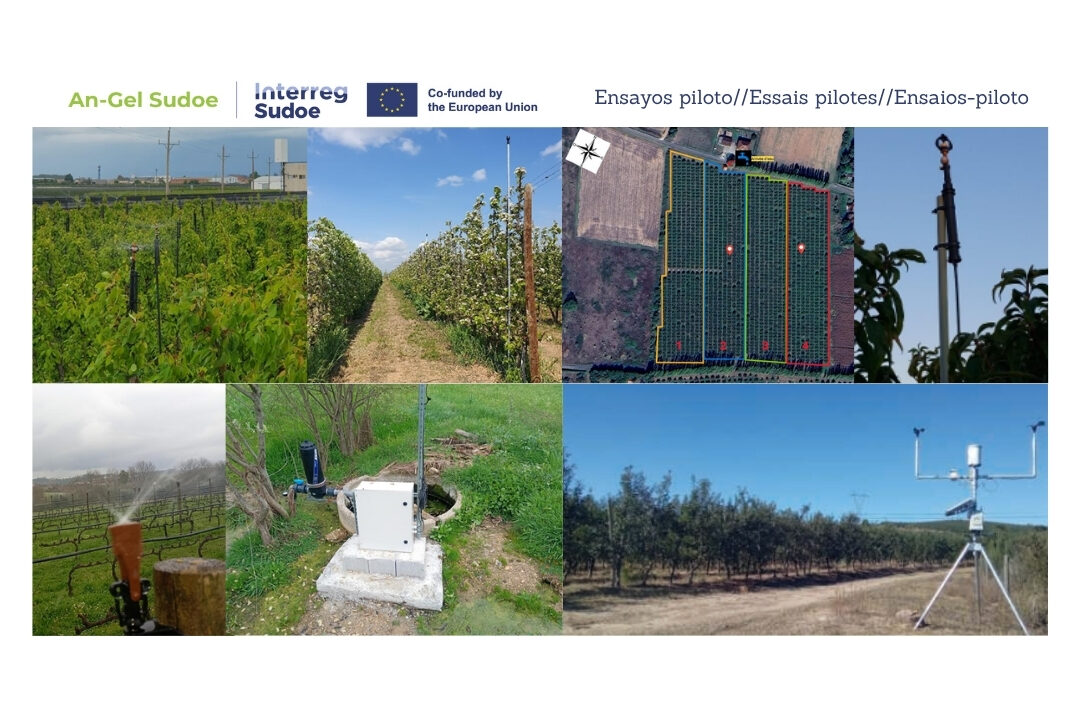
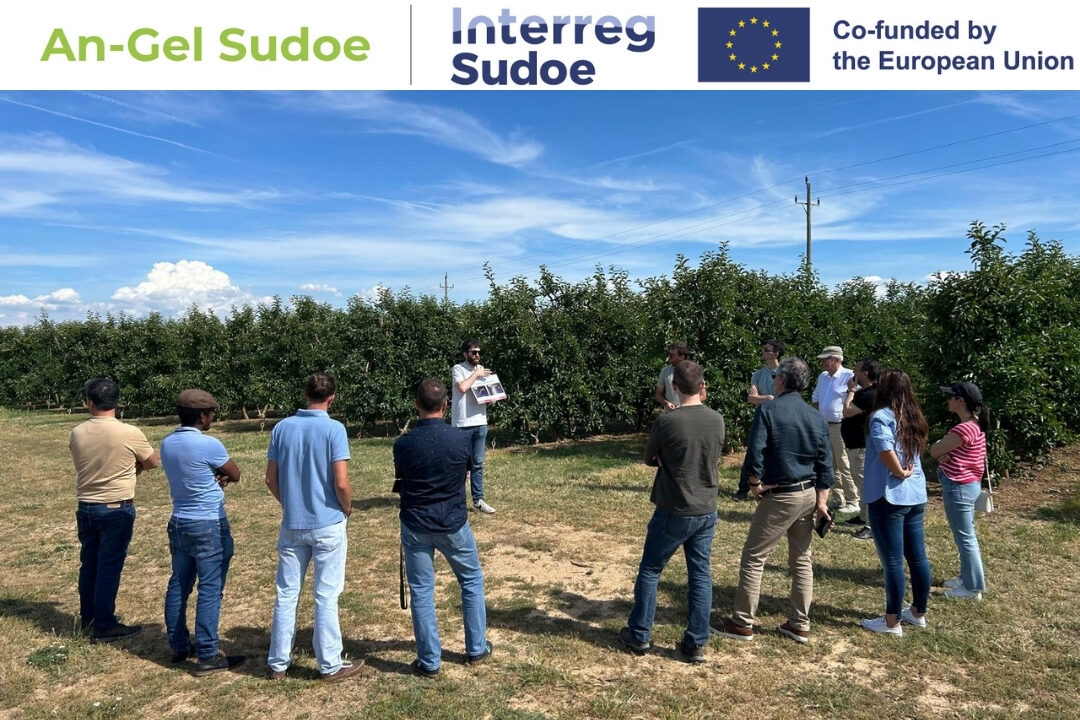
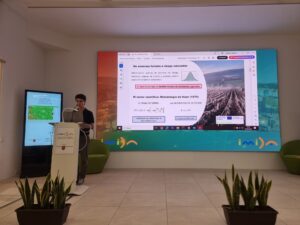
Under the An-Gel Sudoe project, 8 pilot areas have been selected: Lleida, Lot-et-Garonne, Bordeaux, Dordogne (x2), Rioja Alavesa, Murcia and Braganza. In each of these areas, work will be carried out in collaboration with a group of associated producers, either using farms under real production conditions or involving them in the technical follow-up of the tests. The prevention, adaptation and mitigation techniques to be tested will be (activities 2.1 and 2.2): — High precision foliar spraying (active solution). — Active ventilation (active solution). — Soil moisture management (semi-passive solution, linked to high-precision spraying, but strategically applied in a preventive and non-reactive manner). — Soil cover management — Hot hedges (passive solution). — Convective drainage of cold air — Late pruning of vines to delay the appearance of frost (solution intended to minimise the destructive effects of frost). The final solution will be the use of one of these techniques or a possible combination of several of them to adapt perfectly to the constraints of farmers in a given area. For example, a cold-breaker hedge can be used to limit the flow of cold air in the plot (passive solution), combined with controlling soil moisture by influencing the vegetation cover or by high-precision spraying (in the foliage) a few days before frost (semi-passive solution) or, if necessary, during intense frost episodes (active solution), if water resources are available. Therefore, it is considered a single solution, as it is conceived as a “toolbox” that allows combining different techniques to offer effective solutions according to the particular context of the different farms participating in the project as pilot centres.
Ver contenidoPeriodo: 2021-2027
Estado: On going
Prioridad: 1 - Preserving Sudoe's natural capital and adapting to climate change
Objetivo: SO 2.4 (...) Climate Change Adaptation / Risk Prevention
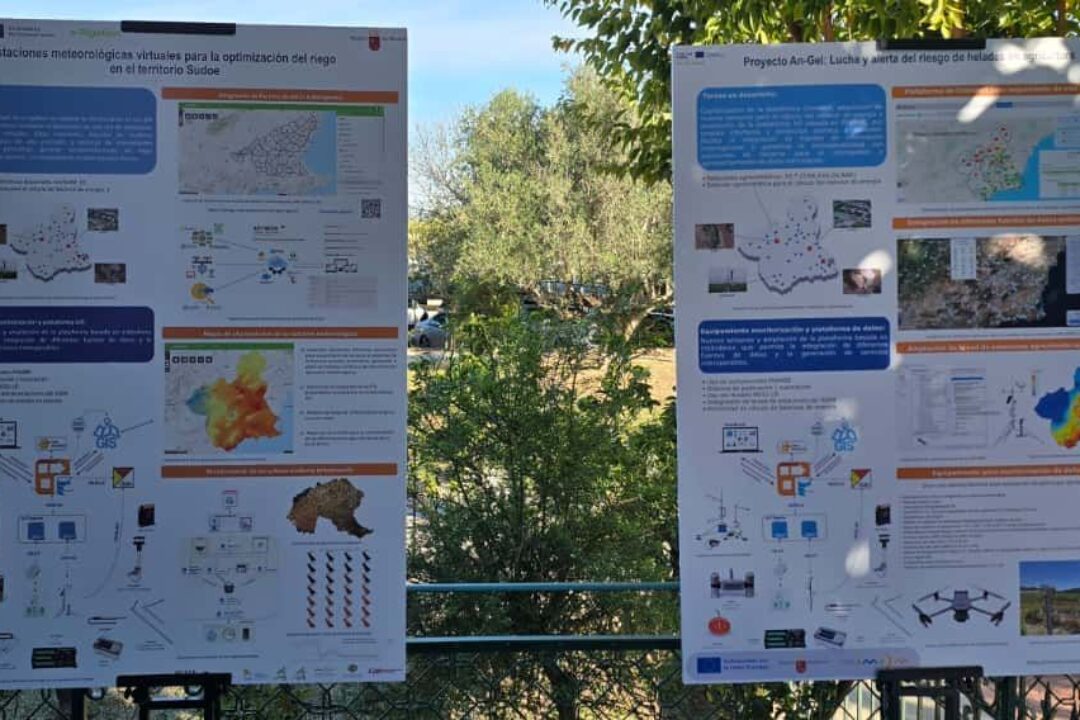
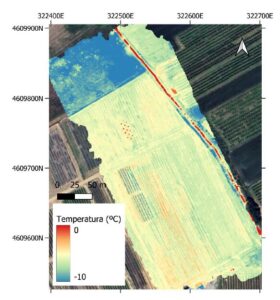
The early warning system will make it possible to anticipate spring frost situations so that active means can be prepared to complement passive and semi-passive solutions, which are of a continuous nature. The system will combine models weather forecast numbers (NPM) with high-precision soil temperature maps developed from local time series. This methodology allows to perform a downscaling process from local information to reach a very high level of accuracy (individual plot level or hyperlocal scale). The system will be highly oriented to provide an easy-to-interpret mobile version in the field, including a system dissemination module for sending alerts via email, SMS and mobile notifications. This system will be integrated as part of the ClimAlert platform, enriching its spectrum of information and attracting new users.
Ver contenidoAn-Gel Sudoe pilot trial – IRTA (Lleida)
Periodo: 2021-2027
Estado: On going
Prioridad: 1 - Preserving Sudoe's natural capital and adapting to climate change
Objetivo: SO 2.4 (...) Climate Change Adaptation / Risk Prevention
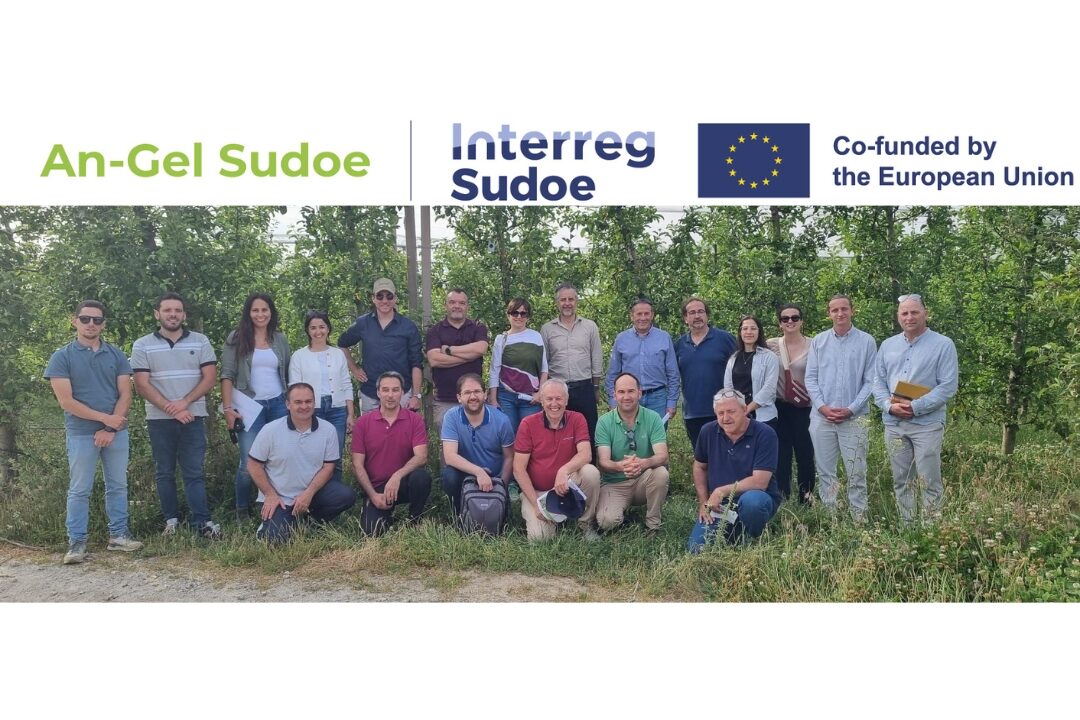
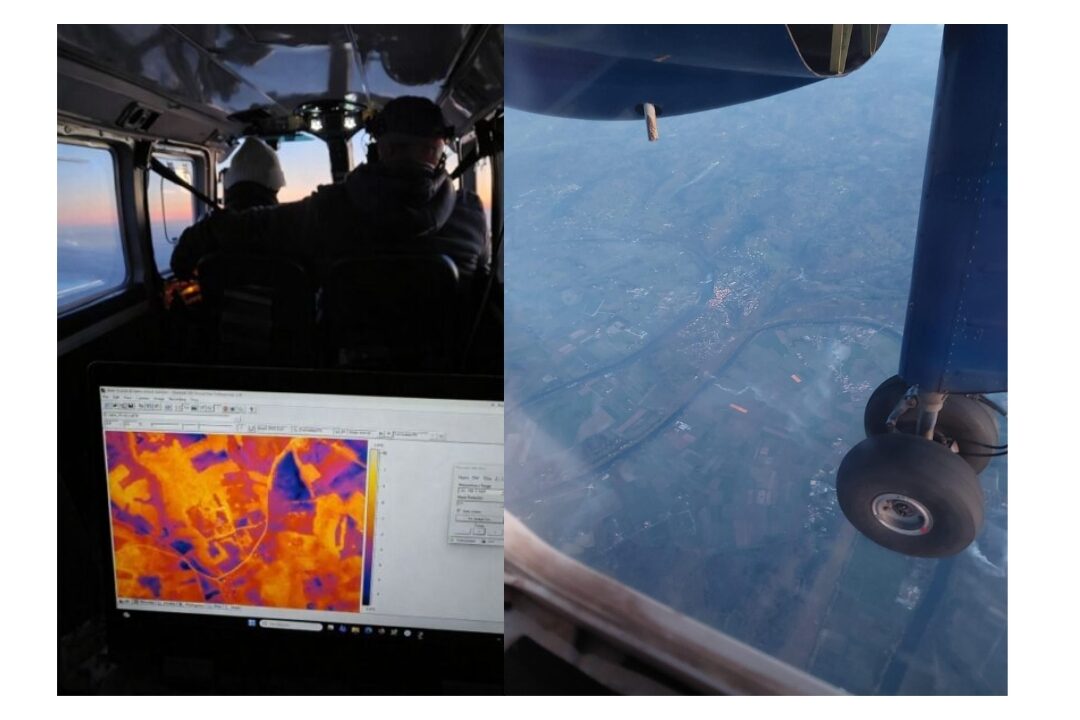
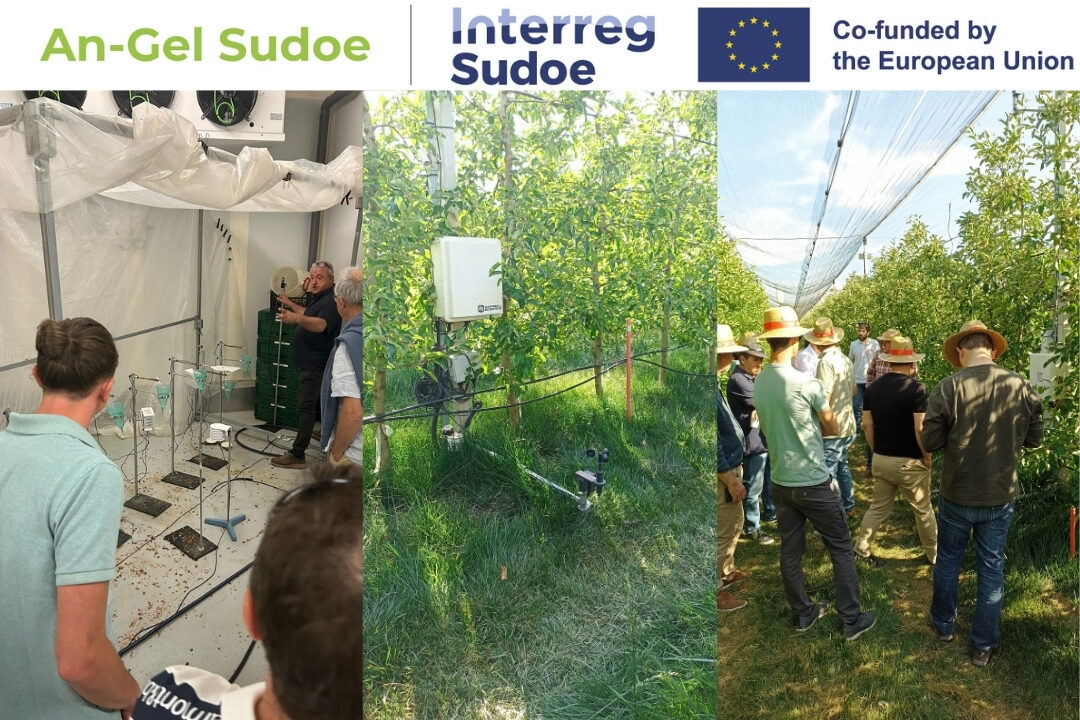
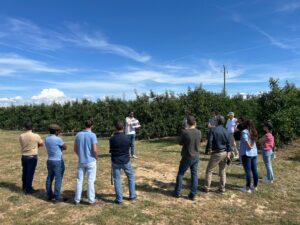
Pilot trial of the An-Gel Sudoe project aimed at assessing spring frost mitigation techniques in apple orchards and vineyards. The pilot analyses crop thermal behaviour and the soil–plant–atmosphere energy balance using advanced sensor technologies and thermal remote sensing, with the aim of generating applied knowledge to reduce the impact of frost events under real field conditions.
Ver contenidoAn-Gel Sudoe pilot trial – Pruning dates in vineyards (NEIKER)
Periodo: 2021-2027
Estado: On going
Prioridad: 1 - Preserving Sudoe's natural capital and adapting to climate change
Objetivo: SO 2.4 (...) Climate Change Adaptation / Risk Prevention
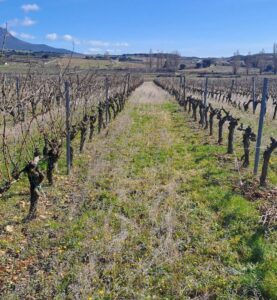
Pilot trial of the An-Gel Sudoe project focused on analysing the effect of different pruning dates in vineyards as a strategy to delay budburst and reduce vulnerability to spring frosts, assessing their impact on phenology, yield and grape quality under real field conditions.
Ver contenidoAn-Gel Sudoe pilot trial – IMIDA vineyard plot (Hacienda Nueva)
Periodo: 2021-2027
Estado: On going
Prioridad: 1 - Preserving Sudoe's natural capital and adapting to climate change
Objetivo: SO 2.4 (...) Climate Change Adaptation / Risk Prevention
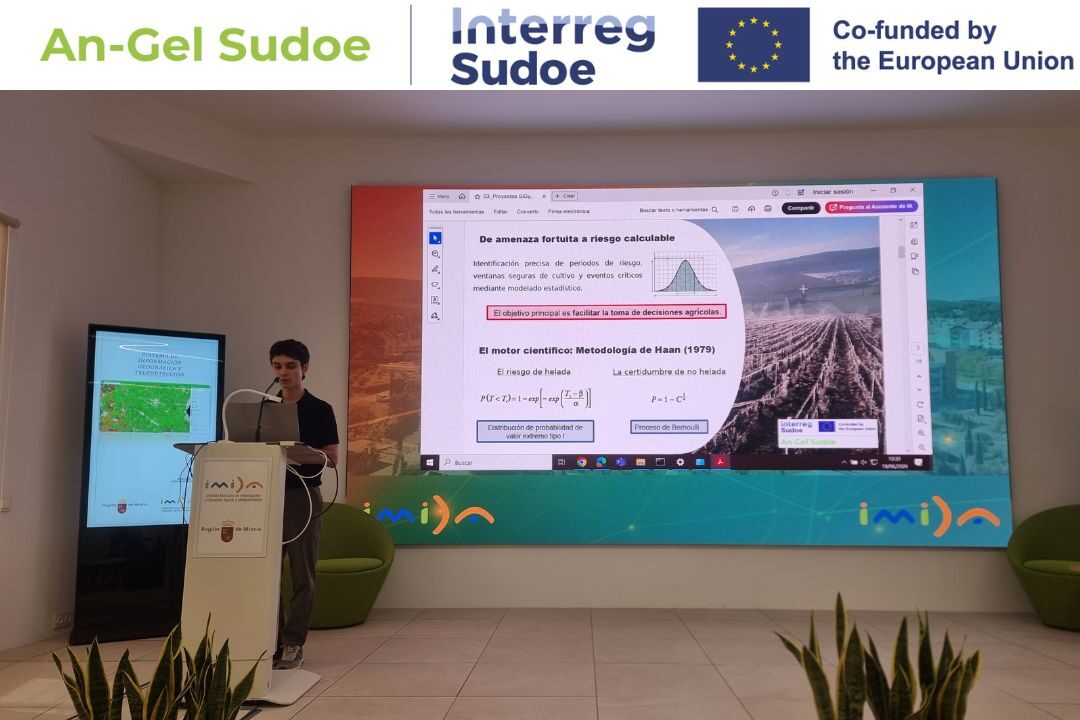
Pilot trial of the An-Gel Sudoe project carried out at the IMIDA experimental plot Hacienda Nueva, focused on continuous monitoring of the energy balance and vineyard behaviour in response to spring frost events, with the aim of assessing their impact on budburst, yield and grape quality under real field conditions.
Ver contenidoAn-Gel Sudoe pilot trial – CA24 vineyard (Bergeracois)
Periodo: 2021-2027
Estado: On going
Prioridad: 1 - Preserving Sudoe's natural capital and adapting to climate change
Objetivo: SO 2.4 (...) Climate Change Adaptation / Risk Prevention
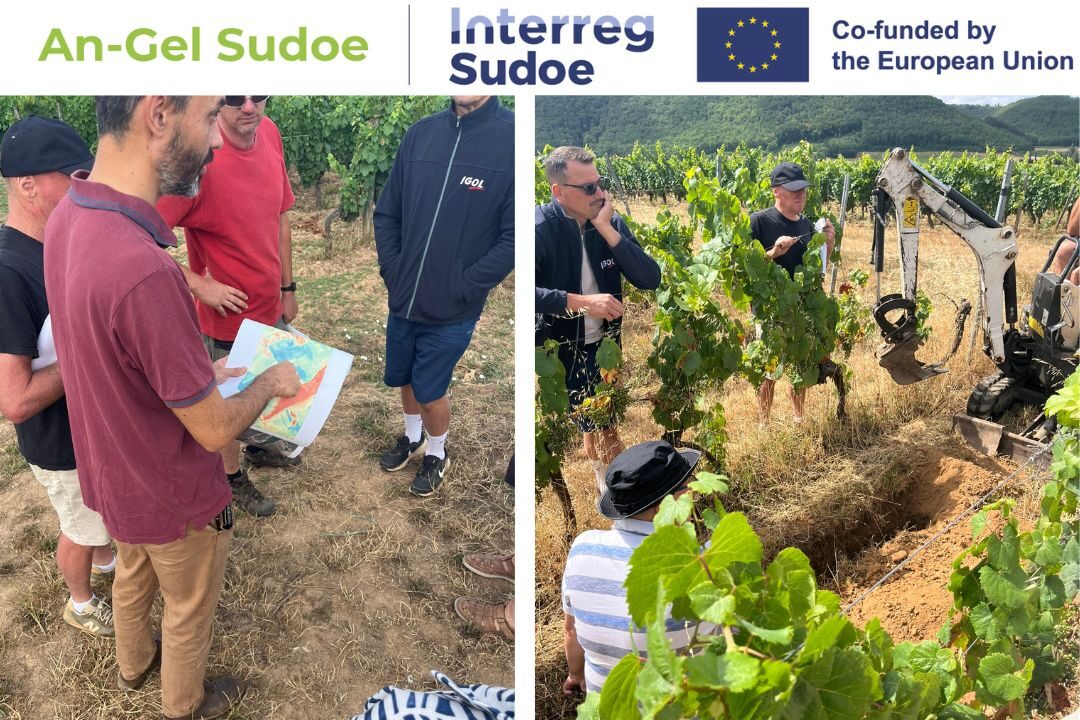
Pilot trial of the An-Gel Sudoe project carried out in vineyards of the Bergeracois, focused on the evaluation of active and passive frost mitigation techniques through the use of advanced agrometeorological instrumentation, thermal drones and lidar technology, with the aim of identifying effective mitigation strategies under real field conditions.
Ver contenidoAn-Gel Sudoe pilot trial – Invenio (chestnut orchard)
Periodo: 2021-2027
Estado: On going
Prioridad: 1 - Preserving Sudoe's natural capital and adapting to climate change
Objetivo: SO 2.4 (...) Climate Change Adaptation / Risk Prevention
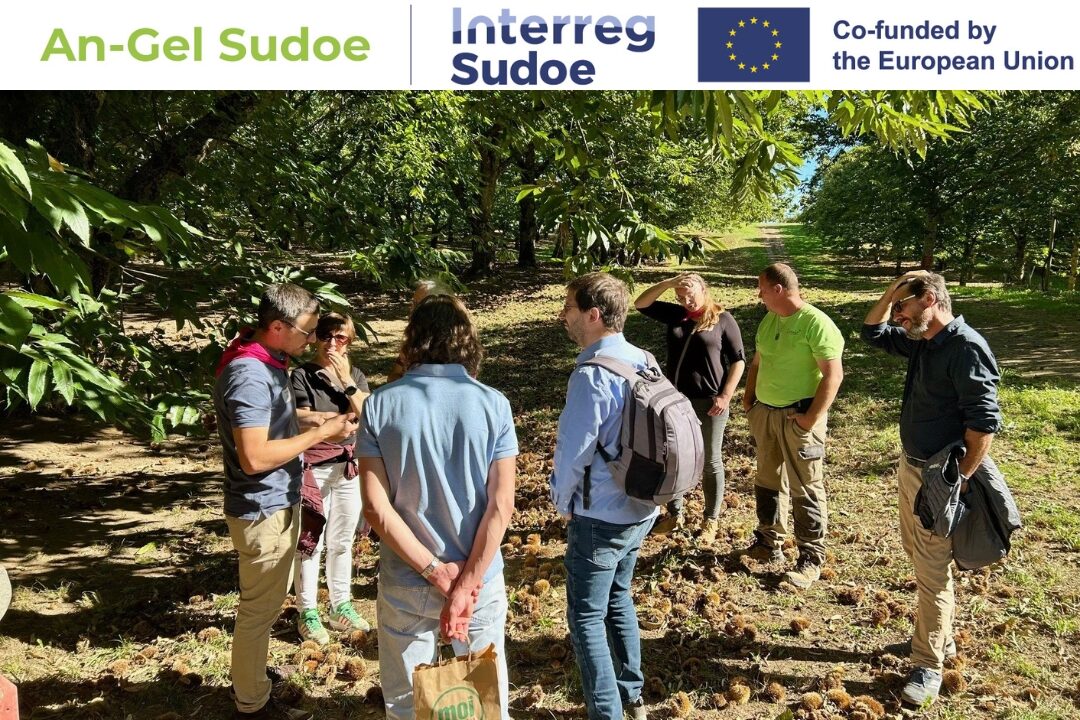
Pilot trial of the An-Gel Sudoe project carried out in a chestnut orchard managed by Invenio, aimed at analysing the influence of soil moisture and ground cover management on the intensity of spring frost events, through continuous climatic monitoring and thermal mapping with drones under real field conditions.
Ver contenidoAn-Gel Pilot Trial - High-Precision Spraying - CIM Viseu Dão Lafões
Periodo: 2021-2027
Estado: On going
Prioridad: 1 - Preserving Sudoe's natural capital and adapting to climate change
Objetivo: SO 2.4 (...) Climate Change Adaptation / Risk Prevention
This is a pilot project under the An-Gel programme that evaluates a high-precision microsprinkler system to protect vineyards against spring frosts in Viseu (Portugal). The solution consists of spraying water to maintain plant temperature and prevent damage, offering an efficient, sustainable, and low-energy alternative to reduce agricultural losses.
Ver contenidoAn-Gel pilot trial – Micro-sprinkler systems for frost protection – IRTA (Lleida)
Periodo: 2021-2027
Estado: On going
Prioridad: 1 - Preserving Sudoe's natural capital and adapting to climate change
Objetivo: SO 2.4 (...) Climate Change Adaptation / Risk Prevention
The pilot trial developed in Lleida (Mollerussa and Gimenells) evaluates micro-sprinkler systems for frost protection in fruit crops. Different technologies are compared under real field conditions to improve their design, management and efficiency. The actions include the installation of irrigation infrastructure, automation and monitoring systems, with the aim of reducing losses, optimizing water use and supporting the adaptation of the agricultural sector to climate change.
Ver contenidoAn‑Gel pilot trial – Strategies for frost mitigation in fruit crops – IPB (Bragança)
Periodo: 2021-2027
Estado: On going
Prioridad: 1 - Preserving Sudoe's natural capital and adapting to climate change
Objetivo: SO 2.4 (...) Climate Change Adaptation / Risk Prevention
The pilot trial carried out in Bragança evaluates innovative strategies to reduce frost damage in fruit crops, focusing on cover crops and biostimulants. Using sensors and drones, it aims to generate knowledge and promote sustainable solutions to improve agricultural resilience to climate change.
Ver contenidoAn‑Gel pilot trial – Soil management and frost in apricot orchards
Periodo: 2021-2027
Estado: On going
Prioridad: 1 - Preserving Sudoe's natural capital and adapting to climate change
Objetivo: SO 2.4 (...) Climate Change Adaptation / Risk Prevention
The pilot trial analyzes the effect of soil moisture on the intensity of frost in an apricot orchard, comparing two management strategies: wet soil through prior irrigation and dry soil without irrigation. A monitoring system is used to accurately assess the thermal behavior of the crop and identify effective practices to reduce frost damage.
Ver contenidoAn‑Gel pilot trial – Soil management strategies to reduce frost in apple orchards
Periodo: 2021-2027
Estado: On going
Prioridad: 1 - Preserving Sudoe's natural capital and adapting to climate change
Objetivo: SO 2.4 (...) Climate Change Adaptation / Risk Prevention
The pilot trial analyzes the effect of soil moisture and ground cover management on the intensity of spring frost in an apple orchard, comparing different management approaches. This setup makes it possible to assess both the individual influence of these factors and their interaction, supported by a monitoring system of climatic and soil conditions. The aim is to identify effective practices to reduce frost damage.
Ver contenidoAn‑Gel pilot trial – Soil and ground cover management to mitigate frost in cherry orchards – ACMG
Periodo: 2021-2027
Estado: On going
Prioridad: 1 - Preserving Sudoe's natural capital and adapting to climate change
Objetivo: SO 2.4 (...) Climate Change Adaptation / Risk Prevention
The pilot trial analyzes the effect of soil moisture and ground cover management on the intensity of spring frost in a cherry orchard, comparing different irrigation and soil management conditions. This approach makes it possible to assess how these factors influence the thermal behavior of the crop and to identify effective practices to reduce frost damage.
Ver contenidoAn‑Gel pilot trial – Soil moisture and frost in kiwi orchards – ACMG
Periodo: 2021-2027
Estado: On going
Prioridad: 1 - Preserving Sudoe's natural capital and adapting to climate change
Objetivo: SO 2.4 (...) Climate Change Adaptation / Risk Prevention
The pilot trial analyzes the effect of soil moisture on the intensity of spring frosts in a kiwi orchard, comparing conditions with and without prior irrigation. This approach makes it possible to assess the role of soil water in the thermal behavior of the crop and to identify effective practices to reduce frost damage.
Ver contenidoAn‑Gel pilot trial – Soil management strategies to reduce frost in plum orchards – ACMG
Periodo: 2021-2027
Estado: On going
Prioridad: 1 - Preserving Sudoe's natural capital and adapting to climate change
Objetivo: SO 2.4 (...) Climate Change Adaptation / Risk Prevention
The pilot trial analyzes the effect of soil moisture and ground cover management on the intensity of spring frosts in a plum orchard, comparing different management approaches that combine irrigation and vegetation practices. This experimental setup allows for the evaluation of both the individual influence of these factors and their interaction on crop thermal behavior, with the aim of identifying effective practices to reduce frost damage.
Ver contenido