Extensive livestock farming under discussion in Portugal: Green Book presents an opportunity for rural areas.
On 12 October, in Arcos de Valdevez, in the district of Viana do Castelo, Portugal, the event “Extensive Livestock Farming: The Challenges Facing the Region”, took place, at which “The Green Paper on Extensive Livestock Farming” was presented. The PASTONATUR project was represented by its partners ADPM and ACOS.
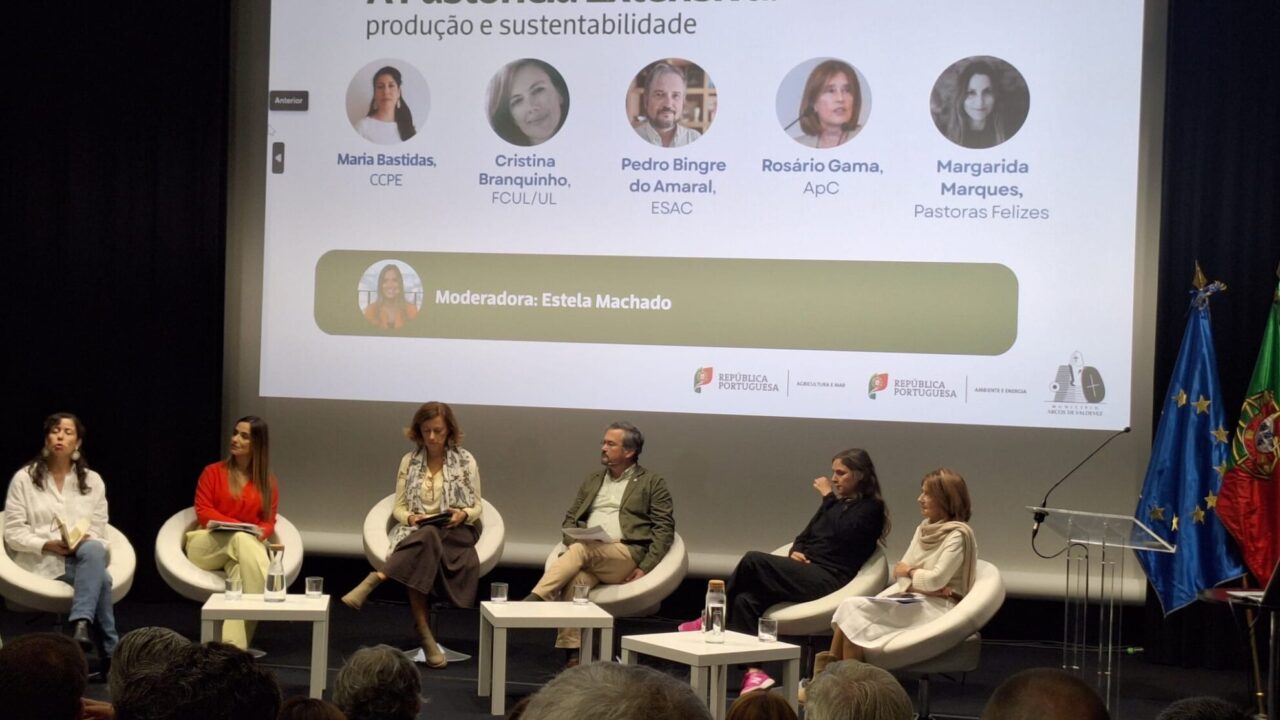
The event was organised by the Ministry of Agriculture and the Sea and the Ministry of the Environment and Energy, in partnership with the Municipality of Arcos de Valdevez. Discussions centred on the production and sustainability of extensive pastoralism, the management of agroforestry holdings and support measures for the sector.
Green Book for the Future of Extensive Livestock Farming
During the event, the Green Paper on Extensive Livestock Farming was presented. The publication was produced by the Ministry of Agriculture and the Sea in partnership with the Centre of Excellence for Extensive Grazing (CCPE). The document brings together scientific, technical and institutional knowledge on the sector and serves as a tool for reflection and support in the formulation of public policy.
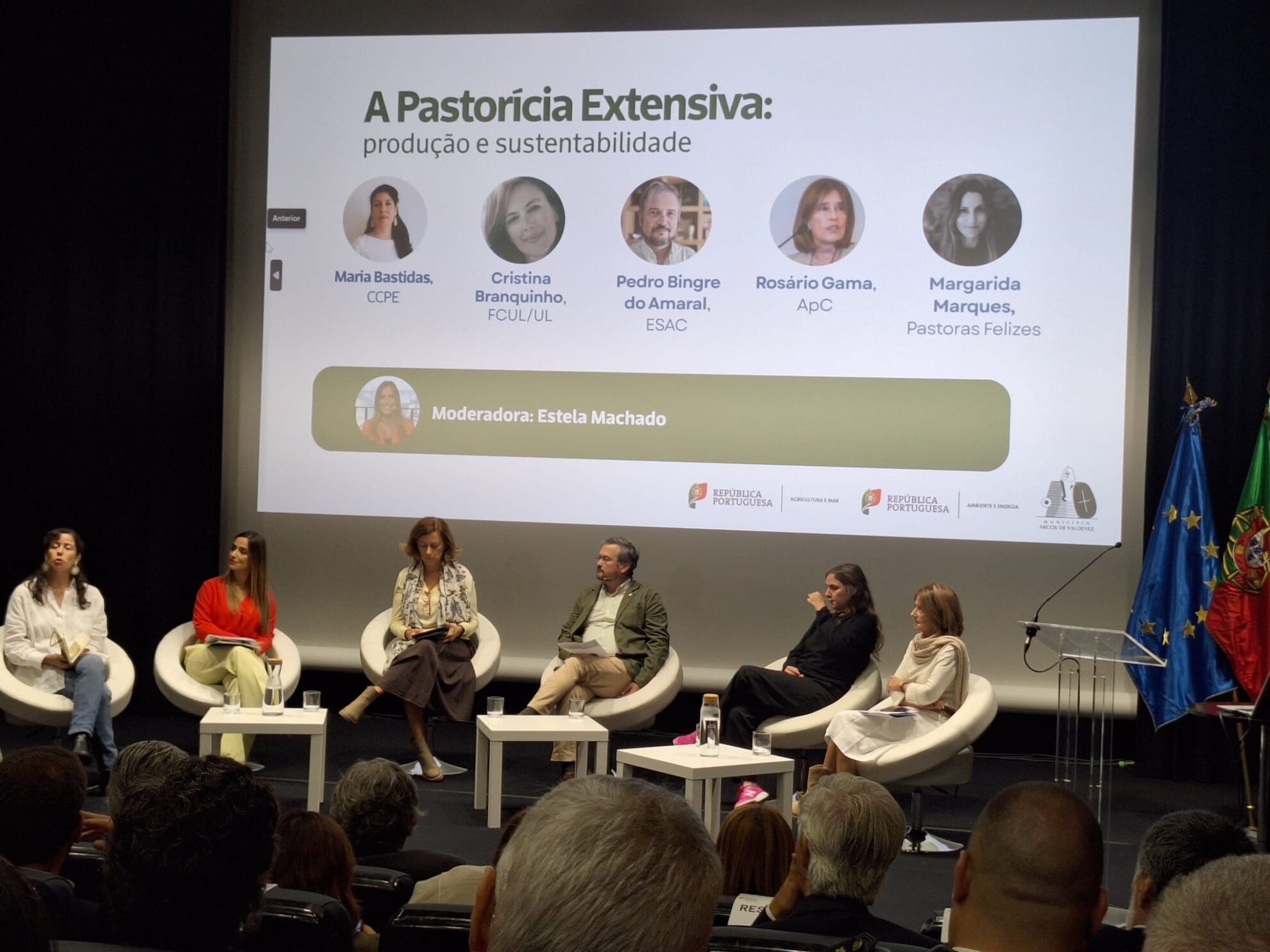
Maria Bastidas, from ADPM, took part in the round-table discussion moderated by journalist Estela Machado. She emphasised the importance of this strategic tool at a time marked by two factors: the International Year of Pastures and Herders 2026, proclaimed by the UN General Assembly, and the launch of a new cycle of European policies (the CAP, the European Strategy for Livestock Farming). According to ADPM, the Green Paper enables:
- the gathering and systematisation of scientific, technical and institutional knowledge on the sector;
- support for policy-making;
- a shift in public perception and a halt to the sector’s decline;
- the opening up of the debate to farmers, environmental associations, experts and civil society.
Value for producers, value for the region
The Green Paper highlights the difficulties facing the sector and the decline in activity. This decline also affects a range of services provided by pastoral regions that are not remunerated by the market.
The key message is a call to action: to maintain and restore livestock farming in the region and its relationship with the landscape, in order to reduce the vulnerability of these systems. To achieve this, work must be carried out on two fronts:
- at the policy level, to compensate for services not paid for by the market;
- in the market, through the differentiation and quality of distinctive and unique products.
The aim is for extensive livestock farming to be seen not merely as a productive activity, but as a strategic investment in the future of the region, biodiversity, food security and sustainable development.
Field visit: the ‘cachenas’ of Peneda-Gerês
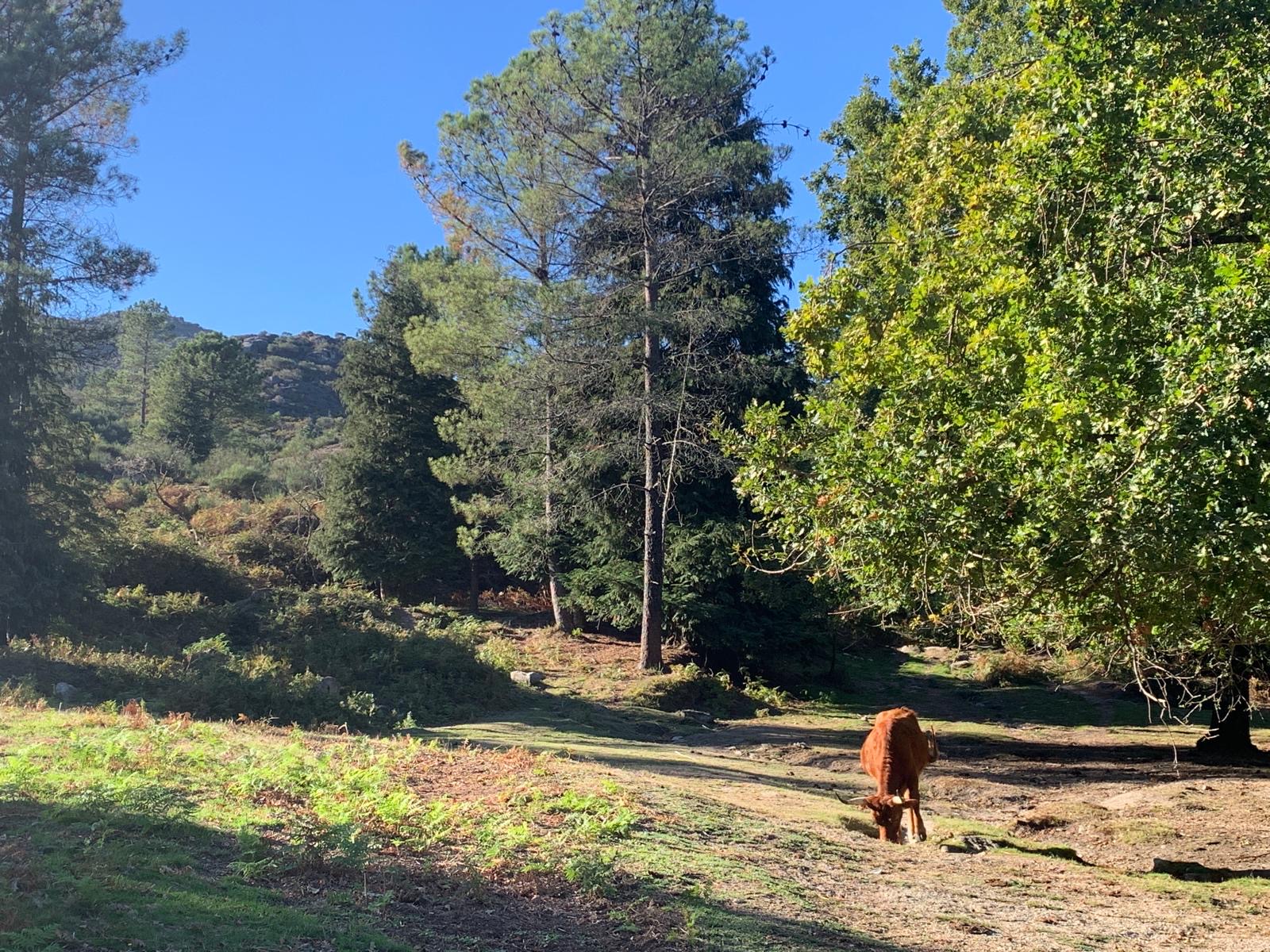
During the afternoon of that day, participants visited a farm rearing ‘cachenas’, a native and very traditional breed found in the Peneda-Gerês National Park. It was a concrete example of the richness and diversity of extensive livestock farming in Portugal.
Extensive livestock farming is not a relic of the past: it is part of the solution for the climate transition, for the conservation of biodiversity and for the sustainable development of regions.
📗 See the Green Boo kfor the Future of Extensive Livestock Farming: PDF | Ebook